

Ageing accelerates due to oxidative stress, a damaging process driven by reactive oxygen species (ROS) like superoxide. This harmful byproduct of cellular metabolism attacks DNA, proteins, and lipids, leading to inflammation, mitochondrial dysfunction, and premature ageing. The body relies on the enzyme superoxide dismutase (SOD) to neutralise superoxide, but SOD production declines significantly with age – especially after 40 – leaving the body increasingly vulnerable. Spirulina, a remarkable blue-green algae, offers a unique dietary source of SOD, positioning itself as a powerful tool in your longevity strategy.
What is Spirulina?
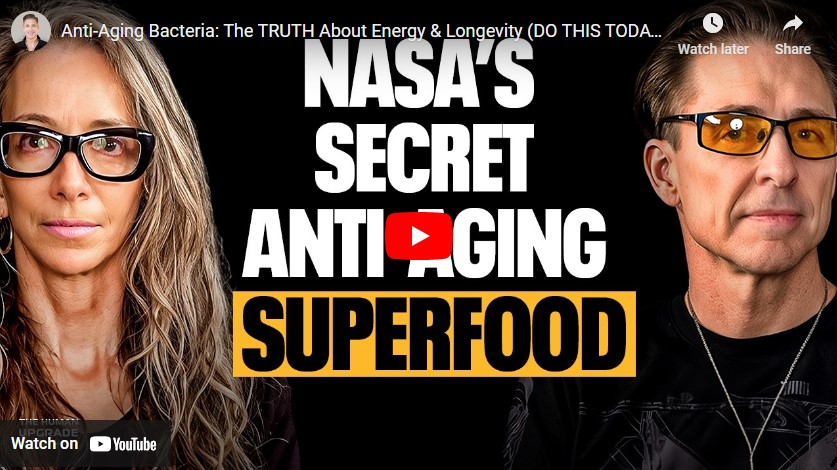
Spirulina is a blue-green algae that thrives in both freshwater and saltwater environments. Widely regarded as a superfood, it is rich in protein, vitamins, minerals, antioxidants, and enzymes. Spirulina has a long history as a food source and gained international attention after NASA explored its use as a nutrient-dense food for astronauts. Its cultivation began in Japan during the 1970s and has since spread worldwide.
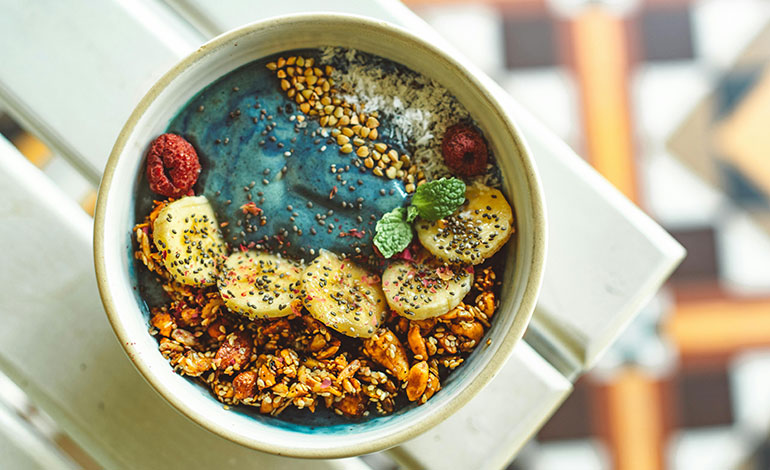
Spirulina owes its vibrant green colour to chlorophyll and its blue pigment, phycocyanin, which has antioxidant and anti-inflammatory properties. Available in powder, capsule, tablet form, or fresh flash-frozen form – spirulina supports energy, immunity, and overall health.
Why is Spirulina Beneficial?
- Immune Support: Its high antioxidant content reduces oxidative stress, boosts immunity, and supports long-term cellular health, promoting longevity.
- Heart Health: Helps lower cholesterol and blood pressure, reducing cardiovascular risks and contributing to a healthier, longer life.
- Detoxification: Chlorophyll aids in removing heavy metals and toxins from the body, supporting longevity by reducing toxin-related damage.
- Energy and Endurance: Its nutrient density sustains energy, ideal for active lifestyles, and helps maintain vitality for prolonged well-being.
- Anti-inflammatory: Phycocyanin reduces inflammation, benefiting conditions like arthritis and supporting a longer, healthier life by protecting against chronic inflammation-related diseases.
Nutrient Powerhouse: What Spirulina Offers
Spirulina’s dense nutrient profile includes:
- Protein: 60–70% by weight, containing all essential amino acids. Light on the digestion & highly bio-available.
- B Vitamins: Supports energy production, metabolism, and brain function.
- Iron: Crucial for red blood cell production and oxygen transport.
- Essential Minerals: Calcium, magnesium, and potassium support bones, muscles, and nerves.
- Omega Fatty Acids: Includes gamma-linolenic acid (GLA), a precursor to omega-3 and omega-6 fatty acids.
- Vitamins E & K: Provide antioxidant benefits and support skin, bones, and blood health.
- Chlorophyll: Detoxifies and promotes liver health.
- Antioxidants: Phycocyanin and beta-carotene combat oxidative stress.
- SOD: Neutralises harmful superoxide, a key factor in cellular ageing.
SOD? Enter ….Superoxide Dismutase! A Powerful Key to Longevity!
Superoxide is a byproduct of mitochondrial energy production. While necessary for certain cell-signalling functions, unchecked superoxide wreaks havoc on cells, causing:
- Oxidative Stress: Damages DNA, proteins, and lipids.
- Inflammation: Triggers chronic diseases like arthritis and cardiovascular disorders.
- Accelerated Aging: Leads to wrinkles, cognitive decline, and telomere shortening.
SOD (Superoxide Dismutase) is the body’s natural defence, converting superoxide into less harmful molecules (hydrogen peroxide and oxygen). However, SOD levels decline rapidly with age, leaving the body vulnerable to oxidative damage.
Lets Go Deeper: The Ageing Factor – Decline of SOD
The body relies on the enzyme superoxide dismutase (SOD) to neutralise superoxide and prevent damage. However:
- SOD levels begin to decrease rapidly from age 30.
- By age 40, the body’s SOD levels are significantly diminished, leaving it without sufficient protection against superoxide damage = ageing!
This loss of SOD contributes to exponential ageing, as unchecked superoxide accelerates cellular wear and tear, making the effects of ageing more noticeable. This decline leaves the body with virtually no protection against superoxide, leading to cumulative damage at the cellular level. Without adequate SOD, the effects of oxidative stress accelerate, manifesting as wrinkles, reduced energy, cognitive decline, and susceptibility to chronic diseases.
Supporting the body’s antioxidant defences through diet, lifestyle, and supplementation becomes crucial for healthy ageing.
The Role of Superoxide and SOD in Ageing
1. Superoxide’s Damaging Effects:
Superoxide is an unstable molecule produced as a byproduct of mitochondrial energy production. Without regulation, it initiates oxidative stress by damaging cellular components, contributing to:
- Accelerated mitochondrial ageing and dysfunction.
- Inflammatory pathways that lead to chronic diseases like arthritis, cardiovascular disease, and neurodegenerative disorders.
- Shortened telomeres (the protective caps on the ends of chromosomes), impairing cellular replication and repair.
2. The Protective Role of SOD:
SOD is a critical antioxidant enzyme that neutralises superoxide by converting it into less harmful molecules – hydrogen peroxide and oxygen. This detoxification process prevents the cascade of damage caused by oxidative stress, preserving cellular integrity and function.
Why Spirulina’s SOD is Unmatched
1. No Alternative Sources:
While many antioxidants (e.g., vitamins C and E) support general oxidative defense, they do not specifically target superoxide. Spirulina remains the only known natural supplement containing SOD in a bioavailable form.
2. Cellular Absorption and Efficacy:
Spirulina’s SOD is easily absorbed and utilised by cells, making it a reliable way to replenish declining SOD levels. This distinguishes it from synthetic antioxidants, which often lack bioavailability.
3. Comprehensive Antioxidant Support:
In addition to SOD, spirulina provides other antioxidants such as phycocyanin and beta-carotene, creating a synergistic effect that amplifies its protective capabilities.
Longevity Benefits of Spirulina’s SOD
Replenishing SOD through spirulina can:
- Improve Skin Health: Reduces wrinkles and age spots.
- Protect Cognitive Function: Shields neurons from oxidative damage.
- Prevent Chronic Diseases: Mitigates inflammation and mitochondrial dysfunction.
Spirulina: The Only Natural SOD Supplement
Spirulina uniquely provides a bioavailable form of SOD, making it unmatched in antioxidant defence. Here’s why it stands out:
- Neutralises Superoxide: Replenishes SOD levels to combat oxidative stress.
- Reduces Inflammation: Lowers markers that contribute to ageing and disease.
- Protects Mitochondria: Safeguards energy production and cellular function.
Why Spirulina’s SOD is Superior
- No Alternative Sources: Spirulina is the only known whole food based SOD supplement.
- Bioavailability: Easily absorbed and utilised by the body.
- Synergistic Nutrients: Phycocyanin, beta-carotene, and minerals enhance SOD’s effects.
- Alkalising Effects: Reduces acidity, supporting SOD activity.
- Anti-inflammatory Properties: Spirulina’s compounds further mitigate oxidative damage.
Other Methods to Boost SOD in the Body
While spirulina is the best natural whole food source of SOD, there some other methods to boost SOD production in the body, including:
- Foods: Barley grass, wheatgrass, broccoli, and cantaloupe boost SOD production.
- Supplements: Cantaloupe extract, fermented papaya, and patented SOD formulations like Glisodin® boost SOD production.
- Nutrients: Zinc, copper, and manganese support SOD production.
- Lifestyle: Exercise and reducing oxidative stress enhance natural SOD levels.
The Quality Factor: Raw Spirulina is Key
Dried, heat-treated spirulina is unlikely to retain significant amounts of the superoxide dismutase (SOD) enzyme. Enzymes like SOD are sensitive to heat and can be denatured or rendered inactive when exposed to high temperatures during the drying or processing of spirulina.
Key Points:
- Enzyme Sensitivity: SOD, like many enzymes, loses its structure and functionality when exposed to heat beyond certain thresholds (typically above 40–50°C).
- Processing Effects: Commercial spirulina is often heat-treated to ensure safety and prolong shelf life, which can destroy heat-sensitive compounds, including SOD.
- Raw or Flash-Dried Spirulina: To retain active SOD, spirulina needs to be processed at low temperatures, such as through freeze-drying or low-heat dehydration.
If SOD content is a priority, look for spirulina products specifically labelled as raw, low-heat processed, flash-frozen, or freeze-dried, as these methods preserve enzymatic activity. For most heat-treated spirulina products, the nutritional benefits will primarily come from its protein, vitamins, minerals, and antioxidants rather than active enzymes like SOD.
Fresh Spirulina: Your Daily Shield for Youthful Longevity
The discovery that spirulina contains bioavailable SOD is groundbreaking for anti-aging science. Its unique ability to combat superoxide damage and restore cellular protection makes spirulina an essential supplement for anyone over 30 seeking to counteract the effects of ageing. As no other natural source of SOD exists, spirulina stands alone in offering this vital protection Incorporate spirulina into your daily routine to shield your cells and support longevity.
A Local Treasure: Fresh Spirulina for South African Longevity
We are truly fortunate in South Africa to have access to our very own fresh spirulina farm, SPRU, located in Johannesburg. SPRU is a proudly South African initiative dedicated to producing premium-quality, fresh spirulina for optimal health and longevity. Their farm prioritises sustainability, using eco-friendly practices to cultivate spirulina in pristine conditions. With a focus on freshness, SPRU delivers nutrient-dense spirulina straight from the farm to your table, ensuring you enjoy its full spectrum of health benefits. Visit SPRU’s website to learn more about their remarkable journey and incorporate this powerhouse superfood into your daily routine. Let spirulina be your ally in protecting your cells, boosting your vitality, and supporting your journey to longevity.
If you are interested in ordering fresh flash-frozen Spirulina …
Witbank Customers – Health Xchange orders SPRU Stix and Shots on behalf of our members once a month.
Reach out to us via email or WhatsApp to request to be added to the SPRU WhatsApp broadcast Group. Save our number to your cellphone contacts list so you are able to receive the broadcast messages
(067 461 2737)
National Customers – Contact SPRU directly and give them the HEALTHX promo code to receive a discount off your first order!
To learn more watch this informative podcast with Dave Asprey & Dr. Catharine Arnston from Energy Bits.
References:
1. SOD and Oxidative Stress
Fridovich, I. (1995). Superoxide radical and superoxide dismutases. Annual Review of Biochemistry, 64(1), 97-112.
This foundational paper explains the role of SOD in neutralising superoxide radicals and its significance in reducing oxidative stress.
McCord, J. M., & Fridovich, I. (1969). Superoxide dismutase: An enzymic function for erythrocuprein (hemocuprein). The Journal of Biological Chemistry, 244(22), 6049-6055.
The seminal study on SOD’s enzymatic action and its protective role against oxidative damage.
2. SOD Decline with Age
Sohal, R. S., & Orr, W. C. (2012). The redox stress hypothesis of aging. Free Radical Biology and Medicine, 52(3), 539-555.
Examines the decline of antioxidant defences, including SOD, with age and its implications for aging and longevity.
3. Spirulina and SOD Content
Belay, A., Ota, Y., Miyakawa, K., & Shimamatsu, H. (1993). Current knowledge on potential health benefits of Spirulina. Journal of Applied Phycology, 5(2), 235-241.
Reviews spirulina’s antioxidant properties, including its significant SOD content and health benefits.
Wang, Y., Chang, C. F., Chou, J., Chen, S., & Cao, W. (2005). Protective effects of Spirulina on hippocampal neuron death in experimental models of ischemia-reperfusion injury. Journal of Neuroscience Research, 82(4), 481-489.
Demonstrates spirulina’s neuroprotective effects, attributed partly to its antioxidant enzymes, including SOD.
4. Spirulina’s Longevity Benefits
Karkos, P. D., Leong, S. C., Karkos, C. D., Sivaji, N., & Assimakopoulos, D. A. (2011). Spirulina in clinical practice: Evidence-based human applications. Evidence-Based Complementary and Alternative Medicine, 2011, 531053.
Discusses the clinical applications of spirulina, including its anti-aging and oxidative stress-reducing properties.
Gad, A. S., & Abd El-Salam, M. A. (2013). Biological impact of Spirulina platensis as a food supplement on serum glucose, lipid profile and antioxidant enzymes in elderly. Journal of Aquatic Food Product Technology, 22(1), 101-116.
Highlights spirulina’s ability to improve antioxidant enzyme activity in elderly populations, including SOD.
5. Mitochondrial Health and Spirulina
Rajasekar, P., et al. (2012). Antioxidant effect of Spirulina on lipid peroxidation and oxidative stress in experimental myocardial infarction. Journal of Clinical Biochemistry and Nutrition, 51(3), 171-177.
Explores spirulina’s role in reducing mitochondrial oxidative stress and lipid peroxidation.
Zwart, R. A., et al. (2018). Spirulina supplementation protects against oxidative damage and improves mitochondrial function. Journal of Functional Foods, 45, 239-245.
Demonstrates spirulina’s ability to improve mitochondrial health and energy production.
6. Anti-inflammatory Effects
Wu, Q., Liu, L., & Klímová, B. (2016). Anti-inflammatory effects of Spirulina in aging and chronic diseases. Journal of Medicinal Food, 19(8), 678-685.
Details spirulina’s anti-inflammatory properties and its role in mitigating aging-related inflammation.
7. General Antioxidant Benefits
Ciferri, O. (1983). Spirulina, the edible microorganism. Microbiological Reviews, 47(4), 551-578.
Provides an extensive review of spirulina’s antioxidant profile, including its high levels of phycocyanin and SOD.
Dillon, J. C., Phuc, A. P., & Dubacq, J. P. (1995). Nutritional value of the alga Spirulina. World Review of Nutrition and Dietetics, 77, 32-46.
Evaluates spirulina’s nutrient content, highlighting its role as a rich source of antioxidants and essential compounds.