
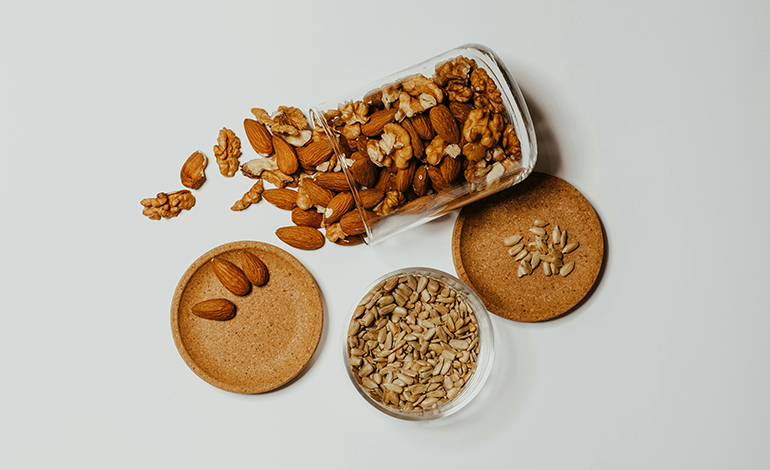

Nuts and seeds are amazing powerhouses of wholesome nutrition, packed with healthy fats, clean plant protein, and essential minerals. Because they are structurally designed by nature to nourish a plant embryo until it takes root, they contain a dense, complex blueprint of vital micronutrients. When fully bioavailable, these minerals play fundamental, structural, and enzymatic roles across your daily wellness routine.
However, nuts and seeds have built-in defenses called “antinutrients,” such as phytic acid and enzyme inhibitors. These compounds keep the seed dormant until it encounters perfect growing conditions. When we eat them raw and untreated, these antinutrients actively bind to vital minerals in our gut (like iron, zinc, and magnesium), making them highly difficult to absorb and often leading to that heavy, uncomfortable, bloated feeling after snacking.
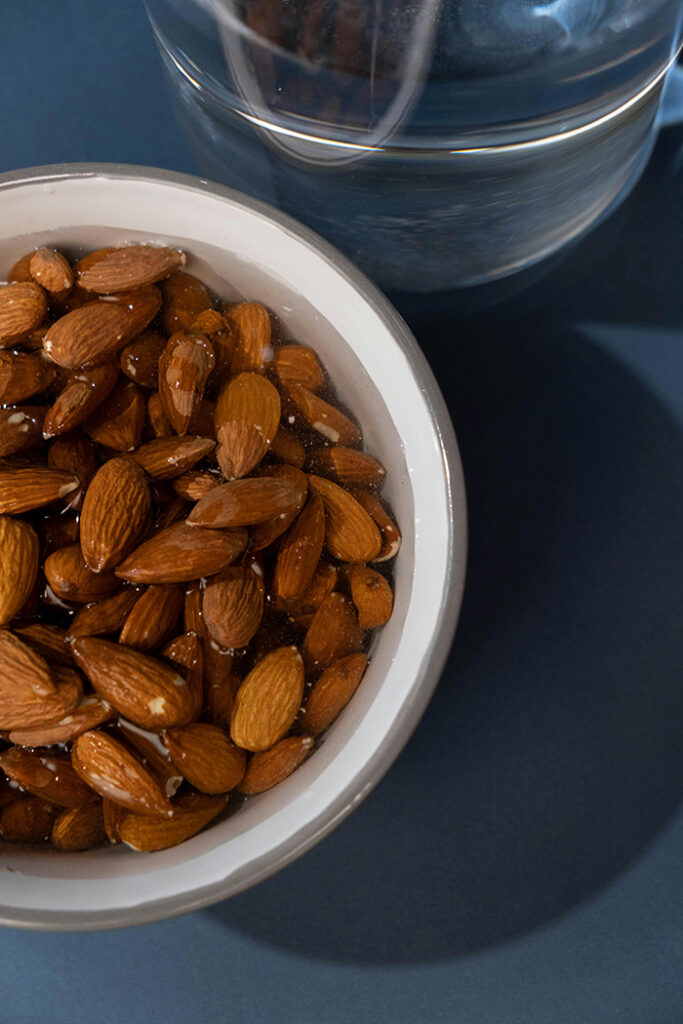
“Activation” is the simple, traditional process of mimicking nature. By soaking them in warm, salted water, we trick the nut or seed into thinking it is ready to sprout. This natural process deactivates phytic acid, breaks down enzyme inhibitors, and unlocks the full nutritional potential of the food – making it beautifully bioavailable and much gentler on the digestive system.
The Key Seed Minerals & Why They Matter
While we often focus on counting macros like proteins and fats, it is the microscopic mineral blueprints within our food that actually run the engine of our health. Minerals are the spark plugs of human biochemistry; without them, your body cannot construct bones, balance hormones, or produce cellular energy. When your daily routine lacks these vital elements, your system quietly begins to suffer, showing up as common, frustrating signs of depletion. If you have been struggling with premature greying or hair loss, your body may be signaling a deep zinc and trace mineral deficit. Constant anxiety, irritability, and late-night insomnia are classic cries for cellular magnesium, while muscle cramps or bone loss point directly to a lack of bioavailable calcium. Even issues like infertility and stubborn joint pain are frequently linked to hidden manganese deficiencies. True wellness means looking past the surface symptoms and purposely giving your body the bioavailable blocks it needs to thrive.
1. Manganese (The “Lodestone” Catalyst)
- The Science: Manganese is a crucial trace mineral that serves as a key cofactor for numerous enzymes, including superoxide dismutase (an essential antioxidant that protects delicate cellular structures from oxidative stress). It plays a foundational role in amino acid, lipid, and carbohydrate metabolism, as well as bone matrix formation.
- Top Sources: Pecan nuts, flaxseeds, pumpkin seeds, and buckwheat groats.
2. Magnesium (The Energy & Relaxation Mineral)
- The Science: Magnesium is required for more than 300 biochemical reactions in the human body. It is critical for the cellular synthesis of ATP (energy production), muscle relaxation, nerve conduction, blood pressure regulation, and maintaining a calm, positive mindset.
- Top Sources: Pumpkin seeds, sunflower seeds, almonds, and chia seeds.
3. Zinc (The Immune & Structural Protector)
- The Science: Zinc is vital for cellular metabolism, immune system response, DNA synthesis, protein production, and skin integrity. It also plays an overlooked role in your digestive wellbeing, as the stomach requires zinc to synthesize optimal levels of gastric hydrochloric acid (stomach acid).
- Top Sources: Pumpkin seeds, sesame seeds, sunflower seeds, and walnuts.
4. Calcium (The Foundation of Cellular Signaling)
- The Science: Beyond its well-known role in maintaining structural bone density, calcium acts as a critical signaling messenger throughout the cardiovascular and nervous systems, ensuring smooth muscle contraction and precise cellular communication.
- Top Sources: Sesame seeds (unhulled sesame is one of the highest plant sources on earth), chia seeds, and flaxseeds.
The Connection to Dr. Carey Reams
This deep emphasis on mineral density traces back to the groundbreaking work of Dr. Carey Reams, a prominent 20th-century agricultural biochemist and mathematician. Dr. Reams pioneered the Biological Theory of Ionization (RBTI), a unique framework centered on analyzing the specific mineral frequency and electrical conductivity of living systems – including soil, plants, and human body chemistry.
Working extensively in foundational nutrition and regenerative agriculture, Dr. Reams famously stated that “All disease begins with a mineral deficiency.” He championed the concept of “High-Brix” wholefoods, using a refractometer to measure the exact carbohydrate and mineral density of plants to ensure they were truly nourishing.
In his nutritional teachings, Dr. Reams highlighted specific nuts and seeds as ultimate mineral powerhouses:
- He famously referred to pecan nuts and flaxseeds as a “manganese bomb” because of their exceptionally high manganese density.
- He viewed manganese as the foundational “element of life” and the critical “lodestone element” required for optimal seed production and cellular health.
The Activation Link
Dr. Reams’ foundational principles regarding optimal mineral uptake perfectly align with why we activate nuts and seeds. Raw seeds are anionic, locking up their massive mineral reserves to stay dormant. By soaking them, we alter their chemical state, neutralize the binding inhibitors, and unlock the exact minerals Dr. Reams championed, ensuring they are perfectly absorbed by your gut rather than causing heavy digestive strain.
Master Method: Standard Nuts & Seeds
This method applies to: Almonds, Brazil nuts, Cashews, Hazelnuts, Pecans, Pine nuts, Pistachios, Walnuts, Pumpkin seeds, Sunflower seeds, and Sesame seeds.
Benefits: Activation and dehydration remove the bitter raw taste, leaving them wonderfully crisp, easy to digest, and bioavailable.
Soak:
Add whole nuts or seeds to a large glass or ceramic bowl. Cover completely in pure filtered water. Add fine-quality sea salt to the water bath. Make sure the water level is generous (about double the volume of the nuts) because they will absorb a large amount of liquid. Use the specific breakdown below for your pantry basics:
- Almonds: 1 tsp salt | Soak for 12–14 hours | Dehydrator: 18–24 hours | Oven: 6–10 hours
- Brazil Nuts: 1 tsp salt | Soak for 7–12 hours | Dehydrator: 12–24 hours | Oven: 4–8 hours
- Cashews: 1 tsp salt | Soak for 3–6 hours | Dehydrator: 12–15 hours | Oven: 3–5 hours
- Hazelnuts: 1 tsp salt | Soak for 7–12 hours | Dehydrator: 12–15 hours | Oven: 4–6 hours
- Pecans & Walnuts: 1/2 tsp salt | Soak for 5–8 hours | Dehydrator: 12–24 hours | Oven: 4–8 hours
- Pine Nuts & Pistachios: 1 tsp salt | Soak for 5–10 hours | Dehydrator: 12–24 hours | Oven: 4–6 hours
- Pumpkin & Sunflower Seeds: 1 tsp salt | Soak for 6–8 hours | Dehydrator: 12–18 hours | Oven: 4–6 hours
- Sesame Seeds: 1/2 tsp salt | Soak for 6–8 hours | Dehydrator: 12 hours | Oven: 3–5 hours
Rinse:
Pour the nuts into a colander, drain off the soaking water completely, and rinse thoroughly under clean purified running water to wash away all released antinutrients.
Drying Method A) Dehydrator Method (Preferable)
Spread the rinsed whole nuts/seeds in a single layer on your dehydrator trays. Dry at 38°C for the targeted time until they are completely dry and snap easily when broken.
Drying Method B) Oven Method (Alternative)
Spread them in a single layer on a large baking sheet. Set your oven to its lowest possible temperature setting (ideally around 50°C). If your oven runs hot, prop the door open slightly with a wooden spoon to let steam escape. Bake for the corrected, shorter oven time listed above, turning occasionally, until thoroughly dry and crisp all the way through.
How to enjoy:
Enjoy a handful as a crunchy snack, chop and toss them into your favourite green salads, or look for the word “Activated” on the label at your local wholefoods shop if you are short on time!
What About Macadamia Nuts?
While activation is a fantastic practice for dense, high-phytate varieties like almonds and walnuts, macadamias are a unique exception in the nut kingdom. Here is why you can safely skip the long soaking process for macadamias and enjoy them straight out of the packet:
- Naturally Minimal Antinutrients: Macadamia nuts show significantly low baseline levels of phytic acid and enzyme inhibitors – containing the least amount of almost all tree nuts. Because they lack a dense, bitter outer seed coat, they do not need heavy antinutrient defenses.
- Excellent Mineral Bioavailability: With virtually no phytic acid to block your digestion, your body can seamlessly access and absorb their minerals (like magnesium, calcium, and zinc) without needing a salt bath first. They will not cause the digestive bloating associated with other untreated nuts.
- High Risk of Damage to Delicate Fats: Macadamias have the highest monounsaturated fat content of any commercial nut (packed with heart-healthy oleic and omega-7 acids). Subjecting their soft, oily structure to a long 12-hour soak waterlogs the kernel, destroys their creamy texture, and causes the fats to oxidize and turn rancid during drying.
The Only Exception – The Quick Culinary Soaking:
If you are using raw macadamias as a pantry basic to blend into a smooth muesli cream, dairy-free cheese, or homemade nut milk, you can submerge them for 1 to 2 hours purely to soften the flesh for a high-power blender. Otherwise, enjoy them raw and whole!
Pseudo-Grains: Buckwheat Groats
Buckwheat is a nutrient-dense, gluten-free “pseudo-grain” – meaning it is actually a triangular fruit seed from a broadleaf plant related to rhubarb, rather than a true cereal grass grain. It is exceptionally high in the trace mineral manganese, and once activated and dehydrated, these little seeds become light and crunchy, making them the perfect wholesome topping to add a rustic texture to your breakfast bowls, muesli blends, homemade chocolates or even in stews & soups.
Benefits:
An excellent gluten-free source of B vitamins, magnesium, manganese, and plant protein that supports steady energy levels.
Instructions:
- The Soak: Soak raw buckwheat groats in warm water with a splash of apple cider vinegar or lemon juice for 6 hours. (Note: Buckwheat creates a viscous, slimy water while soaking—this is completely normal!).
- The Rinse: Pour into a fine-mesh sieve and rinse vigorously under cold water, massaging the groats until the water runs completely clear and the gelatinous coating is washed away.
- A) Dehydrator Method: Spread thinly on solid dehydrator sheets or mesh lined with baking paper. Dry at 45°C for 8–12 hours until completely crunchy.
- B) Oven Method: Spread evenly onto a baking sheet lined with baking paper. Dry at your oven’s lowest setting (50°C–65°C) for 4-6 hours, stirring every few hours to ensure even drying.
How to enjoy:
Mix with activated nuts and cinnamon to create a crispy, low-carb buckwheat muesli blend; toast gently after activating to use as a crunchy topping for stews; or mix into homemade melted raw cacao chocolate to make a superfood gravel! Alternatively, look for “Activated Buckwheat” or “Buckwheat Buckinis” on the label.
The Science of Drying: Dehydrator vs. Oven Method
How you dry your activated items determines whether they remain a living raw food or become a highly digestible baked food:
The Raw Threshold (Dehydrating Below 38°C)
When you dry activated nuts and seeds in a professional dehydrator set below 38°C to 40°C, they are still considered biologically raw. At this gentle temperature, delicate live enzymes, heat-sensitive vitamins (like Vitamin B and E), and healthy essential fats remain completely intact and undamaged. This preserves the absolute maximum nutritional value and vital life force of the seed.
The Baked Difference (The Oven Method)
Because home ovens generally run much warmer (50°C to 65°C) and have hot spots, using them means your nuts and seeds are technically baked or toasted, not truly dehydrated. This higher heat denatures the delicate live digestive enzymes and diminishes heat-sensitive vitamins.
However, it is still a massive success! The primary goal of activation is fully achieved: the phytic acid and enzyme inhibitors are completely neutralized by the initial soak. Your core minerals (zinc, magnesium, iron), macronutrients, and beneficial fibers remain entirely intact and highly bioavailable. While no longer “raw,” they are infinitely easier to digest than standard raw nuts.
The Takeaway:
If you want ultimate, enzyme-rich raw food, use a dehydrator below 38°C. If you only have an oven, do it anyway! You still unlock the minerals and remove all digestive distress, which is a massive win for your daily routine.
The Mucilaginous Seeds: Chia & Flax (Linseed)
Important Note: Chia and flax seeds cannot be dried out again using an oven or dehydrator once wet because they form a thick, gelatinous gel when they contact water. They do not follow the standard activation and drying process.
Benefits:
Good sources of plant-based omega-3 fatty acids (ALA), soluble fibre, and calcium for digestive wellbeing.
Instructions:
- Activation: Because we cannot dry them, these seeds are activated “on the go” directly in the liquid you intend to consume.
- Ratio: Mix 1 tablespoon of chia or flax seeds with approximately 4 tablespoons of water, milk alternative, or smoothie liquid. Let it sit for 15–20 minutes until it forms a thick, hydrated gel.
How to enjoy:
Stir into your morning porridge or breakfast bowls, or make a classic chia seed pudding with coconut milk and vanilla.
What about Hemp Seeds?
No activation needed! Hemp seeds do not contain phytic acid or the tough enzyme inhibitors found in other seeds. Their delicate hearts are easily digested straight out of the packet, so you can skip the soaking entirely.
💡 Wholesome Living Pro-Tip: Say No to Pre-Ground Meals
When managing your pantry basics, it is best to avoid buying pre-ground nut and seed meals (like almond flour or flaxseed powder). The delicate, healthy oils inside nuts and seeds oxidize within just a couple of hours of milling when exposed to light and air. Eating oxidized oils means you are consuming an inflammatory food, which completely defeats the purpose of your healthy habits!
What to do instead:
Store your activated, completely dry nuts and seeds whole. When you need a flour or meal, grind a fresh batch in a power blender, Nutribullet, or coffee grinder and enjoy it straight away. Powdering them fresh makes them highly bioavailable, incredibly easy to digest, and keeps the oils pristine.
How to use your fresh powder:
Use it as a rich base to blend with water for fresh, homemade nut milks for your smoothies, mix it into a low-carb homemade muesli or porridge blend, or sprinkle the fresh crunch directly over your breakfast bowl!
Blanching Almonds for Smooth White Flour
Blanching almonds to remove their skins for smooth, white almond flour requires a very specific approach if you want to keep them activated and protect their delicate nutrients. Because blanching requires boiling water to loosen the skins, it should always be done as a quick, controlled step before or during the activation process, rather than after.
The Raw-Friendly Blanching Method
- Step 1: The Quick Blanch: Place your raw, whole almonds in a bowl. Pour boiling water over them and let them submerge for exactly 60 seconds (no longer, or the internal oils will begin to cook).
- Step 2: The Skin Slip: Drain the hot water immediately and rinse the almonds under cold running water to stop any residual cooking. Pinch the almonds between your thumb and forefinger -the skins will slide right off.
- Step 3: The Proper Activation Soak: Now that the skins are removed, immediately place the white, skinless almonds into a bowl of fresh, warm, salted water for their 12 to 14-hour activation soak.
- Step 4: The Low-Heat Dry: Rinse the activated white almonds and dry them completely in your dehydrator (below 38°C to keep them raw) or oven (lowest setting) until they are entirely crisp.
- Step 5: Fresh Milling: Grind the dried, skinless almonds fresh in your power blender or Nutribullet for a flawless, vibrant white almond flour!
Why This Sequence Works
By removing the skin before the long activation soak, you prevent two major issues. First, you avoid washing away your hard work: if you activate the almonds first for 14 hours and then pour boiling water over them to blanch them, the hot water will immediately leach out the newly unlocked bioavailable minerals into the drain. Second, it allows for increased enzyme access: removing the fibrous skin right at the start allows the fresh soaking water to penetrate the almond heart seamlessly, enhancing the activation process without the protective barrier of the skin.
Takeaway:
Blanch with a quick 60-second hot water dip first, slip the skins off, and then proceed with your long activation soak and low-temperature drying. This gives you the best of both worlds – gorgeous, professional white flour and perfectly activated, nutrient-dense nutrition!
Get Activated
Bringing intention to your daily routine doesn’t require a complete lifestyle overhaul – it simply starts with mastering pantry basics like proper activation. By taking the time to soak and dry your nuts, seeds, and pseudo-grains whole, you switch them from a dormant, mineral-blocking state into vibrant, bioavailable powerhouses that love your digestion. Remember our key takeaways: always activate your items completely whole to prevent vital minerals from leaching out, completely avoid the inflammatory traps of pre-ground nut meals by milling your flour fresh right before you use it, and feel free to skip the soaking bowl entirely for naturally low-phytate options like raw macadamias and hemp hearts. Your health is built on these small, consistent, wholesome choices – happy activating, and here’s to nourishing your family in brilliant health!
References
Antinutrients, Digestive Inhibitors, and Mineral Bioavailability
- Arsov, A., Tsigoriyna, L., Batovska, D., Armenova, N., Mu, W., Zhang, W., Petrov, K., & Petrova, P. (2024). Bacterial Degradation of Antinutrients in Foods: The Genomic Insight. Foods, 13(15), 2408. https://doi.org/10.3390/foods13152408
- Petroski, W., & Minich, D. M. (2020). Is There Such a Thing as “Anti-Nutrients”? A Narrative Review of Perceived Problematic Plant Compounds. Nutrients, 12(10), 2929. https://doi.org/10.3390/nu12102929
The Chemistry of Soaking and Activation
- Gupta, R. K., Gangoliya, S. S., & Singh, N. K. (2013). Reduction of phytic acid and enhancement of bioavailable micronutrients in food grains. Journal of Food Science and Technology, 52(5), 676–684. https://doi.org/10.1007/s13197-013-0978-y
- Thakur, P., Kumar, K., Ahmed, N., Chauhan, D., Eain Hyder Rizvi, Q. U., Jan, S., Singh, T. P., & Dhaliwal, H. S. (2021). Effect of soaking and germination treatments on nutritional, anti-nutritional, and bioactive properties of amaranth (Amaranthus hypochondriacus L.), quinoa (Chenopodium quinoa L.), and buckwheat (Fagopyrum esculentum L.). Current Research in Food Science, 4, 917–925. https://doi.org/10.1016/j.crfs.2021.11.019
Thermal Drying Dynamics (Dehydration vs. Baking)
- Pokharel, U., Adhikari, N., Gautam, N., Poudel, R., Timsina, P., Dangal, A., & Giuffrè, A. M. (2024). Effects of Different Processing Methods on the Antinutritional Factors Present in Mungbean (Vigna radiata L.). Analytica, 5(3), 414–429. https://doi.org/10.3390/analytica5030026
The Science of Soaking Whole vs. Chopped (Nutrient Leaching)
- Kumari, S. V. (2025). The Effect of Soaking Almonds and Hazelnuts on Phytate and Mineral Concentrations (Doctoral dissertation, University of Otago). OUR Archive. https://ourarchive.otago.ac.nz/handle/10523/13397
- Taylor, H., Webster, K., Gray, A. R., Tey, S. L., Chisholm, A., Bailey, K., Kumari, S., & Brown, R. C. (2017). The effects of ‘activating’ almonds on consumer acceptance and gastrointestinal tolerance. European Journal of Nutrition, 57(8), 2771-2783. https://doi.org/10.1007/s00394-017-1543-7
- Tan, S. Y., Tey, S. L., & Brown, R. (2018). Can Nuts Mitigate Malnutrition in Older Adults? A Conceptual Framework. Nutrients, 10(10), 1448. https://doi.org/10.3390/nu10101448
Dr. Carey Reams regarding food quality metrics (the Brix chart system) and his energy-exchange agricultural nutrition frameworks
Scientific literature reference validating the work and historical concepts of Dr. Carey Reams regarding food quality metrics (the Brix chart system) and his energy-exchange agricultural nutrition frameworks:
- Wilson, D. (2021). Chemical Sensors for Farm-to-Table Monitoring of Fruit Quality. Sensors, 21(5), 1634. https://doi.org/10.3390/s21051634
- Cited by: 33
(Note: Dr. Reams’ primary historical literature from the mid-20th century was published via independent texts outlining the Biological Theory of Ionization. Modern peer-reviewed references like the one above cite his historical Brix scale guidelines and ionization framework to contextualize contemporary agricultural monitoring and the nutritional grading of whole foods).