



The Power of Green – A Functional Healing Superfood
In today’s convenience-driven world, our diets are suffering. We eat more, but absorb less. Over-farmed, nutrient-depleted soils, pesticide-sprayed crops, and highly processed foods have left most people chronically undernourished – even when they appear to eat “well”. Add to that the gut damage caused by artificial sweeteners, chemical additives, mass-farmed wheat, corn, and soy coated in glyphosate, and it’s no surprise that deficiency-related symptoms like fatigue, poor skin, low immunity, metabolic issues and inflammation are so widespread.
Spirulina offers a natural, science-backed way to bridge that nutritional gap – a concentrated, wholefood source of live, easily absorbed nutrients that restore vitality from the inside out.
Why Spirulina Is One of the World’s Most Complete Foods
Spirulina is not just a supplement. It’s a complete, functional food – a microscopic blue-green algae that’s been consumed for centuries and is now one of the most researched natural foods in modern nutrition science.
Exceptionally Nutrient-Dense
- Around 60 – 70% protein by dry weight – one of the highest of any whole food.
- Supplies all essential amino acids (though methionine is slightly lower).
- Rich in B-vitamins (B1, B2, B3), iron, magnesium, potassium, and important trace minerals.
- Contains gamma-linolenic acid (GLA) – a rare, anti-inflammatory omega-6 fatty acid.
High in Unique Antioxidants and Pigments
- The vivid blue pigment phycocyanin has strong antioxidant and anti-inflammatory effects.
- Abundant in beta-carotene, zeaxanthin, and other carotenoids that help neutralise free radicals and protect against oxidative stress.
Improves Blood Lipid Profiles
- Multiple human clinical trials confirm that spirulina lowers total cholesterol, LDL (“bad”) cholesterol, and triglycerides, while raising HDL (“good”) cholesterol.
Supports Immune Function
- Stimulates antibody production and natural killer cell activity, enhancing immune defence.
- Shown to reduce inflammation and improve immune markers in both animals and humans.
Helps Manage Blood Sugar
- Several studies show spirulina can reduce fasting blood glucose and improve insulin sensitivity, particularly beneficial for those with insulin resistance and type 2 diabetes.
Promotes Gut Health and Regular Motility
Spirulina has natural prebiotic properties that help support the growth of beneficial gut bacteria, promoting a healthier microbiome. Many users report improved digestion, reduced bloating, and better bowel regularity. Its combination of plant protein, chlorophyll, and natural enzymes supports gentle detoxification through the digestive tract and improved nutrient absorption.
Supports Natural Detoxification
Spirulina is a powerful natural detoxifier thanks to its high chlorophyll content, phycocyanin pigments, and unique ability to bind to heavy metals and toxins. Studies show it helps remove arsenic, lead, and other environmental pollutants from the body while protecting the liver and kidneys during the process. Its antioxidant compounds reduce oxidative stress caused by toxins and support the body’s own detox enzymes, including glutathione, which is essential for cellular repair and protection. Regular use helps the body clear stored toxins, pesticides, and metabolic waste more efficiently – leaving you feeling lighter, clearer, and more energised.
Safe and Well-Tolerated
- Recognised as GRAS (Generally Recognised as Safe) by the U.S. FDA.
- Has been used safely for decades as a wholefood and supplement.
Sustainable Protein Source
- Spirulina requires less land, water, and energy than animal protein or soy.
- Can grow in non-arable environments, making it an important food security crop for the future.
Why Fresh Matters: The Problem with Dried Spirulina
Most commercial spirulina on the market is imported in dried powder form, often from Asia, where it’s cultivated in open ponds exposed to environmental pollution.
Because spirulina is a natural chelator and binder, it absorbs heavy metals, microplastics, and toxins from its environment. If grown in contaminated water, those toxins can end up in the final product.
Drying also destroys its living enzymes and delicate phytonutrients, reducing its biological activity and nutrient availability. This is why many people notice a huge difference between the effects of fresh, live spirulina and its powdered equivalent.
The SPRU Difference
SPRU’s fresh, flash-frozen spirulina is grown locally in South Africa in solar-powered bioreactors — protected from pollution, seawater contaminants, and environmental toxins.
This method ensures:
- A pure, clean and living product, free from ocean or industrial contamination.
- Full retention of its enzymatic activity and bioavailable nutrients.
- Sustainable, low-impact production using solar power and controlled environments.
Each frozen stick contains a potent daily dose of live, nutrient-dense spirulina that’s instantly absorbed and easily added to smoothies, juices, pesto’s, or savory meal.
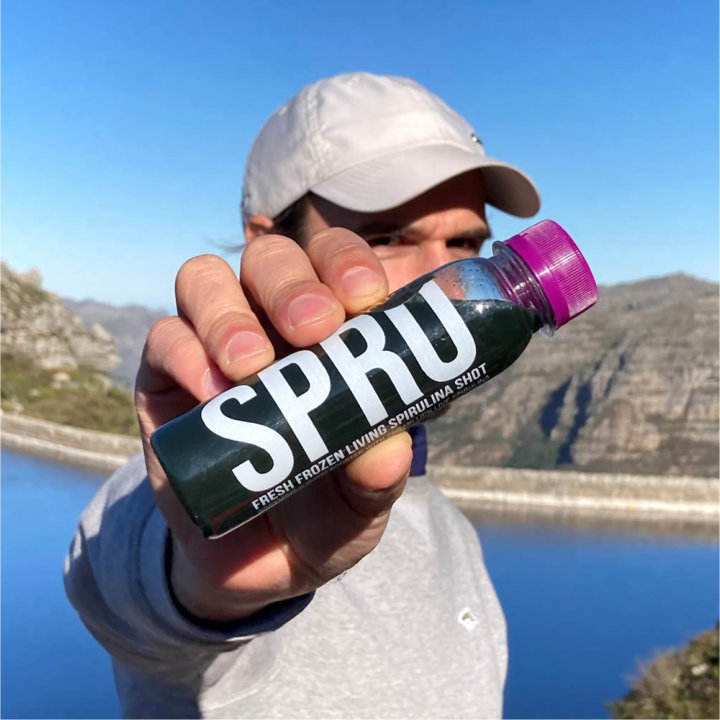
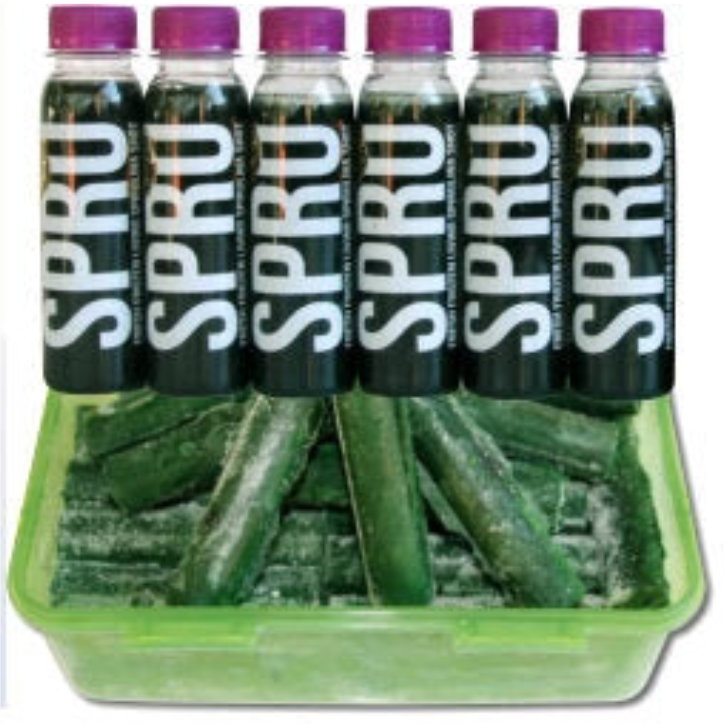


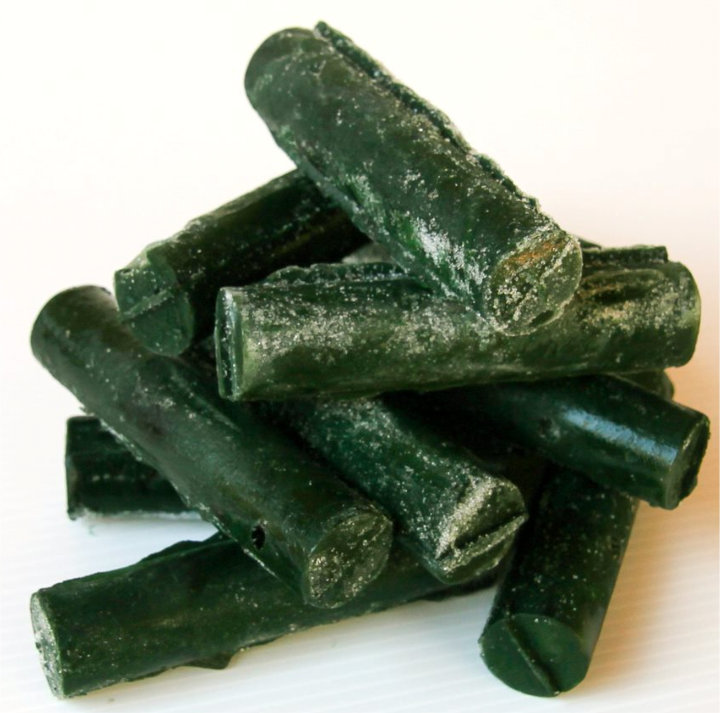
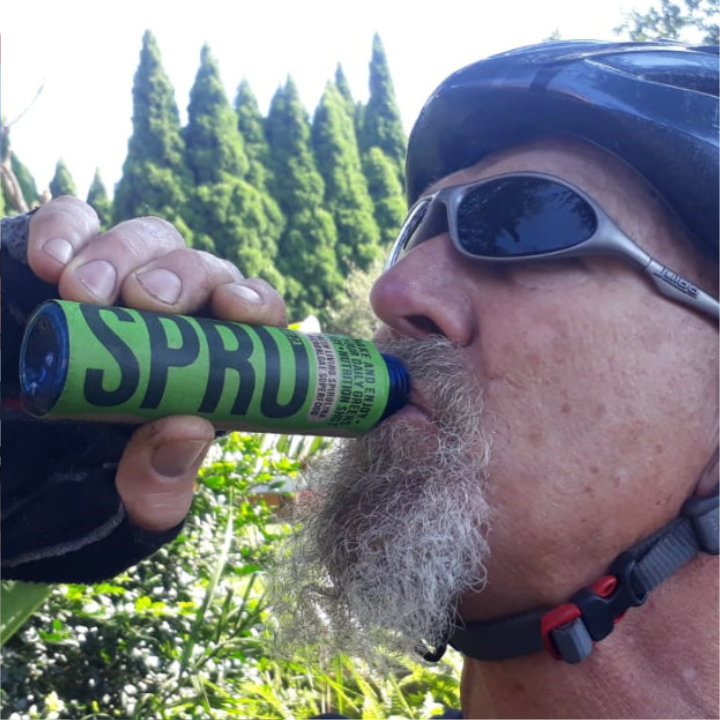
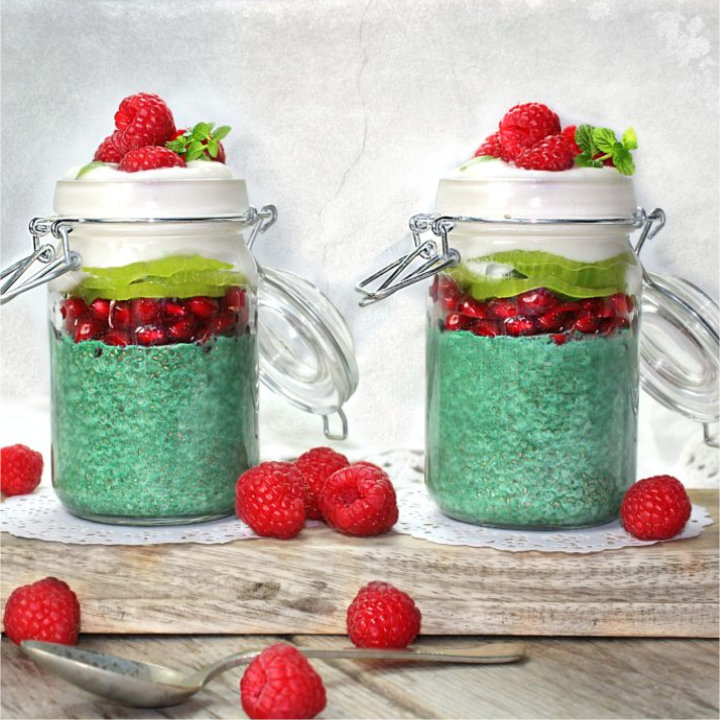
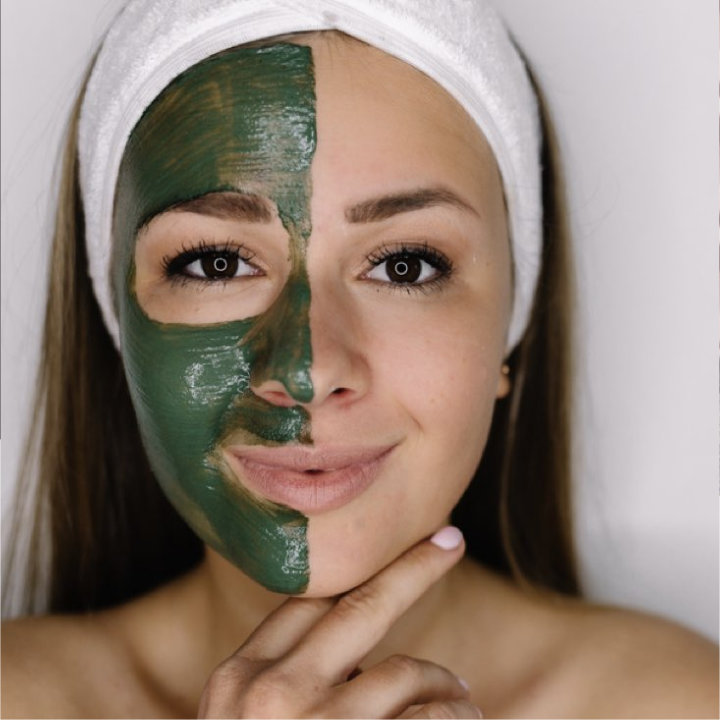
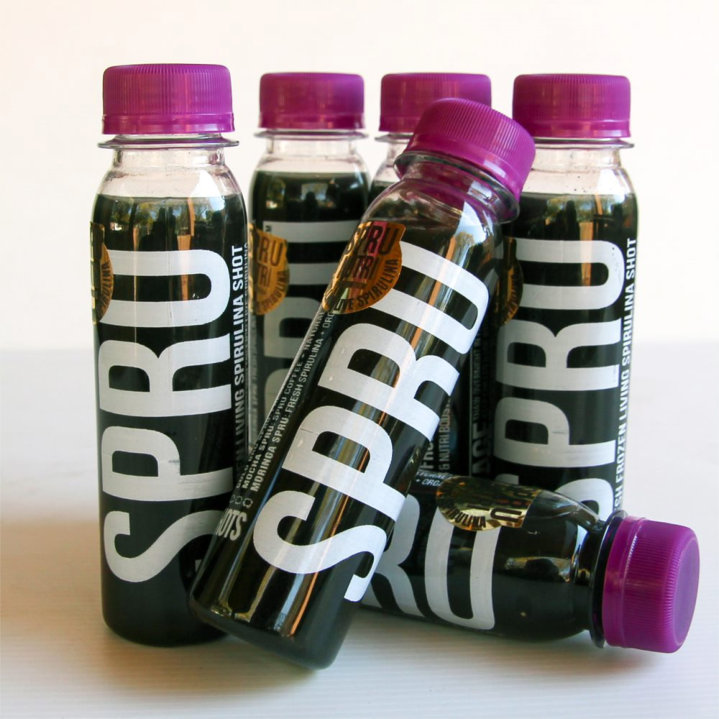
PS: SPRU have just launched their Fresh Frozen Topical Purifying & Detoxifying Masks – an edible health treatment for your face, skin, hair, and feet. Live spirulina superfood that works from the outside in! 💚
Additional Functional Benefits You Can Feel
People who take fresh spirulina consistently often notice:
- Glowing skin, stronger hair and nails.
- More energy, better sleep, and easier weight management.
- Faster muscle recovery and reduced post-exercise inflammation.
- Support during pregnancy and breastfeeding thanks to its natural iron, protein, and chlorophyll.
- Gentle nutritional support for children and babies – shown to help with growth, immunity, and preventing anaemia in developing countries.
- Support for women in menopause – its nutrient-rich, anti-inflammatory profile can help ease fatigue, mood swings, and oxidative stress linked to hormonal changes.
Longevity and Cellular Protection
One of spirulina’s most remarkable qualities is its ability to increase the body’s production of superoxide dismutase (SOD) – a master antioxidant enzyme linked to longevity and cellular protection. SOD helps neutralise oxidative stress at the mitochondrial level, slowing cellular ageing and enhancing vitality over time.
The Bottom Line
Fresh spirulina is one of the most nutrient-dense, antioxidant-rich, and sustainable foods ever discovered – and one of the few that truly bridges the nutritional gap caused by modern living.
Just one frozen SPRU stick a day provides your body with living nutrition, active enzymes, and powerful healing compounds that restore balance, energy, and vitality. Download the dosage guide to find out which product is best for you.
When you know your diet isn’t cutting it, this is one simple daily habit that truly changes everything.
Order the SPRU range from The Health Xchange – Witbank Food Club. In another area? Reach out directly to SPRU and give them our promo code “HEALTX” for a discount off your first direct purchase.
https://spru.co.za/
REFERENCES
Nutrient profile / general spirulina reviews
- FAO — A review on culture, production and use of spirulina as food for human and animal consumption (includes nutrient composition).
https://www.fao.org/3/i0424e/i0424e.pdf - Gershwin & Belay — Spirulina in Human Nutrition and Health (comprehensive review of composition & uses).
https://agris.fao.org/agris-search/search.do?recordID=US201300994981 (or search “Gershwin Belay Spirulina 2008” for the full book/chapter references) - Karkos PD et al., Spirulina in Clinical Practice: Evidence-Based Human Applications (2010) — review of human uses, safety and mechanisms.
https://www.ncbi.nlm.nih.gov/pmc/articles/PMC3136577/
Protein, vitamins, minerals, GLA
- FAO nutrient/composition summary (see chapter on nutritional content & protein %).
https://www.fao.org/3/i0424e/i0424e.pdf
Phycocyanin — antioxidant & anti-inflammatory pigment
- Fernandes R et al., Exploring the Benefits of Phycocyanin: From Spirulina Cultivation to Human Health (2023 review).
https://www.ncbi.nlm.nih.gov/pmc/articles/PMC10144176/ - Citi V et al., Nutraceutical Features of the Phycobiliprotein C-Phycocyanin (2024).
https://www.ncbi.nlm.nih.gov/pmc/articles/PMC11174898/
Antioxidant effects / boosts cellular antioxidant enzymes (SOD, TAC, etc.)
- Naeini F et al., Systematic review / meta-analysis on antioxidant effects (TAC, SOD) (2021).
https://pubmed.ncbi.nlm.nih.gov/34235823/ - Ismail M et al., Effect of Spirulina Intervention on Oxidative Stress Parameters (2015).
https://www.ncbi.nlm.nih.gov/pmc/articles/PMC4320919/
Improves blood lipids (cholesterol, triglycerides)
- Serban MC et al., A systematic review and meta-analysis: Spirulina supplementation reduces TC, LDL, TG and increases HDL (2016).
https://pubmed.ncbi.nlm.nih.gov/26433766/ - Rahnama I et al., The effect of Spirulina supplementation on lipid profile — meta-analysis (2023).
https://pubmed.ncbi.nlm.nih.gov/37263369/ - Huang H et al., Quantifying cardiovascular and metabolic biomarker effects of spirulina — meta-analysis (2018).
https://www.ncbi.nlm.nih.gov/pmc/articles/PMC6241722/
Blood sugar / insulin sensitivity
- Hamedifard Z et al., Effects of Spirulina on glycaemic control and serum lipids — meta-analysis (2019).
https://pubmed.ncbi.nlm.nih.gov/31359513/ - Huang H et al., meta-analysis (see link above for metabolic effects).
https://www.ncbi.nlm.nih.gov/pmc/articles/PMC6241722/
Immune function / immunomodulation
- Selmi C et al., Effects of spirulina on anaemia and immune function in older adults (2011).
https://www.ncbi.nlm.nih.gov/pmc/articles/PMC4012879/ - Zhang Y et al., Effects of spirulina supplementation on immune cells — review (2022).
https://www.ncbi.nlm.nih.gov/pmc/articles/PMC9612057/ - Calella P et al., Antioxidant, anti-inflammatory and immunomodulatory effects of spirulina (review — athletes/others) (2022).
https://pubmed.ncbi.nlm.nih.gov/36590230/
Gut health, microbiome & motility
- Nasab SJ et al., Spirulina platensis alleviates chronic inflammation with modulation of gut microbiota and intestinal permeability (preclinical) (2025).
https://www.ncbi.nlm.nih.gov/pmc/articles/PMC12013150/ - Hu J et al., Dose effects of orally administered spirulina on colonic microbiota (animal model) (2019).
https://www.frontiersin.org/articles/10.3389/fcimb.2019.00243/full - Neyrinck AM et al., Spirulina modulates gut microbiota and reduces hepatic inflammation in mice (2017).
https://www.mdpi.com/2072-6643/9/6/633
Detoxification / heavy metal mitigation (preclinical + human evidence)
- Bhattacharya S et al., The Role of Spirulina (Arthrospira) in the Mitigation of Heavy-Metal Toxicity — appraisal/review.
https://pubmed.ncbi.nlm.nih.gov/32749124/ - Misbahuddin M et al., Randomised trial: Spirulina extract plus zinc for chronic arsenic poisoning (2006) — human trial showing benefit.
https://pubmed.ncbi.nlm.nih.gov/16615668/ - Al-Dhabi NA et al., Heavy metal analysis in commercial Spirulina products (contamination risk) (2013).
https://www.ncbi.nlm.nih.gov/pmc/articles/PMC3824145/ - El-Tantawy WH et al., Antioxidant effects of spirulina against lead-induced hepatic injury (animal study).
https://www.ncbi.nlm.nih.gov/pmc/articles/PMC5067858/ - Mallamaci R et al., Potential protective effect of Spirulina against heavy metal toxicities (review) (2023).
https://www.ncbi.nlm.nih.gov/pmc/articles/PMC10707235/
Safety / regulatory (GRAS status, general tolerability)
- FDA GRAS search / GRAS notices for Arthrospira (spirulina) — GRAS determination(s).
https://www.fda.gov/food/food-ingredients-packaging/generally-recognized-safe-gras - Karkos PD et al., Spirulina in Clinical Practice: Evidence-Based Human Applications (safety discussion).
https://www.ncbi.nlm.nih.gov/pmc/articles/PMC3136577/ - Drugs.com summary — practical safety/dosing overview.
https://www.drugs.com/npp/spirulina.html
Sustainability / production advantages of spirulina
- FAO review on spirulina (production, low land/water requirements) — see FAO PDF.
https://www.fao.org/3/i0424e/i0424e.pdf - Musa MN et al., Techno-economic assessment / sustainability of Spirulina production (2025 review).
https://www.ncbi.nlm.nih.gov/pmc/articles/PMC12130388/
Quality & contamination concerns (why fresh, controlled growth matters)
- Al-Dhabi NA et al., Heavy metal analysis in commercial Spirulina products (evidence commercial products can contain contaminants).
https://www.ncbi.nlm.nih.gov/pmc/articles/PMC3824145/ - Determination of arsenic species in food-grade spirulina — species and levels can vary by source (2017 analytical study).
https://analyticalsciencejournals.onlinelibrary.wiley.com/doi/10.1002/jssc.201700618 - Studies on biosorption/chelation capacity of spirulina (why it can accumulate heavy metals if grown in contaminated waters). Example: Lead removal by Spirulina platensis biomass (2016).
https://pubmed.ncbi.nlm.nih.gov/26280392/
Exercise recovery, inflammation reduction, general performance
- Calella P et al., Antioxidant, anti-inflammatory and immunomodulatory effects of spirulina — performance & athlete studies (2022 review).
https://pubmed.ncbi.nlm.nih.gov/36590230/ - Wang C et al., Spirulina supplementation alleviates intense exercise-induced damage via gut microbiota modulation (2025 animal study).
https://pubmed.ncbi.nlm.nih.gov/39861485/