



In a world where food is always at our fingertips, how we think about eating has become increasingly important. Many of us unconsciously drift between meals and snacks, rarely stopping to consider why we’re eating, when we’re eating, what we’re eating, or how it affects our bodies in the long term. There’s a crucial distinction between simply feeding ourselves and truly fueling our bodies. Understanding this difference can lead to better choices, greater health, and a more energized life.
Feeding: Filling a Hole, Not a Need

Feeding is often reactive, unplanned, and more emotional than logical. Think of it as mindless munching, grabbing whatever is convenient to quickly satisfy a hunger pang, a craving, or even stress. This type of eating often happens when we:
– Need to satisfy an immediate craving
– Lead a busy rushed lifestyle
– Experience a blood sugar crash
– Use food as comfort or distraction
When we’re in a state of feeding, we tend to focus on the short-term goal – filling our stomachs, stabilising our mood, or curbing hunger with minimal thought to nutritional quality. We might reach for highly processed snacks, sugary treats, or fast foods that lack essential nutrients. These foods may provide immediate satisfaction, but they do little to nourish the body or support long-term health.
Over time, this type of eating can lead to poor digestion, weight gain, energy fluctuations, and chronic health issues like inflammation, metabolic syndrome, or even mental fog.
Fueling: Eating with Intention

On the other hand, fueling is intentional and thoughtful. It’s about choosing foods that provide the building blocks your body needs for optimal functioning. Instead of thinking of food as just something to fill a hunger gap, it’s seen as a source of energy, strength, and vitality.
Fueling your body involves asking:
– What nutrients does my body need today?
– How can I support my energy levels, focus, and mood with my food choices?
– What should I eat to enhance my physical performance, mental clarity, and long-term health?
By fueling, you shift from short-term satisfaction to long-term well-being. You eat foods that promote healing, recovery, stress resilience, and peak performance. This doesn’t mean every meal needs to be a superfood-packed masterpiece, but it does mean developing a mindset of food as fuel – a mindset that empowers you to choose foods with intention, purpose, and care for your body.
The Benefits of Fueling vs. Feeding
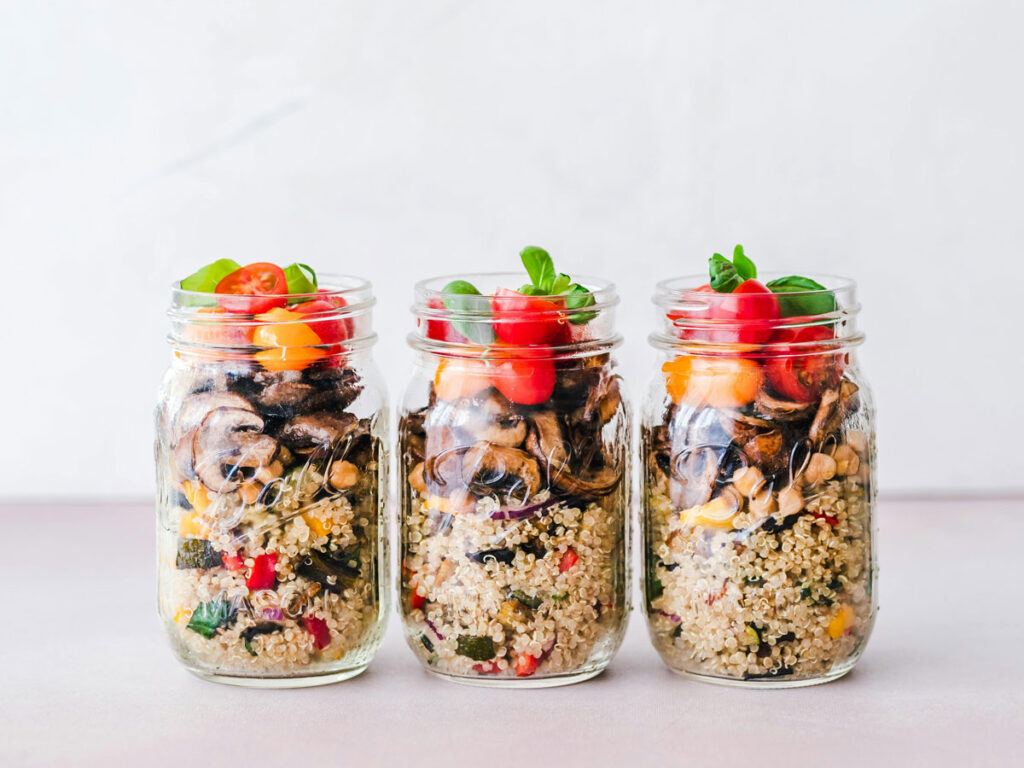
When you prioritize fueling your body, you begin to notice significant benefits that go beyond simply satisfying hunger:
1. Sustained Energy: High-quality proteins, healthy fats, and complex carbohydrates provide slow-releasing energy, helping you avoid the highs and lows of a sugar crash.
2. Mental Clarity and Focus: A diet rich in omega-3s, antioxidants, and whole foods supports cognitive function, enhancing memory, learning, and productivity.
3. Improved Physical Performance: Athletes who fuel with nutrient-dense foods experience better endurance, faster recovery, and greater strength gains.
4. Stress Resilience: Certain foods, such as those rich in B vitamins, magnesium, and adaptogens, help regulate cortisol and stress responses, boosting emotional and physical resilience.
5. Support for Detoxification: Whole foods, especially fruits, vegetables, and herbs, provide essential nutrients for detoxification, helping the liver and kidneys eliminate toxins effectively.
Shifting Your Mindset Toward Fueling

Changing how you approach food may take time, but it’s worth the effort. Here are a few tips to help you make the shift from feeding to fueling:
1. Plan Your Meals Around Nutrient Density: Focus on incorporating whole, unprocessed foods like leafy greens, lean proteins, healthy fats, and fruit & vegetable based carbohydrates. This approach helps you meet your nutritional needs while avoiding the mindless snacking that comes with feeding.
2. Plan Your Meals Around Building Blocks for Metabolic Health
One of the most effective ways to fuel your body is by ensuring that each meal includes five essential components that support metabolic health. These are:
- Quality Protein: Clean sources of protein such as meats, fish, eggs, or plant-based proteins (like hemp seeds, spirulina or legumes) provide the amino acids your body needs for muscle repair, hormone regulation, and immune function.
- Antioxidants: Found in colorful fruits and vegetables, antioxidants fight free radicals and reduce oxidative stress, supporting cellular health and slowing aging.
- Fiber: Plant-based fibers, particularly from vegetables, fruits, or psyllium husk (instead of grains), aid digestion, promote gut health, and help maintain stable blood sugar levels.
- Probiotics: Fermented foods such as yogurt, kimchi, sauerkraut, and kefir are rich in probiotics that support a healthy gut microbiome, which is essential for digestion, immune function, and even mood regulation.
- Omega-3’s: These essential fatty acids or healthy fats, found in foods like fatty fish (salmon, mackerel), chia seeds, flaxseeds, and walnuts, reduce inflammation, support brain health, and are critical for cardiovascular health.
Using this checklist at every meal ensures you’re covering all your nutritional bases without the fuss of counting macros or weighing your food. It’s a super easy modern, science-backed approach to meal planning that can improve metabolic health, boost energy, and keep you feeling your best.
Even if you’re not able to check off all five components at every meal, aim to incorporate them into your daily intake as a starting point.
2. Listen to Your Body’s Signals: Are you truly hungry, or are you bored, stressed, or craving sugar? Becoming aware of your body’s signals can help you determine whether you’re feeding a craving or fueling for energy.
3. Eat Mindfully: Sit down, slow down, and savor your meals – appreciating the tastes, fragrances, and textures. Eating mindfully not only improves digestion but also helps you become more aware of what you’re putting into your body.
4. Prepare Ahead of Time: When you’re hungry and pressed for time, it’s easy to fall back into feeding habits. By preparing meals and snacks in advance, you can ensure that you always have healthy options on hand.
5. Hydrate Properly: Sometimes what feels like hunger is actually dehydration. Drinking mineral rich water or rather electrolytes, throughout the day helps keep your energy levels stable and reduces unnecessary snacking.
Fueling for a Healthier Future

Eating is an essential part of life, but how we approach it makes all the difference. Shifting from feeding to fueling is about empowering yourself to make mindful, intentional choices that support your body’s long-term health and vitality. It’s not about restricting or denying yourself pleasure from food, but rather embracing the power that smart nutrition has to offer.
By fueling your body with care, you set yourself up for sustained energy, improved performance, and a more vibrant, healthy life.
References:
Wansink, B., & van Ittersum, K. (2013). Fast food, portion size, and calories: How a fast food meal can lead to excess calorie intake. Journal of Consumer Research, 40(1), 190-198. DOI:10.1086/670352
Mindful Eating:
Michalak, J., & Ströhle, A. (2012). Mindfulness and eating: A meta-analysis. Journal of Obesity, 2012, Article ID 647153. DOI:10.1155/2012/647153
Nutritional Quality and Health:
Mozaffarian, D., & Ludwig, D. S. (2010). Dietary guidelines in the 21st century—a time for food. The New England Journal of Medicine, 363(21), 2069-2073. DOI:10.1056/NEJMp1003600
Fueling for Metabolic Health
Quality Protein:
Wolfe, R. R. (2006). The underappreciated role of muscle in health and disease. American Journal of Clinical Nutrition, 84(3), 475-482. DOI:10.1093/ajcn/84.3.475
Antioxidants:
Scalbert, A., Manach, C., Morand, C., Rémésy, C., & Jiménez, L. (2005). Dietary polyphenols and the risk of cardiovascular disease: A review. Critical Reviews in Food Science and Nutrition, 45(4), 287-306. DOI:10.1080/10408390590920258
Fiber:
Anderson, J. W., Baird, P., Davis, R. H., Ferreri, S., Ferreri, J., & Krajcovicova, A. (2009). Health benefits of dietary fiber. Nutritional Reviews, 67(4), 188-205. DOI:10.1111/j.1753-4887.2009.00189.x
Probiotics:
Roberfroid, M. (2007). Prebiotics: the concept revisited. Nutrition Reviews, 65(6), 462-470. DOI:10.1111/j.1753-4887.2007.tb00264.x
Omega-3 Fatty Acids:
Simopoulos, A. P. (2010). Dietary omega-3 fatty acids and the prevention of chronic diseases. World Review of Nutrition and Dietetics, 102, 1-19. DOI:10.1159/000314654
Conclusion: Fueling for a Healthier Future
Nutritional Choices and Health Outcomes:
Schwingshackl, L., & Hoffmann, G. (2015). Diet quality as an indicator of overall health: A systematic review and meta-analysis. British Journal of Nutrition, 113(9), 1483-1495. DOI:10.1017/S0007114515000444
Nutrition and Mental Health:
Jacka, F. N., et al. (2010). Association of Western and traditional diets with depression and anxiety in women. The American Journal of Psychiatry, 167(3), 305-311. DOI:10.1176/appi.ajp.2009.09060881
Quality Protein:
Phillips, S. M. (2012). Protein requirements and supplementation in strength sports. *Journal of Sports Sciences*, 30(1), 47-56. [DOI:10.1080/02640414.2011.637265](https://doi.org/10.1080/02640414.2011.637265)
Antioxidants:
Halliwell, B. (2007). Dietary antioxidants: preventing oxidative stress in the aging brain. *British Journal of Nutrition*, 90(3), 245-250. [DOI:10.1017/S0007114507853125](https://doi.org/10.1017/S0007114507853125)
Fiber:
Slavin, J. (2013). Fiber and prebiotics: mechanisms and health benefits. *Nutrients*, 5(4), 1417-1435. [DOI:10.3390/nu5041417](https://doi.org/10.3390/nu5041417)
Probiotics:
Hill, C., et al. (2014). Expert Consensus Document: The International Scientific Association for Probiotics and Prebiotics Consensus Statement on the Scope and Appropriate Use of Probiotics. *Nature Reviews Gastroenterology & Hepatology*, 11(8), 506-514. [DOI:10.1038/nrgastro.2014.66](https://doi.org/10.1038/nrgastro.2014.66)
Omega-3 Fatty Acids:
Calder, P. C. (2015). Omega-3 fatty acids and inflammatory processes: from molecules to man. *Biochemical Society Transactions*, 43(5), 761-770. [DOI:10.1042/BST20150108](https://doi.org/10.1042/BST20150108)
Nutritional Choices and Health Outcomes:
Schwingshackl, L., & Hoffmann, G. (2015). Diet quality as an indicator of overall health: A systematic review and meta-analysis. British Journal of Nutrition, 113(9), 1483-1495. DOI:10.1017/S0007114515000444
Nutrition and Mental Health:
Jacka, F. N., et al. (2010). Association of Western and traditional diets with depression and anxiety in women. The American Journal of Psychiatry, 167(3), 305-311. DOI:10.1176/appi.ajp.2009.09060881