
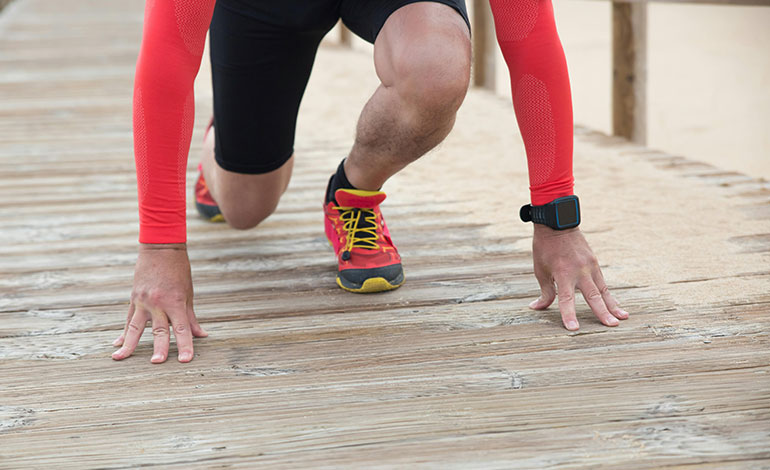


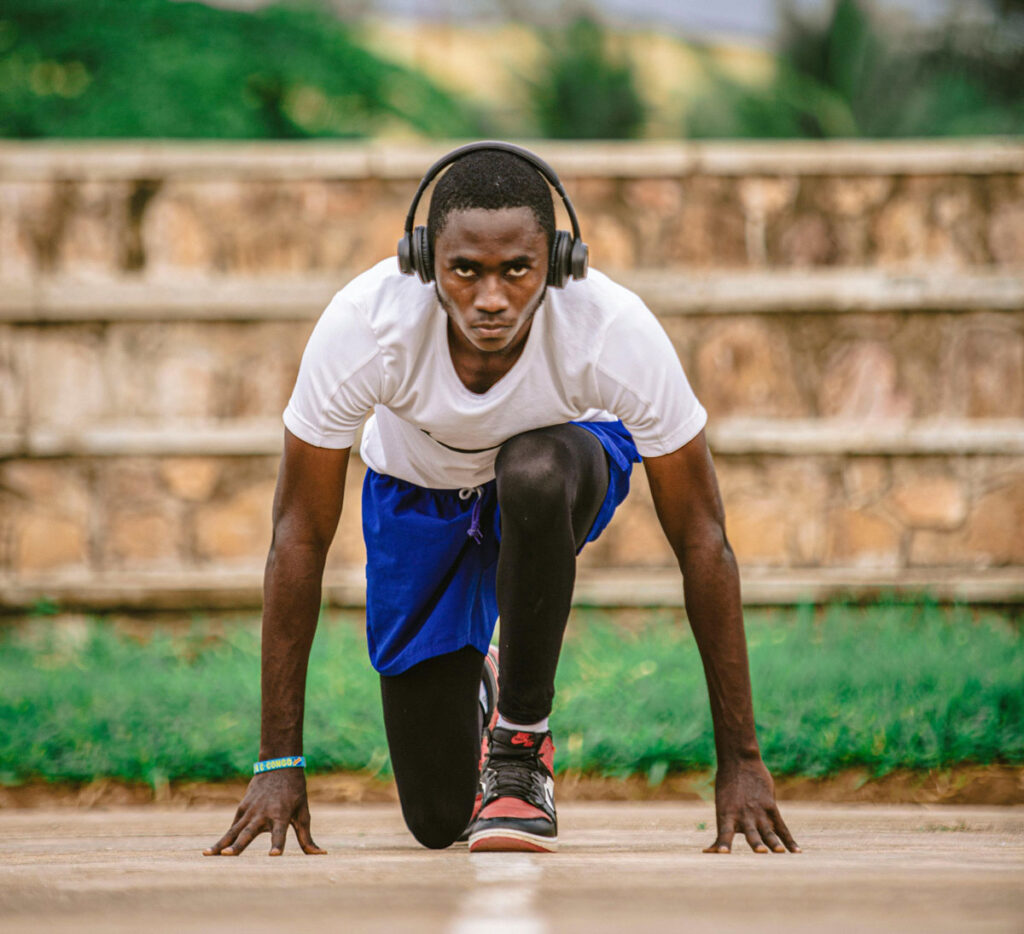
In today’s world, physical activity is a cornerstone of good health, widely acknowledged for its proven benefits: it strengthens muscles, supports heart health, boosts mental well-being, and promotes longevity. But there’s a powerful shift in perspective that can transform how we approach movement: understanding the difference between “exercising” and “training.
The Benefits of Daily Exercise
Exercise is fundamental to overall health. Health authorities recommend at least 150 minutes of moderate aerobic activity, such as brisk walking, or 75 minutes of vigorous activity weekly, along with muscle-strengthening exercises twice a week
This guidance is designed to reduce the risk of chronic diseases, improve mood, and enhance mental clarity through the release of endorphins. However, even beginners can experience remarkable benefits from lower-impact activities, especially when they approach exercise with consistency, commitment, and a long-term mindset.
For those just starting or facing health challenges, walking daily is a great place to begin. Over time, with dedication, this simple routine builds endurance, strength, and resilience. Approaching these moderate activities with the mindset of an athlete-focused, committed, and purposeful – can transform these efforts into lasting health habits that serve as the foundation for a long, fulfilling life.
As confidence and strength develop, one can gradually increase intensity, adding variety and purpose to physical activity. Yet, even moderate exercise done with intention has the power to bring extraordinary health benefits. The key is not the intensity but the consistency and commitment to progress.
A Step Further: Training With Purpose
While exercise keeps us active and healthy, training introduces a structured approach that transforms movement into a journey of growth and purpose. Training involves setting specific, measurable goals and following a plan to reach them. This approach not only strengthens the body but also builds resilience, focus, and a sense of purpose. Training has a clear direction – it’s progress-driven and often deeply rewarding as you witness tangible improvements in endurance, strength, and skill.
In training, every session has a purpose. Whether it’s running a faster mile, lifting a heavier weight, or increasing flexibility, training pushes us to continually improve. Setting personal goals, tracking progress, and working toward a target enhances motivation and commitment. Each milestone reached and each challenge overcome reinforces a growth mindset, cultivating discipline and determination.
Our community embodies this purposeful approach, embracing exercise not merely as individual tasks but as part of a shared journey. Instead of competitive sports, we focus on “training adventures” – outdoor activities, group challenges, and events that bring people together with shared goals. Together, we push beyond comfort zones, aiming to achieve personal bests while fostering meaningful relationships. This process of stepping out of the familiar and challenging limits nurtures both physical and mental resilience, qualities that are essential for a healthy, fulfilling life.
Training within a community provides additional benefits that solitary exercise lacks. Exercising alongside others who are working toward similar goals creates a powerful support network. Each member’s progress and encouragement inspire others to keep going, even when challenges arise. This shared journey provides emotional support, reduces feelings of isolation, and increases accountability, making it easier to stay on track.
Training together fosters a unique kind of camaraderie and unity. Research shows that social connections formed through shared physical activity have profound mental health benefits, including reduced stress, increased happiness, and a stronger sense of belonging. Training as a group, our collective energy propels everyone forward. Each person’s success becomes a victory for all, strengthening bonds and fostering a culture of mutual support.
Moreover, training for a purpose – whether it’s an upcoming event, an adventure challenge, or a personal milestone – helps us stay motivated and connected to something larger than ourselves. It transforms movement into an experience of purpose and personal growth, turning each workout into a meaningful part of life’s journey. The experience of shared, purposeful training can extend beyond the gym or track, influencing how we approach challenges in all aspects of life. This mindset encourages perseverance, adaptability, and mental toughness, equipping us with tools that are invaluable both on and off the training ground.
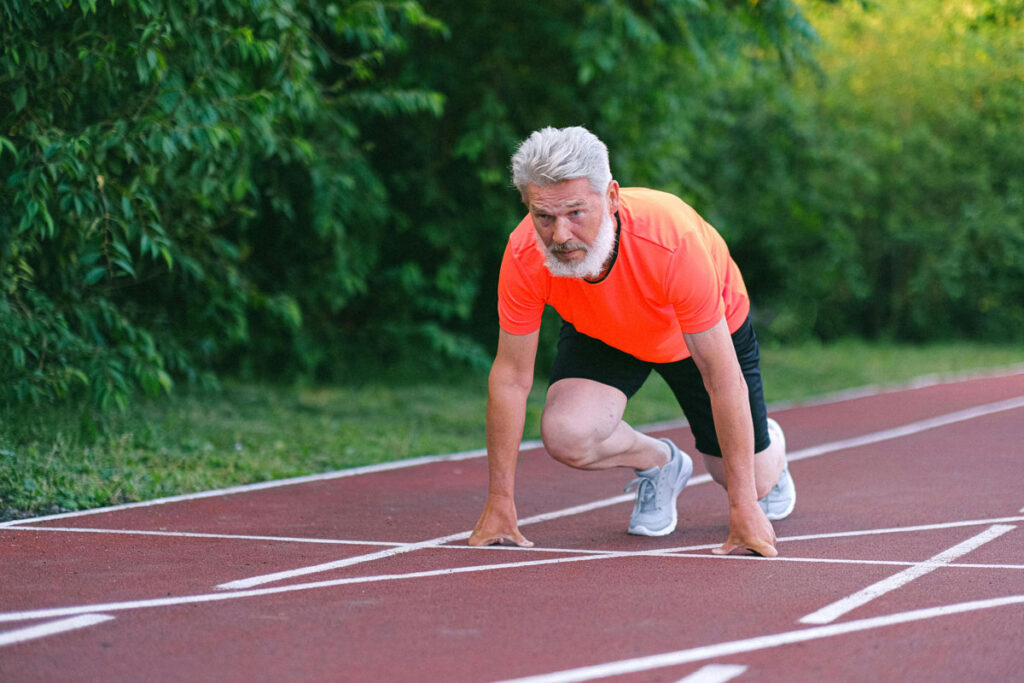
Training as a Path to Lifelong Health
The rewards of this purposeful approach go far beyond immediate physical benefits. Purpose-driven training can lead to improved confidence, mental clarity, and resilience – all of which contribute to a fulfilling, healthy life. Training isn’t just about achieving physical milestones; it’s about fostering a lifelong commitment to health and well-being. A structured, goal-oriented approach to movement prepares us for the challenges and joys of life, supporting not only physical vitality but also mental and emotional resilience.
This perspective shift from “exercising” to “training” aligns with the practices of the world’s longest-living communities. Many members of these communities are physically active through purposeful tasks and regular movement, rather than exercise alone, movement is a part of their daily lives, performed with intention and supported by social connections, which research shows are essential for longevity. By focusing on training with a purpose and aligning our physical activities with meaningful goals, we too can cultivate the strength, endurance, and mindset needed to live long, active, and fulfilling lives.
Training for Longevity
Our ultimate goal goes beyond short-term fitness; it’s about longevity and building a foundation for a healthy, vibrant life. Shifting from “exercise” to “training” allows us to aim for long-term vitality, setting us up to age well, free from disease, and with a sharp mind and strong body. Training is not a short sprint; it’s a marathon, preparing us to live with vitality well into our later years.
The world’s longest-living communities, like the Blue Zones, exemplify this approach. These communities engage in purposeful movement, prioritising daily activity and cultivating strong social connections
For them, movement is embedded in daily life, strengthening bonds and supporting physical and emotional well-being. They don’t “exercise” in the traditional sense – they move with intention and live actively, using movement to foster relationships and enhance their quality of life.
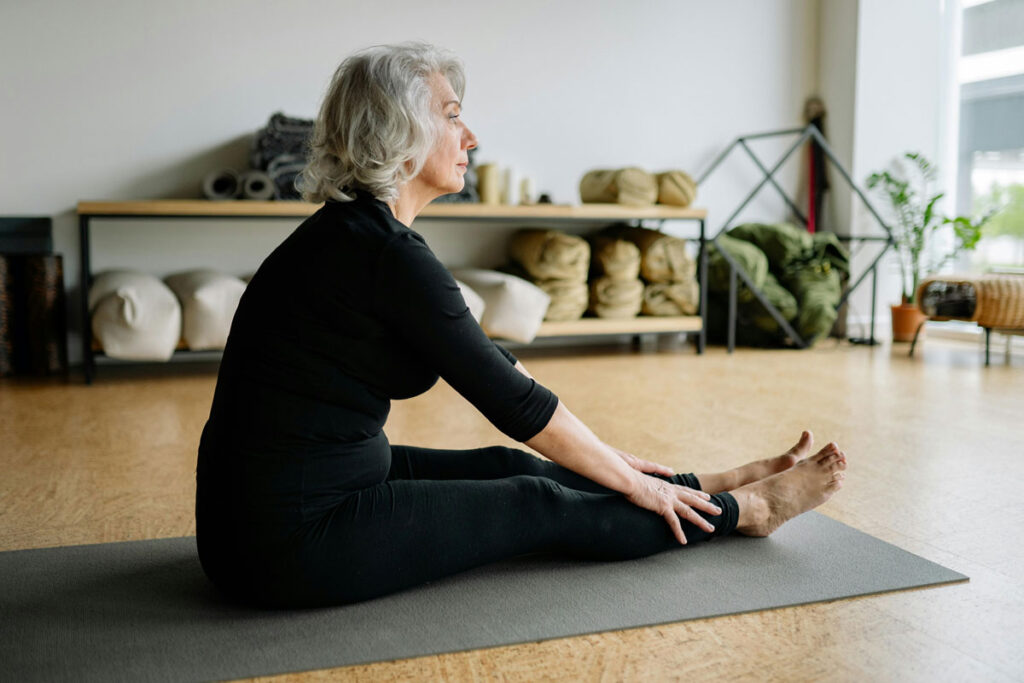
The Key Elements to Longevity
To achieve longevity and overall health, we must utilise the good resources available to us:
- Healthy Food: Nutritious food is essential for performance, recovery, and long-term health.
- Movement: Regular movement, through training, promotes strength, flexibility, and independence as we age.
- Connection: Social bonds reinforce commitment to personal and shared health goals.
- Purpose: Aligning with a greater purpose makes training more fulfilling and adds meaning to the journey.
- Mind-Body Connection: Thoughts and emotions impact physical health, and a positive mindset aids in better outcomes.
- Stress Reduction: Training can help manage stress, improving overall well-being and resilience.
- Emotional Well-being: Physical training builds mental fortitude, helping us navigate life’s challenges.
- Detoxification: Reducing exposure to environmental toxins and enhancing the body’s natural detox systems through purposeful movement are vital for long-term health. This includes limiting harmful elements in food, air, and water, and addressing emotional wellness, letting go of anger, stress, negative emotions, and moving with intention.
Addressing emotional wellness is especially important. Releasing anger and stress creates space for healing and renewal, allowing us to move forward with strength and purpose. Outdoor exercise, particularly when done in community settings, encourages connection with nature and supports mental detoxification, reconnecting us to a sense of peace and belonging
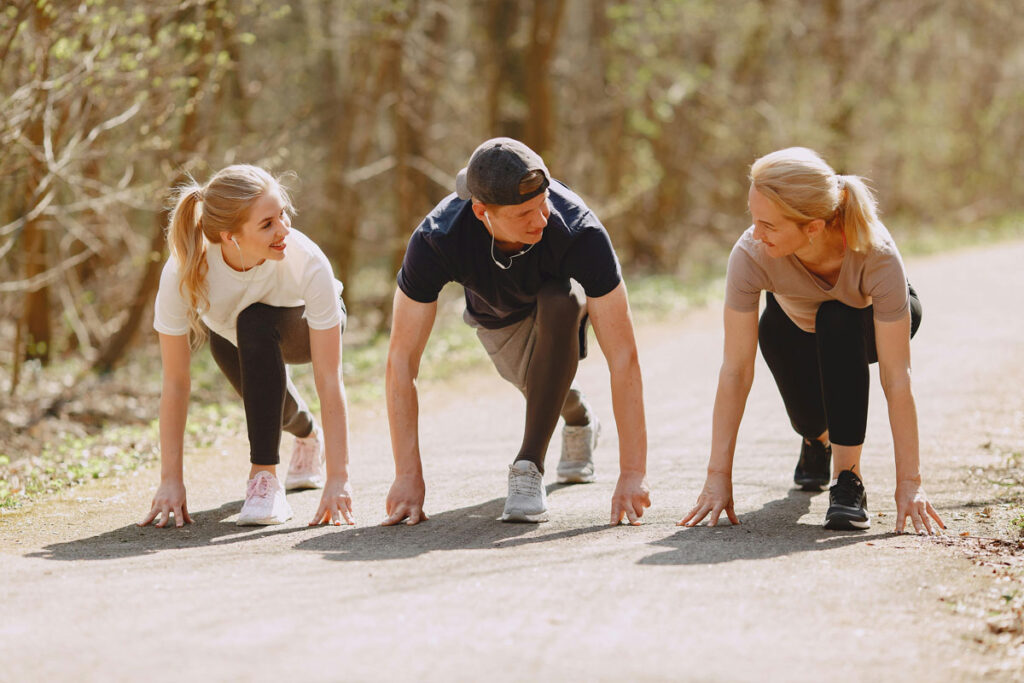
Building a Strong, Healthy Community
When we shift from “exercise” to “training,” we’re not just moving for today; we’re building strength and resilience for a lifetime. Training encourages us to set meaningful goals, support one another, and commit to a purpose greater than ourselves. Like athletes in a team, we grow stronger together, building healthier communities and moving toward a future full of vitality, mental clarity, and purpose.
Training also reminds us of our interdependence; no one can succeed alone. Shifting from “exercising for me” to “training together” paves the way for a future where we live longer and live better in body, mind, and spirit. Together, we thrive, prepared to face life’s challenges and enjoy the ultimate prize: a life of health, connection, and purpose.
References:
1. NHS Physical Activity Guidelines
NHS. (2019). Physical activity guidelines for adults.
Available at: https://www.nhs.uk/live-well/exercise/
2. Health Benefits of Exercise
Mayo Clinic. (2023). Exercise: 7 benefits of regular physical activity.
Available at: https://www.mayoclinic.org/healthy-lifestyle/fitness/in-depth/exercise/art-20048389
3. Physical Activity and Longevity
Harvard T.H. Chan School of Public Health. (2020). Benefits of Physical Activity.
Available at: https://www.hsph.harvard.edu/nutritionsource/staying-active/
4. The Mind-Body Connection
American Psychological Association. (2012). Exercise Fuels the Brain’s Stress Buffers.
Available at: https://www.apa.org/topics/exercise-stress
5. The Blue Zones and Longevity
Buettner, D. (2009). The Blue Zones: Lessons for Living Longer From the People Who’ve Lived the Longest.
Available at: https://www.bluezones.com
6. Social Connection and Health
Holt-Lunstad, J., et al. (2010). Social Relationships and Mortality Risk: A Meta-analytic Review.
PLOS Medicine. Available at: https://journals.plos.org/plosmedicine/article?id=10.1371/journal.pmed.1000316
7. Nutritional Support for Physical Performance
U.S. National Library of Medicine. (2022). Nutrition and Athletic Performance.
Available at: https://medlineplus.gov/ency/patientinstructions/000110.htm
8. Exercise and Stress Reduction
American Heart Association. (2021). Stress Management: Exercise and Stress.
Available at: https://www.heart.org/en/healthy-living/healthy-lifestyle/stress-management/exercising-to-relax
9. Intensity and Duration of Exercise
World Health Organization. (2020). WHO Guidelines on Physical Activity and Sedentary Behaviour. World Health Organization. Available at: https://apps.who.int/iris/handle/10665/336657.