


Introduction: Why Proper Hydration Goes Beyond Water
Hydration is vital for health, impacting everything from brain function to energy levels, digestion, and even skin quality. Yet, despite the common advice to drink eight glasses of water daily, many still feel sluggish or dehydrated. This is because true hydration involves more than just drinking water; it requires essential minerals. Sole water, a potent, mineral-rich solution made from quality salt and water, is an age-old method to boost hydration, support electrolyte balance, and enhance overall health.
This post dives deep into what Sole water is, why it works, and how you can easily make and use it to unlock its many benefits.
Understanding Hydration: The Role of Minerals
Water makes up approximately 75-85% of our bodies and is crucial for countless bodily functions, from maintaining blood pressure to lubricating joints. Yet, even if you meet your daily water quota, you may still experience signs of dehydration, such as headaches, fatigue, joint pain, and dry skin. This is because minerals are required to activate the body’s hydroelectric system, generating the electrical charges essential for proper cellular hydration and function.
Without these minerals, water alone can’t fully penetrate cells, leaving you dehydrated at the cellular level. Sole water, made with natural, unrefined salt, delivers a balance of essential minerals that supports effective hydration, allowing water to be better absorbed by cells.

Common Symptoms of Dehydration
One can drink the recommended amount of water daily yet still be dehydrated at a cellular level. Under a microscope, dehydrated cells appear shrunken and shriveled, revealing a lack of adequate hydration where it matters most. Dehydration often manifests subtly, with symptoms that frequently go unnoticed. Some of the most common signs include:
- Physical Symptoms: Fatigue, dry skin, headaches, joint pain, dizziness, muscle cramps, and dry mouth. Chronic dehydration can lead to poor skin elasticity, resulting in premature signs of ageing and other skin health concerns, such as increased vulnerability to skin irritation or conditions like eczema.
- Cognitive Effects: Brain fog, poor concentration, confusion, and even negative thought patterns. Dehydration affects the brain’s ability to function optimally, impairing memory, mood regulation, and decision-making.
- Digestive Issues: Poor digestion, increased sugar cravings, and frequent hunger. Dehydration can hinder the production of digestive enzymes, leading to bloating and constipation. It may also cause the body to crave sugary foods as a quick source of energy.
- Organ Functioning and Cellular Health: Chronic dehydration places stress on vital organs, particularly the kidneys, liver, and heart. Inadequate hydration can increase the risk of kidney stones, urinary tract infections, and even kidney failure. Additionally, dehydration can cause the heart to work harder to pump blood, raising blood pressure and increasing the risk of a heart attack or stroke. At a cellular level, dehydration disrupts the body’s ability to transport nutrients and remove waste products, impairing cellular function and the body’s overall detoxification processes.
- Sports Performance Concerns: Dehydration significantly impacts physical performance, leading to reduced endurance, slower recovery, muscle fatigue, and cramping. It can also impair coordination and reaction time, increasing the risk of injury.
Proper hydration, especially with mineral support from Sole water, can help alleviate these issues by ensuring your body maintains electrolyte balance and supports optimal organ function, digestion, detoxification, skin health, and athletic performance. Regular hydration also enables your cells to work efficiently, promoting energy, recovery, and overall well-being while reducing the risk of severe health issues, including heart attacks.
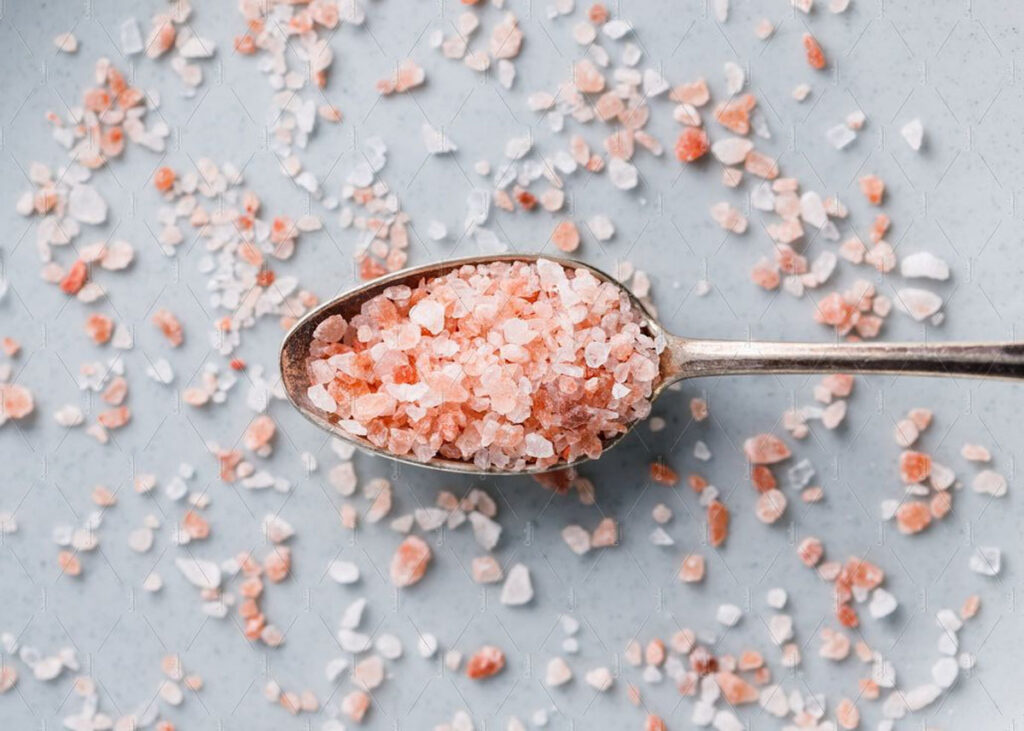
Three Ways to Harness the Power of Salt: Which Method Hydrates Best?
When it comes to reaping the benefits of salt for health, there are three main methods, each with unique effects on hydration and mineral intake:
Adding a Splash of Sole
Sole water, a solution of saturated natural salt, offers the optimal approach to hydration. The salt fully dissolves, releasing ions that create a balanced electrolyte-rich brine. When added to water, these charged electrolytes (sodium, potassium, magnesium, chloride, etc.) enhance water’s ability to move across cell membranes, efficiently hydrating the body. Unlike simply consuming salt, Sole water delivers minerals in an absorbable form that helps maintain an electrolyte balance crucial for sustained hydration, making it a superior choice for optimising cellular hydration and overall health.
Adding Quality Salt to Your Food
Incorporating unrefined, mineral-rich salt into meals enhances daily mineral intake but does little to improve hydration at the cellular level. This is because salt consumed with food doesn’t directly enter the bloodstream, where it could quickly reach cells. Instead, it goes through digestion, which reduces the bioavailability of its electrolytes for immediate hydration. For hydration, water needs to carry these minerals directly into cells. Salt in food, though beneficial for replenishing overall mineral reserves, is less effective for cellular hydration.
Sucking on a Salt Crystal
Placing a small crystal of Celtic sea salt on the tongue allows the magnesium to be absorbed directly into the bloodstream. This method can quickly energise the body by enabling magnesium to reach cell membranes, assisting in drawing water into cells. However, this technique has limitations; it doesn’t supply a balanced range of electrolytes (like potassium and calcium) needed to support full cellular hydration. Additionally, relying solely on this method may not sustain hydration over time as effectively as an electrolyte-rich solution.
The Benefits of Sole Water: Why This Electrolytic Solution Works
Sole water is more than just salt water. It’s a saturated solution made with unrefined, natural salt that supplies the body with critical minerals in an easily absorbable form. By drinking Sole water, you’re supplying your body with electrolytes that work with water to support cellular hydration and a range of bodily functions.
1. Enhanced Hydration and Cellular Health
Drinking plain water can sometimes dilute bodily fluids and increase the risk of frequent urination, which may actually cause dehydration. Sole water, by contrast, helps your body maintain a balance of minerals, which aids in deeper cellular hydration without overloading the kidneys. This balance ensures your cells receive the water they need without the “flushing” effect of drinking plain water alone.
2. Supports Brain and Nervous System Health
Sodium, potassium, and magnesium—present in Sole water—are essential for healthy nerve function. These minerals aid in brain communication, regulate neurotransmitters, and support mental clarity and focus. By maintaining proper electrolyte balance, Sole water can improve mood, reduce anxiety, and support cognitive performance.
3. Aids Detoxification and Kidney Function
Hydration supports the body’s detoxification processes, and electrolytes play a significant role in kidney function. When electrolyte levels are balanced, the kidneys can more efficiently filter toxins and waste products. This promotes a healthier urinary system and helps prevent kidney strain, bladder infections, and mineral deficiency diseases.
4. Improves Sleep Quality and Reduces Stress
Taking a small amount of Sole water at night has a calming effect, helping to regulate stress hormones like cortisol. High mineral content in Sole water, including magnesium, helps ease muscle tension and promotes relaxation, leading to deeper, more restorative sleep. For those who wake up at night due to adrenaline spikes, a sip of Sole water before bed can help stabilise blood sugar levels and support more consistent energy overnight.
5. Digestive Health Support
Salt in Sole water promotes the production of digestive enzymes, improving the breakdown of food and aiding nutrient absorption. Drinking Sole water 30 minutes before meals can enhance digestion by stimulating saliva, gastric acid, and digestive enzymes, leading to improved nutrient uptake.
6. Boosts Nutrient Absorption
With better cellular hydration, your body is more capable of absorbing nutrients from food. Drinking Sole water each day can increase nutrient absorption by up to 7%, ensuring you get more out of your meals and supplements.
7. Balances pH Levels
Sole water, with its slight alkalinity (pH ~7.4), helps maintain an optimal acid-base balance. This balance is essential for reducing inflammation, supporting metabolic health, and enhancing the body’s ability to resist illness. In contrast, common water treatments such as reverse osmosis can result in acidic water, which lacks minerals and may upset the body’s pH.
8. Promotes Skin Health
Minerals in Sole water, such as chromium, iodine, zinc, and sulphur, contribute to clearer, healthier skin by reducing inflammation, supporting wound healing, and regulating oil production. Drinking Sole water, as well as incorporating salt baths or scrubs into your skincare routine, can improve skin elasticity, minimise acne, and provide relief for conditions like eczema.
The Sodium-Potassium Pump: Cellular Balance
A critical aspect of cellular hydration is the sodium-potassium pump. This pump regulates the balance of sodium outside cells and potassium inside cells. Processed table salt (sodium chloride) or excessive intake of it without adequate potassium disrupts this balance, causing cellular dehydration, inflammation, and even high blood pressure. By using natural salts like those in Sole water, which are rich in both sodium and potassium, you can support proper cellular function and maintain fluid balance.
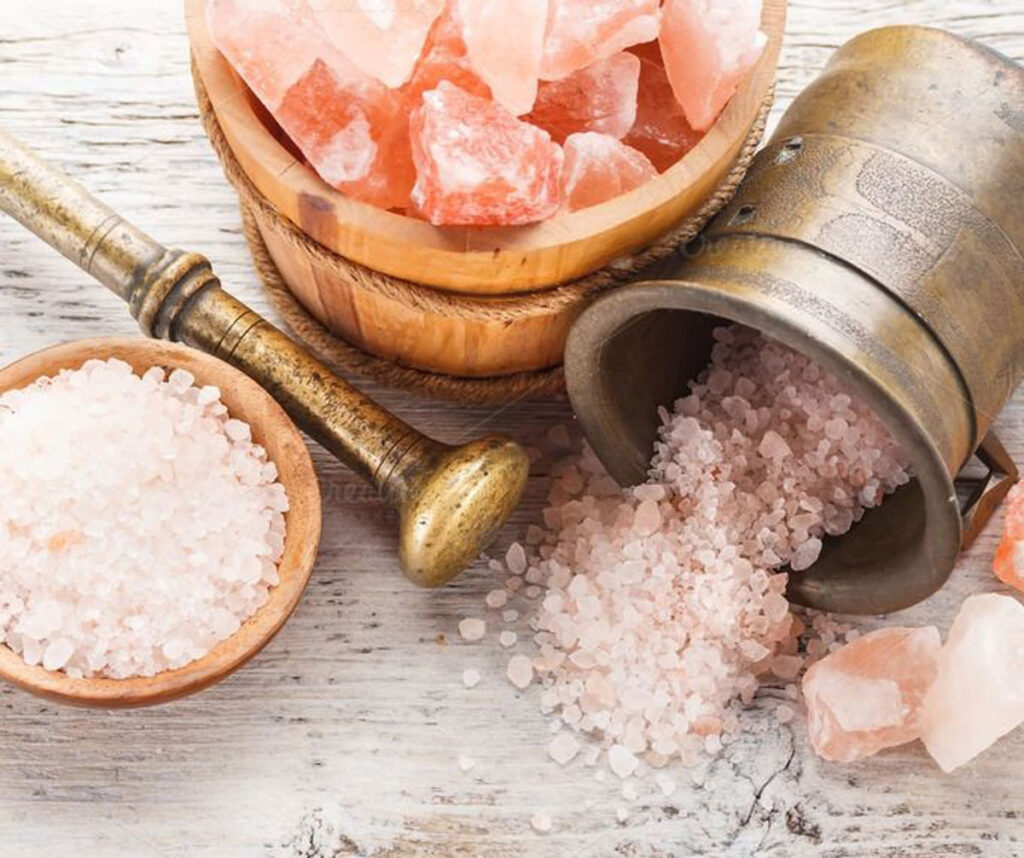
Quality of Salt Matters
Celtic Sea Salt
Mineral Content: Contains 82 essential trace minerals, including magnesium chloride, magnesium bromide, and magnesium sulfate, all of which are vital for cellular hydration and electrolyte balance.
Source: Harvested sustainably from the coastal salt flats of France, Celtic sea salt is unrefined and free from additives, retaining its natural moisture and mineral-rich composition.
Benefits: Known for its high magnesium content, this moist salt supports deeper hydration and provides an effective way to increase mineral intake. It’s ideal for replenishing lost electrolytes.
Concerns: Celtic sea salt, along with other sea salts, can contain trace amounts of heavy metals, including lead. This is often attributed to ocean pollution, which affects many sea salts due to contamination from industrial runoff and other pollutants. However, the lead levels in high-quality Celtic sea salt typically remain within the safety limits set by regulatory bodies for food products. The amounts are generally very low, but they can still be a concern for those highly sensitive to heavy metals. It’s worth noting that some brands conduct thorough testing to ensure that their salts meet strict purity standards and minimise contaminant levels.
Himalayan Pink Salt
Mineral Content: Composed of 70-84 trace minerals, Himalayan salt is particularly rich in iron, which gives it its pink hue, along with calcium, potassium, and magnesium, all of which contribute to its alkalising effects.
Source: Mined from ancient salt deposits in the Himalayan mountains, this salt is known for its purity, being free from environmental contaminants and heavy metals commonly found in sea salt sources.
Concerns: There is a lot of fake Himalayan salt on the market which is essentially dyed sea salt. Unethical mining uses TNT to blast the deposits potentially contaminating the salt. Be sure to buy a reputable ethical brand.
Baja Gold Salt
Mineral Content: This salt contains approximately 90 trace minerals, including magnesium, potassium, and calcium, which are crucial for hydration, muscle function, and pH balance. Known for its unique mineral density and clean taste, Baja Gold provides a comprehensive electrolyte profile.
Source: Harvested sustainably from the pristine waters of Baja California, Baja Gold is minimally processed, retaining its full spectrum of naturally occurring minerals without any chemical additives.
Concerns: Not readily available in South Africa and its higher cost may be a consideration for some.
Oryx Desert Salt
Mineral Content: Rich in essential minerals like potassium, magnesium, and calcium, Oryx Desert Salt contains 60-80 trace minerals beneficial for hydration and overall health. This sustainably harvested salt has a unique mineral profile suited for electrolyte balance and offers a taste reflective of its natural origin. Its local sourcing in South Africa makes it an environmentally conscious choice,
Source: Mined from ancient salt deposits in the Kalahari Desert of South Africa, Oryx Desert Salt is sun-dried and free from additives and anti-caking agents, ensuring high purity.
Concerns: It is not readily available on the international market.
Each of these unrefined salts provides a range of benefits by delivering minerals in a form the body can absorb, unlike refined table salt, which lacks these trace elements and often includes additives that may interfere with health. Using high-quality, natural salt enhances hydration, mineral intake, and cellular health, making it a foundational choice for wellness.
How to Make Sole Water at Home
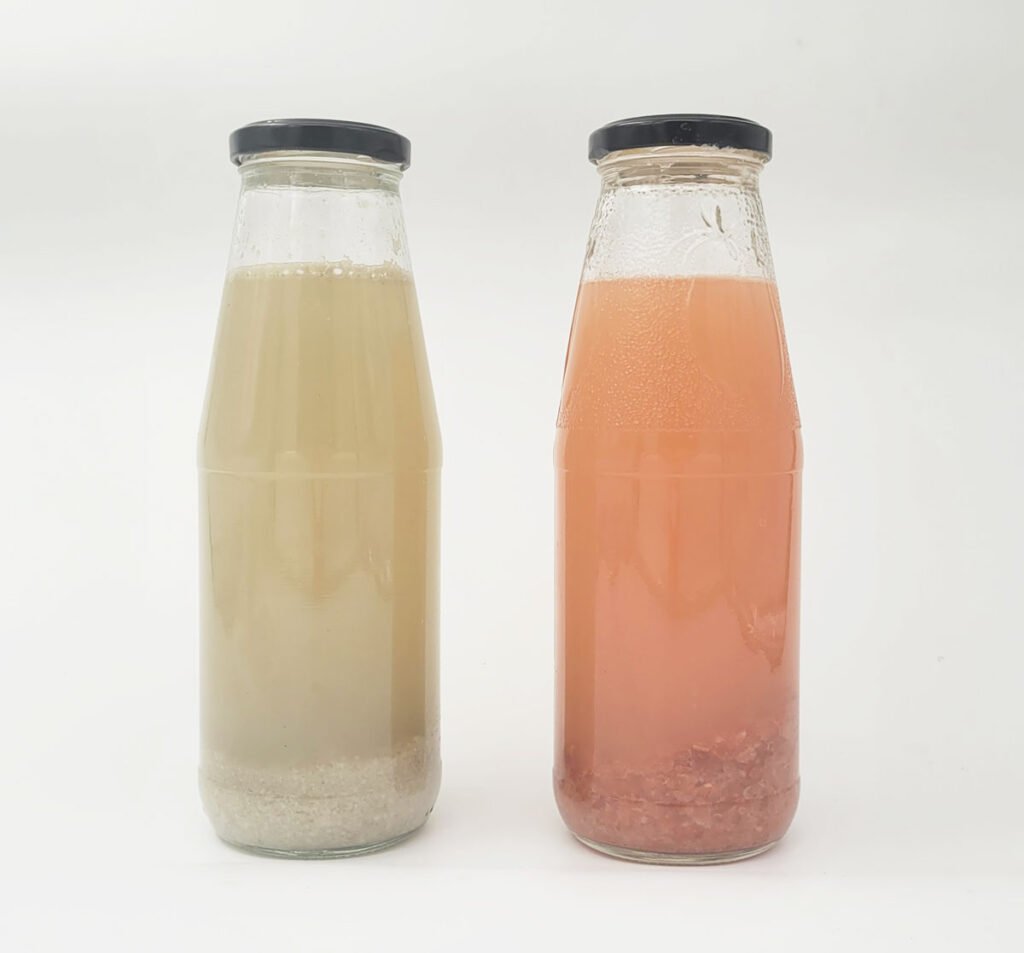
Sole water is the superior choice for achieving optimal hydration, as it combines water with the minerals essential for cellular health, helping deliver these minerals directly to your cells. Unlike simply adding salt to food or water, Sole water provides a balanced, bioavailable mix of electrolytes that enhances water absorption at the cellular level and supports crucial bodily functions, including detoxification, pH balance, and electrolyte stability.
Creating Sole water is simple and requires only two ingredients: high-quality, unrefined large salt crystals and filtered water. By dissolving natural salt in water until it reaches full saturation, you create a mineral-dense brine that’s easily absorbed and used by the body. Here’s how to make it:
- Prepare a Glass Jar
Use a non-reactive large glass jar (750ml – 1000ml works well )and fill about one-third with unrefined salt crystals. - Add Filtered Water
Fill the rest of the jar with filtered water, leaving a 5cm gap at the top to allow space to shake the solution. - Let It Sit
Cover the jar with a plastic lid (avoid metal lids as they may deionise the salt) and let it sit for 24 hours. Give your solution a good shake whenever you walk past it to speed up the dissolving process. Check if all salt crystals have dissolved; if so, add a few more crystals until some remain at the bottom, indicating full saturation. - Store Properly
Sole water doesn’t spoil, as salt has natural antibacterial and antifungal properties. Keep it on the counter or in a cupboard and it’s ready for daily use.
How to Use Sole Water

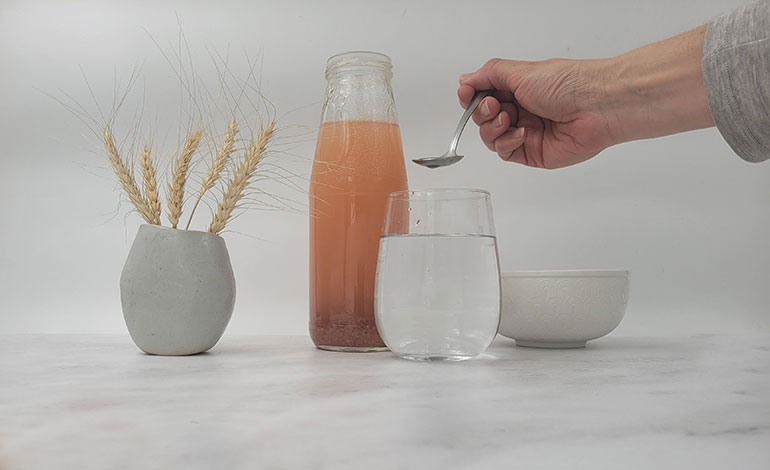
Add half a teaspoon of Sole water to a 250ml glass of filtered water. Sip slowly to allow the minerals to be absorbed fully. Listen to your body’s needs: if it tastes too salty, add more water; if it lacks flavour, you may need a little more Sole.
Your daily solution should not taste salty; it should have a slightly sweet taste and feel smooth in your mouth.
For exercise, your solution should be stronger to replace the minerals lost through sweating, which will make it taste salty. Depending on your hydration needs, you can increase the amount to up to 4 teaspoons of Sole per 250ml of water for an effective electrolyte boost during exercise.
Tips:
- Preferably, drink your Sole electrolytic fluid on an empty stomach to maximise absorption
- Drink Sole water gradually, rather than gulping it down, to improve absorption.
- For restful sleep, take a sip of Sole water with a small amount of raw honey before bed.
- Drink a glass of Sole water immediately upon rising in the morning to rehydrate and set yourself up for a great day.
Practical Tips for Hydration and Mineral Intake

Proper hydration is about balance. Drinking excessive amounts of plain water, especially without adequate minerals, can dilute bodily fluids and place stress on the kidneys. Following these tips can help you get the most out of your hydration:
- Drink When Thirsty: Listen to your body’s cues, especially after sweating, exercise, or heat exposure.
- Limit Caffeinated Drinks: Caffeine is a diuretic, increasing urination. For each caffeinated drink, aim to drink an extra glass of Sole water.
- Balance Salt Intake: If you follow a diet low in natural salts or high in processed foods, you may need to adjust your mineral intake. Regular use of Sole water helps achieve a natural balance.
- Ensure a Potassium-Rich Diet: To balance the increased sodium intake from Sole water, it’s important to consume potassium-rich foods. Examples include bananas, avocados, coconut water, sweet potatoes, spinach, and beans.
BUT IS CONSUMING SO MUCH SALT REALLY GOOD FOR YOU?
You will find that the conventional medical approach would say “No!” Medical doctors often advise patients to reduce their sodium intake, largely due to outdated research on the effects of sodium chloride (table salt), which has unfortunately given all forms of salt a bad reputation. This is because much of the early research focused primarily on the negative impacts of high sodium chloride consumption, such as its role in raising blood pressure and contributing to cardiovascular disease. However, much of this research overlooked important factors like the source and quality of salt, and how it interacts with the body’s mineral balance.
The Difference Between Sodium Chloride and Natural Salt
It’s important to understand that not all salts are created equal. Table salt (sodium chloride) is highly refined and stripped of essential minerals, leaving only sodium and chloride. In contrast, natural mineral-rich salts, like Himalayan pink salt or Celtic sea salt, contain trace minerals such as potassium, magnesium, calcium, and iron, which are vital for numerous bodily functions. These minerals work together in a synergistic manner to balance the effects of sodium in the body, reducing the negative impact that is often associated with over-consumption of refined salt.
Scientific Data Supporting the Benefits of Mineral-Rich Salt
Several studies have shown that the mineral content of natural salts plays a critical role in maintaining electrolyte balance, blood pressure regulation, and overall hydration. For instance, a study published in the Journal of Clinical Hypertension in 2016 found that the potassium in natural salts helps counterbalance sodium’s effect on blood pressure. The potassium-to-sodium ratio in natural salts can help maintain optimal heart and kidney function, preventing the spikes in blood pressure that are often linked to processed salt consumption.
Further research published in Nature Communications (2019) found that magnesium and potassium, both commonly found in natural salts, can enhance vascular health by improving endothelial function and preventing arterial stiffness—key factors in reducing heart disease risk. This is in stark contrast to the purely sodium chloride-based salt, which has been shown to contribute to arterial damage when consumed excessively without balancing minerals.
The Role of Natural Salt in Hydration and Detoxification
Additionally, the trace minerals in natural salts help with hydration at a cellular level. Sodium, in combination with potassium and magnesium, helps regulate the fluid balance in and around cells, enabling the body to absorb water more effectively and maintain cellular function. This is particularly important for detoxification processes. Without an adequate balance of electrolytes, the body’s ability to detoxify efficiently can be compromised, leading to issues such as fatigue, cramping, and poor kidney function.
The Bottom Line
Natural, minerally balanced salts, when consumed in moderation, offer numerous health benefits. They help maintain a healthy fluid balance, support proper digestion, regulate blood pressure, and aid in detoxification. While it is true that excessive consumption of refined sodium chloride can be harmful, incorporating high-quality, mineral-rich salts into your diet may actually support overall health.
Debunking the Misconception That Sodium is Bad for You
The misconception that sodium is inherently harmful stems from outdated research focusing on excessive sodium chloride (table salt) consumption, often without considering the broader context of its role in the body. In reality, sodium is an essential mineral that plays a critical role in maintaining fluid balance, supporting nerve function, and regulating blood pressure. Sodium is a key electrolyte, and a proper balance of electrolytes—sodium, potassium, calcium, and magnesium—is necessary for optimal cellular function and overall health. According to a study published in The Lancet (2016), a deficiency in sodium can be just as dangerous as excessive intake, leading to an increased risk of cardiovascular events and other health complications. Sodium helps regulate osmotic pressure in cells, ensuring that fluid is maintained in the correct compartments of the body. Moreover, research shows that consuming sodium in the form of mineral-rich salts, like Himalayan or Celtic sea salt, can provide not only sodium but also crucial trace minerals that support hydration and cardiovascular health. The key is balance—sodium is essential for health when consumed in moderation and alongside other necessary minerals, and it is the overconsumption of refined salts devoid of minerals that poses a health risk.
To put this into perspective, one teaspoon of a saturated sea salt sole solution provides roughly 23% of the RDA for sodium, demonstrating that moderate, mindful consumption doesn’t lead to an overload. Additionally, RDAs are based on minimum values to prevent deficiency-related diseases; ideally, optimal intake levels for sodium and other electrolytes would be higher to promote robust health and bodily function. According to the American Journal of Medicine (2015), daily sodium intake within a range of 2,300 to 5,000 mg may actually reduce cardiovascular risks, challenging the conventional low-sodium recommendations.”
Final Thoughts: A Holistic Approach to Hydration
Water alone is not enough to fully hydrate and nourish our cells. By incorporating Sole water into your routine, you’re not just drinking water—you’re providing your body with a balanced, natural source of minerals that promotes cellular hydration, supports detoxification, improves mental and physical performance, and nurtures skin and digestive health. This simple practice can make a profound difference in your energy levels, cognitive clarity, and overall health.
Choose to go beyond water with Sole water, and take a proactive step toward optimal hydration, mineral balance, and vitality. Embrace the simplicity and power of combining quality salt and water, and let it transform your health journey.
Disclaimer: The information provided in this article is purely educational and not intended to diagnose, treat, or cure any medical conditions. Your health is your own responsibility, and it is essential to do your own research. Before making any changes to your diet or lifestyle, including the use of Sole water, it is recommended that you consult with a progressive natural health professional to determine if it is suitable for your current health condition. Individuals with certain health conditions, such as high blood pressure, kidney disease, heart disease, or edema, should exercise caution and seek medical advice before increasing sodium intake.
References:
- Berg, Dr. Eric. The Importance of Sodium in Your Diet. Instagram Reel. Accessed 12 November 2024.
- How to Remineralize RO Water with Himalayan Salt. Mayu Water. Mayu Water. Accessed 12 November 2024.
- Sodium and Potassium Balance: A Delicate Equation. Mercola. Mercola. Accessed 12 November 2024.
- Healthy vs Unhealthy Salts. Living Springs Retreat. Living Springs Retreat. Accessed 12 November 2024.
- Salt & Water – Barbara O’Neill. YouTube. YouTube. Accessed 12 November 2024.
- Langre, Jacques. Seasalts Hidden Powers. 91st ed., Health Press, 2010.
- Stone, Matt. Eat For Heat: A Metabolic Approach to Food and Drink. Book Publishing, 2014.
- Reddy, M., & Harper, J. (2018). Electrolyte Imbalance and Its Impact on Cardiovascular Health. Journal of Clinical Hypertension, 20(7), 1002–1010. DOI: 10.1111/jch.13365.
- The Role of Sodium in Body Function and Health. National Institutes of Health. NIH. Accessed 12 November 2024.
- Mente, A., O’Donnell, M. J., & Yusuf, S. (2014). Dietary Sodium Intake and Cardiovascular Risk: A Systematic Review and Meta-Analysis of Prospective Studies. The Lancet, 383(9931), 2209-2224. DOI: 10.1016/S0140-6736(14)60374-7.
- Batmanghelidj, F. You’re Not Sick, You’re Thirsty! 2nd ed., Global Health Solutions, 2008
12. O’Donnell, M., Mente, A., & Yusuf, S. (2015). Sodium intake and cardiovascular health. The American Journal of Medicine, 128(3), 284-293.