

Indulging in an occasional cheat meal is about striking a balance between satisfying your soul and safeguarding your health. Life is meant to be enjoyed, and a treat here and there can be part of a sustainable health journey – IF you plan it smartly! Understanding what you eat, when you eat it, and how you pair and support it will allow you to minimise the negative impact on your body.
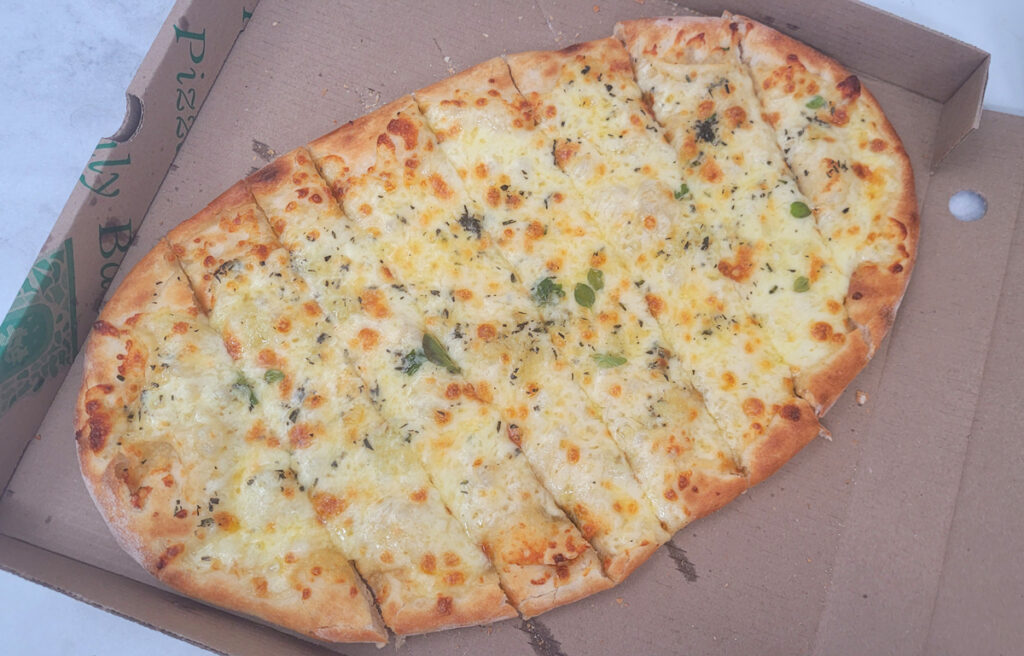
For me, my favourite cheat meal is a take-out cheesy garlic sourdough focaccia. Normally, wheat and gluten have no place in my diet. But once a month, I allow myself this indulgence because nothing compares to its perfect nutty crunch and crispy dough. The trick? I enjoy it completely guilt-free and symptom-free by handling it with intention. Here is how I do it…
A Disclaimer
This is not about convincing you that my cheat meal is healthy. It’s not! It’s a treat – one meal in a month – that I allow to prevent a deprivation mindset from setting in. I’m strict for the other 89 meals of the month. If I indulged in this meal weekly, my body would surely warn me with symptoms and it would not be worth it
The key is occasional indulgence combined with intelligent planning to mitigate adverse effects.
1. The Vinegar Hack
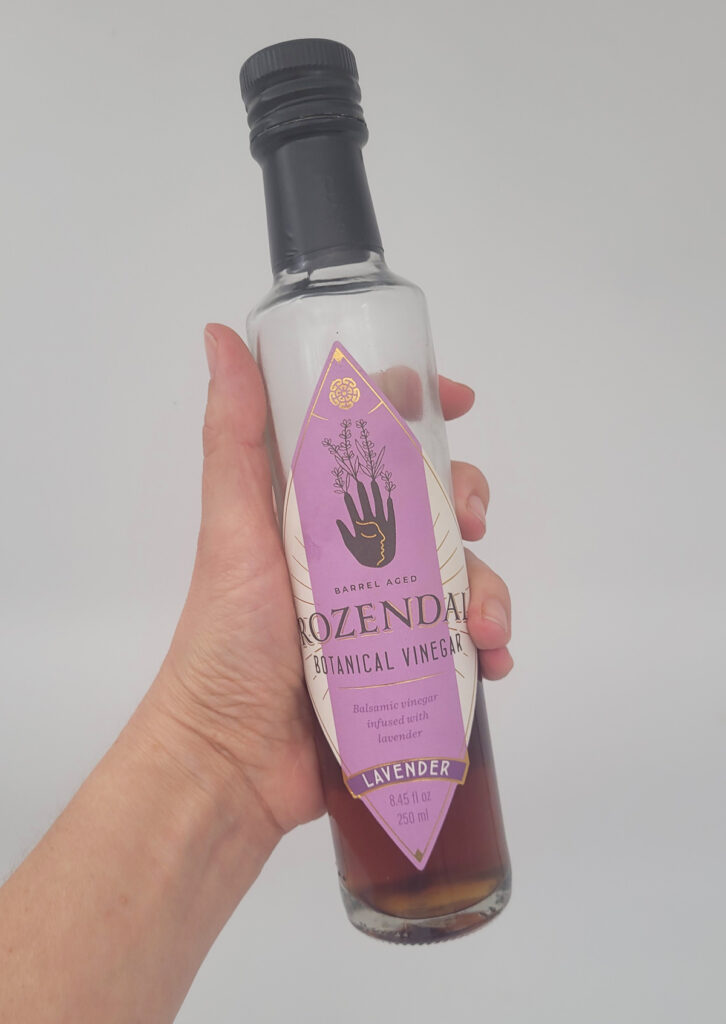
Before your meal, drink a vinegar-based aperitif to reduce your blood sugar spike. Acetic acid in vinegar slows down the insulin response by up to 35%, which is significant for managing glucose spikes.
- Mix 2 tablespoons of preservative-free apple cider vinegar (or quality vinegar of choice) with water to taste.
- If you forget, you can also take it immediately after your meal.

Side Note: Why Glucose Spikes Matter Big Time!
Why does this matter? High glucose spikes stress the body, even for those without insulin resistance or diabetes. Learn how to manage your blood sugar protects your metabolic health from young for long term vitality.
Glucose spikes aren’t just a problem for people with diabetes or insulin resistance – they impact EVERYONE! What goes up must come down, and the quicker and higher your blood sugar climbs, the bigger the crash that follows. These sharp rises and drops can leave you feeling tired, irritable, and craving more sugar or refined carbs. Over time, frequent glucose spikes contribute to inflammation, weight gain, energy crashes, poor concentration, and hormonal imbalances. They can also increase your risk for chronic diseases like cardiovascular issues, type 2 diabetes, and even cognitive decline. Striving for stable blood sugar helps you feel energised, focused, and balanced throughout the day, allowing you to perform at your best and maintain long-term health.
2. Start with a Salad
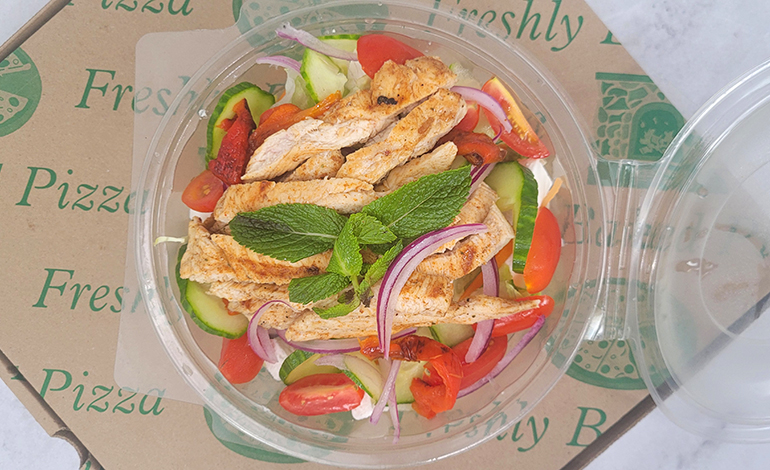
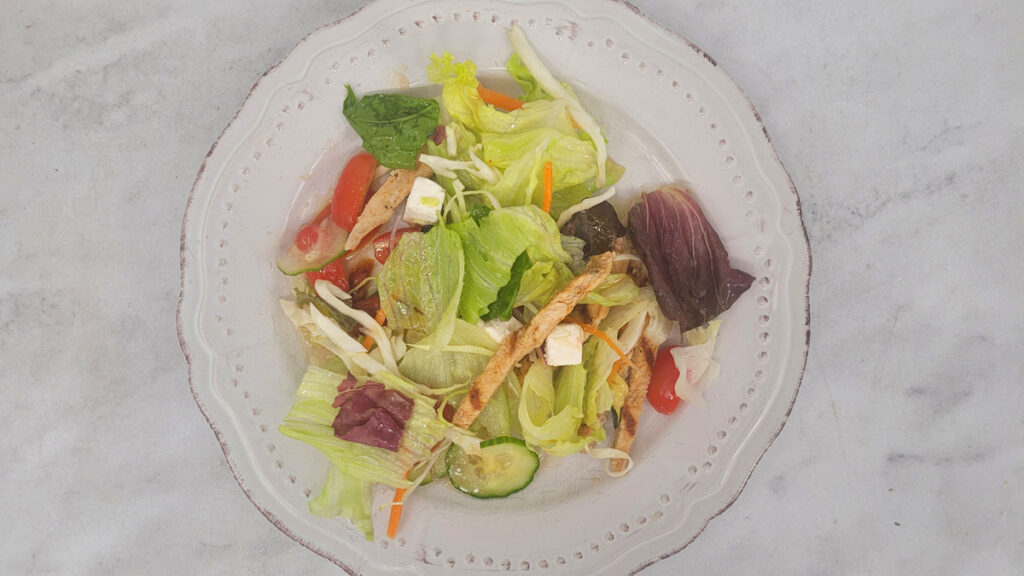
Before indulging, eat a fibre-rich salad starter. Fibre forms a ‘mesh’ in your stomach, slowing glucose absorption and helping flatten the blood sugar spike.
- Skip commercial dressings as they often contain inflammatory seed oils and chemicals. Instead, ask for olive oil and balsamic vinegar on the side. More vinegar = more glucose support!
- This simple step develops your understanding of how food order can impact your health.
3. Support Digestion
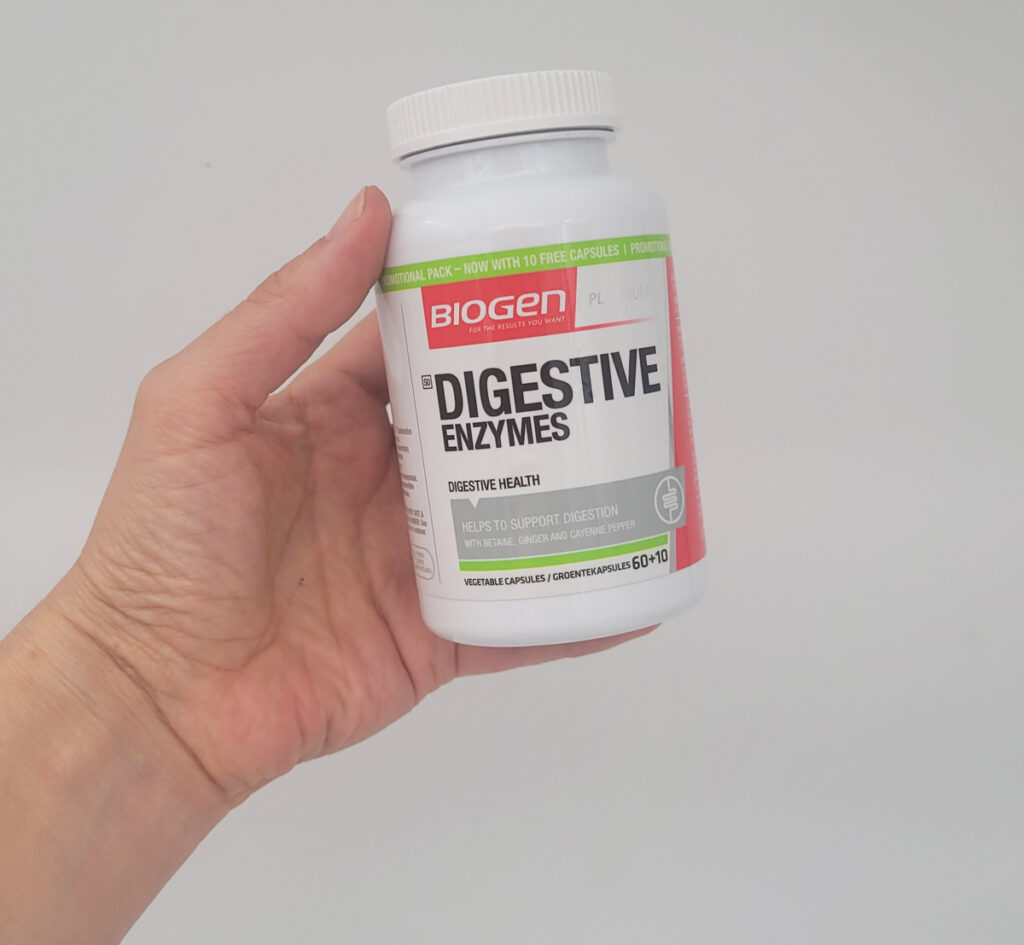
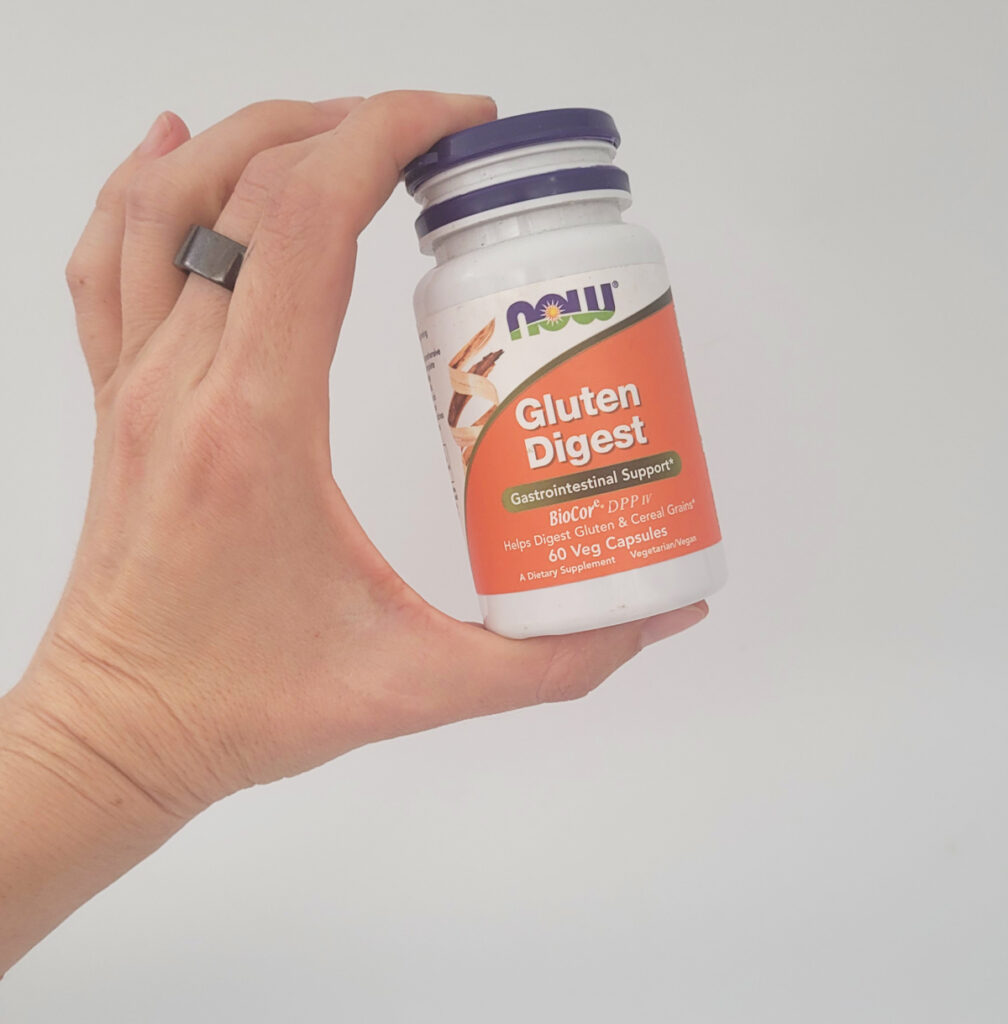
Cheat meals, especially pizza or focaccia, are tough on digestion. To avoid symptoms like bloating, heartburn, and discomfort, I take digestive enzymes and a gluten-digest supplement before my meal. Even if you think you tolerate gluten well, these supplements help preserve your gut health.
4. Quality Matters
Not all focaccias (or pizzas) are created equal. I avoid low-quality, mass-produced meals that use poor ingredients like:
- Inflammatory seed oils
- Additives and preservatives
- GMO, ultra-processed wheat
Instead, I choose a top-quality restaurant that uses:
- Authentic sourdough pizza dough: Fermentation pre-digests the gluten, making it much lighter on the gut.
- Stone-milled flour: Higher quality and minimal processing.
- Simple ingredients: Olive oil, garlic, herbs, and quality mozzarella.
The result? A meal that, while indulgent, is easier to digest and significantly less toxic.
5. Less is More
I keep it simple. My focaccia has mozzarella, garlic, herbs, and olive oil — no heavy toppings or complex combinations.
Why?
- Cured meats and heavily processed toppings are loaded with nitrates, sugars, and chemicals that add to your body’s toxic burden.
- Simpler meals are easier to digest, which means fewer symptoms.
6. Timing Matters
When you eat your cheat meal matters as much as what you eat:
- Lunch is ideal: By lunchtime, your blood sugar is stabilised, and your body is better equipped to handle a challenging meal. Avoid eating it at night, as your gut will struggle to digest it while you sleep, compromising your rest and repair processes.
- Avoid cheat breakfasts: Morning blood sugar is unstable, and cortisol is high – a metabolic disaster waiting to happen.
- Dessert? Post-lunch only: If your cheat is something sweet, never eat it alone or on an empty stomach. Pair it as a dessert after lunch to reduce the glucose spike.
7. Move After Your Meal
After indulging, movement is your best ally for blood sugar management:
- Walk, bounce on a rebounder, or engage in light activity.
- Avoid sitting or napping immediately after.
This helps burn excess glucose and prevents it from lingering in your bloodstream.
8. Hydrate Well
Cheat meals are often high in sugar and salt, which can strain your system. Increase your water intake and consider adding electrolytes to help flush toxins and support hydration.
The Bottom Line
If you plan your cheat meals with intention, you can enjoy occasional treats guilt-free and symptom-free. Indulging unprepared and on the fly will do far more harm to your body. Remember, occasional is the key word here. If you’re cheating more often than not, you’re setting yourself up for long-term health consequences.
Develop self-control, mindfulness, and knowledge. Learn what your indulgence does to your body, make the cleanest possible choice, and implement these hacks to help your body handle it better.
A Note on Wheat and Gluten
For the most part, I exclude wheat and gluten because they are highly inflammatory and often contaminated with glyphosate (a harmful pesticide). My body reacts with autoimmune symptoms when I consume them – especially if I were to eat poor quality ultra-processed options. However, some individuals cannot cheat with wheat at all – their indulgence might be a cookie, a piece of chocolate, or something else.
Whatever your treat may be, take the time to understand it. If it’s high-glycaemic, apply the vinegar, fibre, and movement hacks to minimise its impact. If you’re craving fried foods like French fries or chicken nuggets, learn to make them at home in the air fryer using healthy fats – there’s no safe way to mitigate the dangers of trans fats from deep-fried foods cooked in seed oils. Choose the cleanest, highest-quality version of your treat and enjoy it with intelligence and intention.