

If you have a collection of dried herbs and spices in your pantry, you not only possess remarkable ingredients that can add depth of flavour to your meals; you also have a natural medicine cabinet at your disposal. Long before the development of modern medicine, herbs and spices were highly valued for their ability to help individuals resist disease and maintain good health. Although the essential nutrients, antioxidants, and health-enhancing phytochemicals contained within these plants had yet to be isolated or scientifically identified, their benefits were well recognised.
Just a few generations ago, people thrived without the advantages of modern technology, clinical trials, or laboratory experiments. Yet they understood intuitively that herbs and spices could enhance food’s digestibility and prolong its freshness. Ancient civilisations prescribed various herbs and spices in both foods and medicines for an array of purposes: treating infections, relieving pain, cleansing wounds, calming nervous tension, easing digestion troubles, aiding sleep quality, and purifying the air around them.
Incorporating these natural remedies into our diets can not only elevate our culinary experiences but also contribute significantly to our overall well-being. Embracing this knowledge allows us to honour traditional practices while enhancing our modern lifestyles with the potent natural benefits that are provided to us through these remarkable plants.

LET SCRIPTURE SPEAK:
“He causeth the grass to grow for the cattle, and herb for the service of man: that He may bring forth food out of the earth.”
Psalm 104:14 KJV
This excerpt from the Psalms, is a beautiful picture of God establishing a perfectly balanced and harmonious ecosystem of nutritional provision for man.
Herbs and spices are not merely flavour enhancers; they are gifts from God that offer remarkable nutritional, medicinal, and culinary benefits. The vast array of edible plants available worldwide is truly astounding. In their natural, pure form, these ingredients serve humanity in ways that processed alternatives simply cannot match. While we readily acknowledge the importance of fruits and vegetables as cornerstones of a healthy diet – packed with essential nutrients, fibre, and antioxidants – it is equally vital to recognise the often-overlooked role of herbs and spices.
ANTIOXIDANTS:
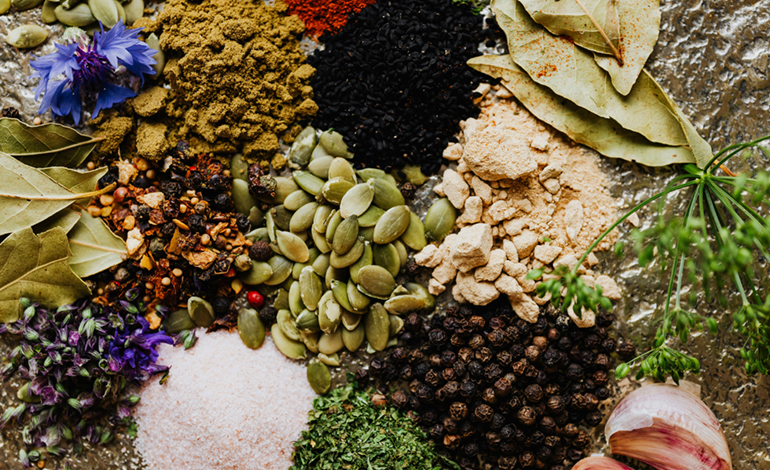
When it comes to the quest for antioxidants, many people often turn to fruits and vegetables as their primary sources. However, it is essential to recognise that in many instances, herbs and spices are much richer in protective antioxidants than their more commonly consumed counterparts. For example, herbs like oregano and rosemary have been found to contain significantly higher levels of antioxidant compounds compared to many fruits and vegetables. This remarkable potency can be attributed to the concentrated nature of the Phytonutrients they contain. Incorporating a variety of herbs and spices into your diet can therefore be an effective way to boost your antioxidant intake and support your metabolic health.

THE LOSS OF ANCIENT WISDOM:
Unfortunately, modern society has seen a significant decline in appreciation for these natural flavourings. Many have become accustomed to artificial seasonings laden with chemicals that bear little resemblance to their wholesome counterparts. As a result, we risk losing not only the culinary art involved in combining diverse flavours but also the powerful nutritional and protective properties inherent in herbs and spices.
Embracing these natural gifts allows us to reconnect with our culinary heritage while enhancing our health. By incorporating more herbs and spices into our meals – whether through traditional recipes or innovative dishes & techniques – we can honour this divine provision while enriching our diets with their myriad benefits. It’s time to revive this ancient knowledge and celebrate the amazing potential that lies within God’s pantry.

DISCOVER OIL INFUSIONS:
One of our favourite ways to elevate the culinary, nutritional, and medicinal benefits of our meals is to make our own D.I.Y oil infusions. Oil infusions are simply made by steeping plant material in oil to extract the beneficial compounds, resulting in a product that enhances both flavour and health benefits of our food. The process is remarkably straightforward and requires no special equipment, making it accessible for anyone interested in exploring herbal remedies or gourmet cooking at home. Unlike essential oils, which are highly concentrated and typically require dilution before use, infused oils can be used directly. They serve a variety of purposes – from therapeutic massage oils that soothe sore muscles to delightful culinary dressings that add depth to your dishes. Additionally, infused oils can be combined with beeswax to create nourishing balms or incorporated into natural lotions for added skin benefits.
PRESERVE THE PUNCH:
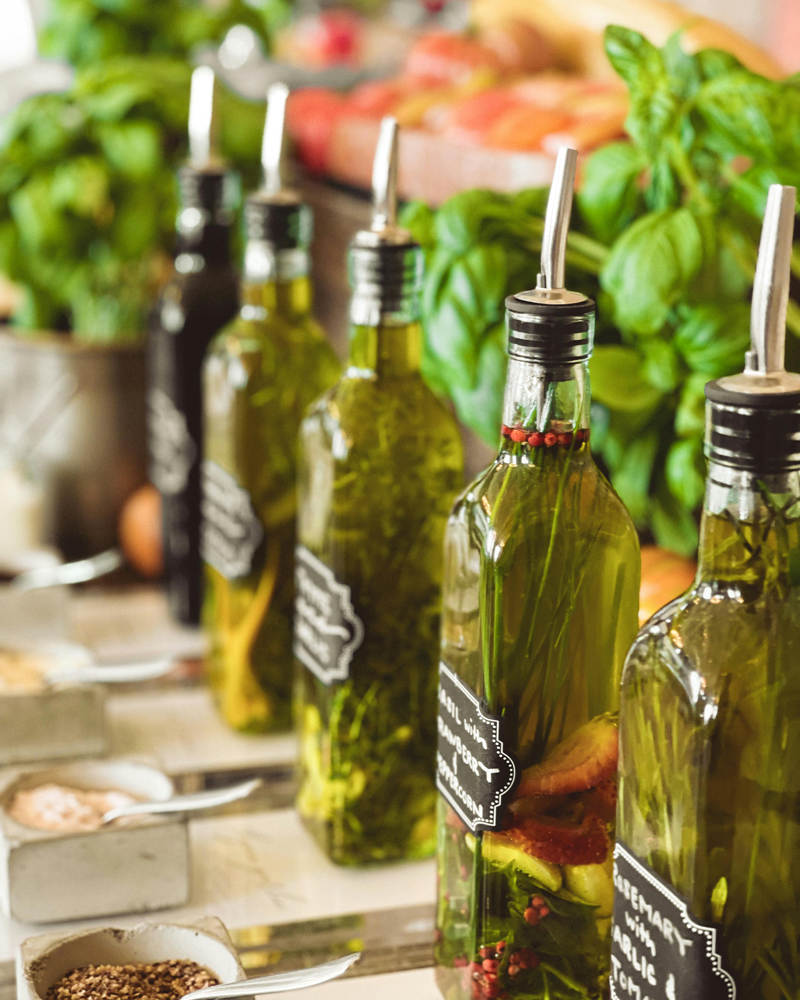
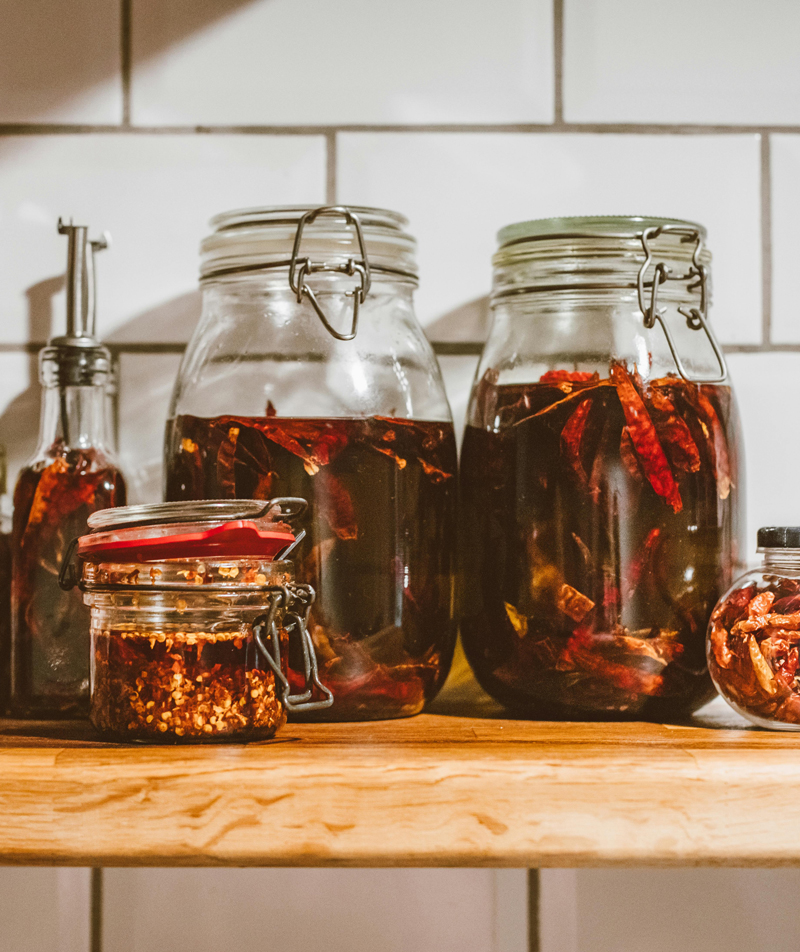
When considering oil infusion options, it’s essential to understand their shelf life and the factors that influence it. Infused oils will generally last for about a year if stored in a cool, dark place; however, it’s important to note that their potency may decrease over time, and there is a risk of them going rancid. In our household, we find these oils so delicious that we tend to use them up quickly, preventing any spoilage.
To ensure the best quality and longevity of your infused oils, we recommend making smaller batches – especially during the heat of summer – and storing them in the fridge. This practice helps maintain their freshness and flavour.
FRESH VS DRY VS PRESERVED:
When it comes to cooking, the choice between fresh and dry herbs often depends on the dish and the desired flavour profile. We personally tend to add fresh herbs to soups and salads, where their vibrant flavours and textures can truly shine. Herbs such as basil, parsley, and coriander not only enhance the taste but also add a fresh visual appeal to any plate.
In addition to salads, we love using fresh herbs to make pesto. The bright green colour and aromatic quality of freshly picked basil create a delightful sauce that elevates pasta dishes or serves as a delicious dip.
You can use either fresh or dried herbs for your oil infusions, each with its own set of advantages and disadvantages. Fresh herbs are often more potent in medicinal compounds; however, their moisture content can lead to mould growth if not managed properly. On the other hand, while dried herbs may lose some of these beneficial compounds during the drying process, they tend to last longer without the same risk of spoilage. Ultimately, choosing between fresh or dried herbs will depend on your specific needs and how quickly you plan to use your infused oils.
HERB INFUSED SALT:
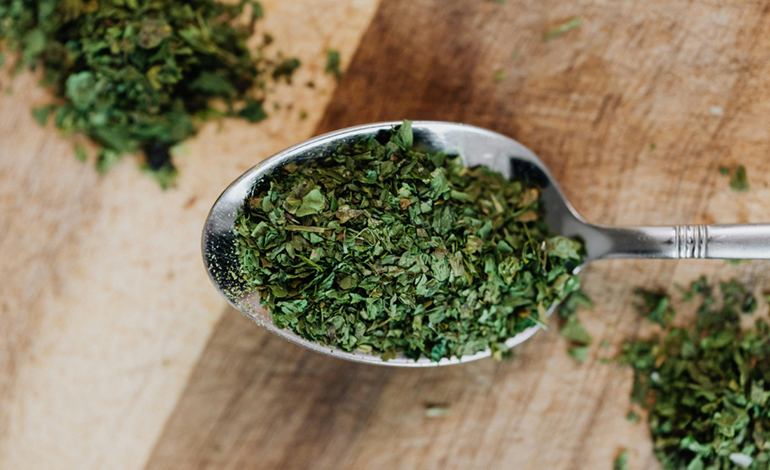
Another delightful method to savour herbs is by creating or purchasing your own herb-infused salt, commonly referred to as ‘Herbes Salée’. This process involves blending fresh herbs with salt, which effectively preserves the vibrant flavours and freshness of the herbs while adding a salty zest. The resulting crunchy and moist herbal salt mixture which is exceptionally tasty when sprinkled over meats and vegetables alike.
FROZEN HERBS:
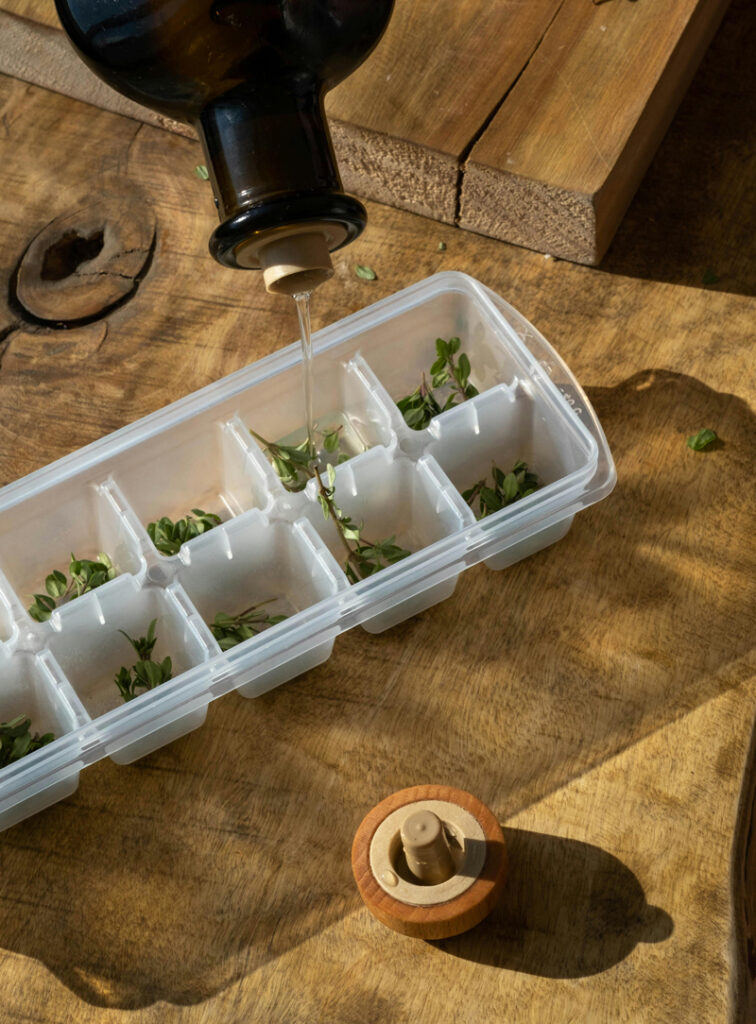
One effective method for preserving small quantities of fresh herbs, that we cannot use immediately, is by freezing them in ice cube trays, combined with olive oil or avocado oil. This technique not only prevents waste but also ensures that the herbs remain vibrant and flavourful for future culinary creations. By using this approach, we can enjoy the benefits of fresh herbs long after their peak season has passed.
DID YOU KNOW?
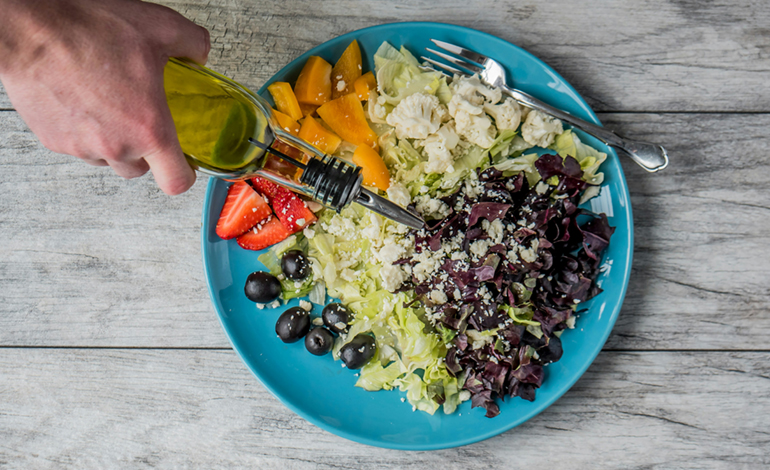
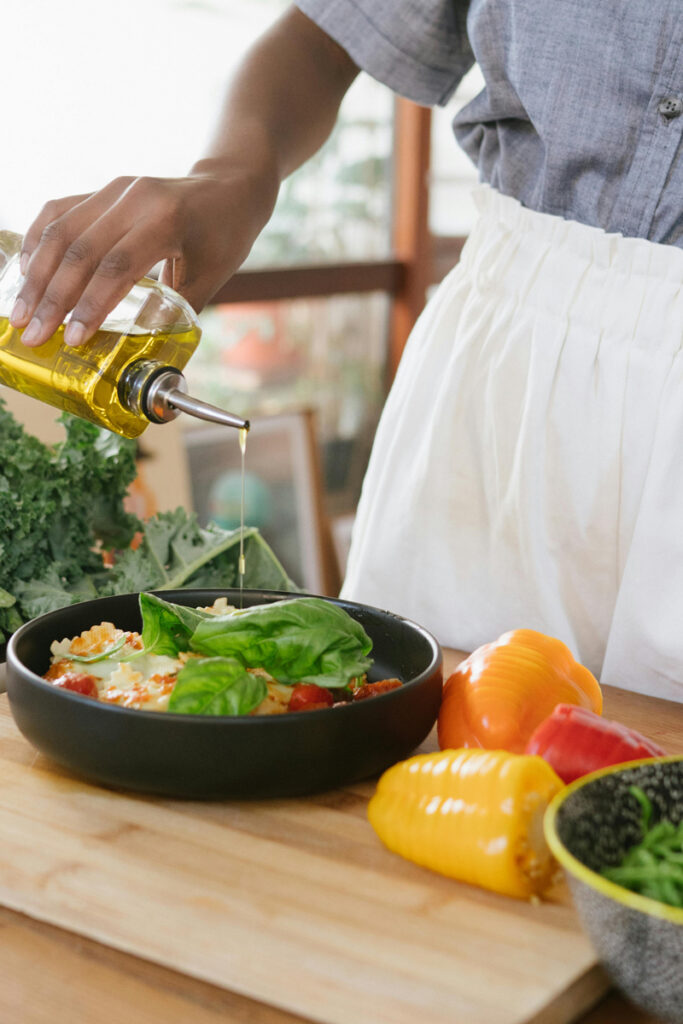
Incorporating fresh, healthy oils into your meals is crucial for maximising nutrient absorption. Using olive oil, whether as a dressing or simply drizzled over your dishes, significantly enhances the uptake of essential fat-soluble nutrients like vitamins A, D, E, and K, as well as lycopene and beta-carotene. Consuming a salad without any dressing means you are primarily benefiting from fibre and antioxidants only; however, the healthy fats from olive oil are necessary to make these vital nutrients bioavailable to your body. It’s important to remember that the quality of the oil matters immensely – opt for cold-pressed, organic, extra virgin olive oil in a dark glass bottle to ensure you’re making the healthiest choice for your wellbeing.
ROSEMARY, OREGANO & SWEET BASIL DEEP DIVE:
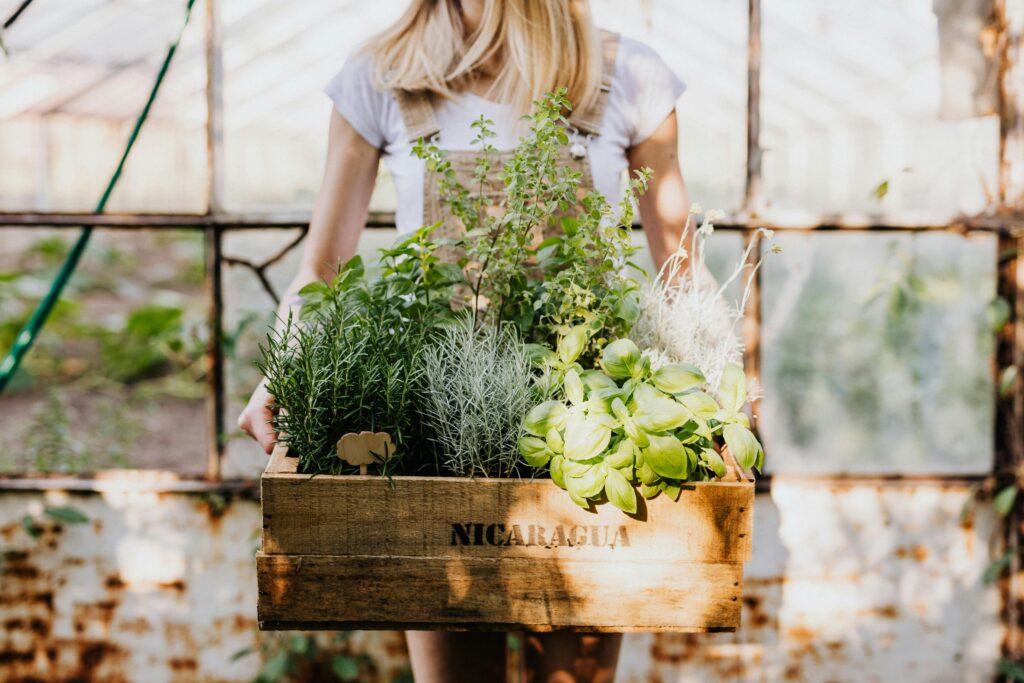
In this section, we will delve deeper into the remarkable properties of the dried herbs we recently used to make our own batch of oil infusions: dried Rosemary, Oregano, and Sweet Basil.
By focusing on only these three herbs, we aim to ignite your curiosity about the culinary and medicinal potential of herbs and spices in general. Each herb offers a unique array of flavour and health benefits that can enhance your cooking and well-being. While we spotlight these specific herbs, we encourage you to explore the vast world of herbs and spices available to you – conducting your own research can reveal a wealth of health advantages and flavour profiles waiting to be discovered.
ROSEMARY:
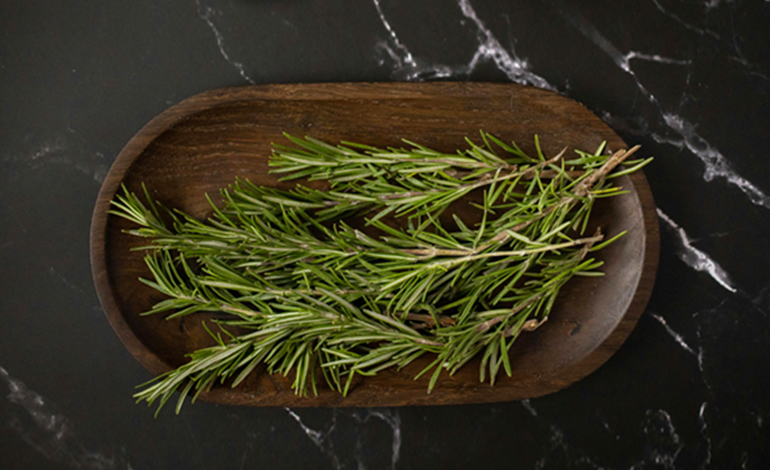
Rosemary is a powerful herb used traditionally to aid circulation, digestion and nerve functions.
FLAVOUR AND AROMA:
Rosemary is renowned for its intense flavour and aroma, characterised by a strong camphor-like quality that can add depth to various dishes. Due to its potent flavour profile, it’s advisable to use rosemary in moderation, as it can easily overpower other ingredients. To make the most of this herb, remove the leaves from the stems and chop them finely before adding them to soups, marinades, and sauces. Cooking rosemary rather than using it raw allows its robust flavour to meld beautifully with other components in your dish. This herb excels in creating aromatic vinegar and oil infusions, making it an excellent choice for marinades that gently enhance meats and vegetables without overwhelming their natural flavours. Personally, I find the combination of rosemary and garlic particularly delightful; however, this versatile herb also pairs wonderfully with balsamic vinegar, braised meats, broths, potatoes, hearty vegetables, breads, citrus fruits, beans, cheese, and olives – making it a staple in both traditional and contemporary cooking.
THERAPEUTIC PROPERTIES:
Rosemary, a versatile herb with a rich history of use, boasts numerous therapeutic properties that contribute to both physical and mental well-being. Renowned for its anti-inflammatory and nervine qualities, rosemary can effectively alleviate stress-induced digestive issues by enhancing the necessary fluids for digestion and detoxification. Its ability to support the circulatory system is notable; by increasing blood flow to the brain, rosemary aids in improving memory and focus while also easing tension headaches. Furthermore, the volatile oils found in rosemary possess antimicrobial actions that can combat symptoms of colds and flu.
In addition to its physiological benefits, rosemary serves as an excellent tonic for recovery after illness or periods of low energy. Simply inhaling fresh leaves or drinking rosemary infused tea can invigorate mental clarity.
Emerging research suggests that rosemary may promote internal antioxidant activity, making it increasingly favoured for addressing chronic inflammatory conditions such as fibromyalgia, post-viral syndromes from COVID-19, chronic fatigue syndrome, Epstein-Barr syndrome, Lymes disease, clinical depression, and even early signs of dementia. Regular intake of rosemary tea is thus recommended for managing these complex health issues.
Historically rooted in European herbal medicine, rosemary has long been utilised to address digestive concerns such as bloating & flatulence. It plays a significant role in supporting liver function and mitigating the effects of heavy fatty meals.
With its myriad therapeutic benefits, incorporating rosemary into one’s diet can be a simple yet effective way to enhance overall health and well-being.
OREGANO:
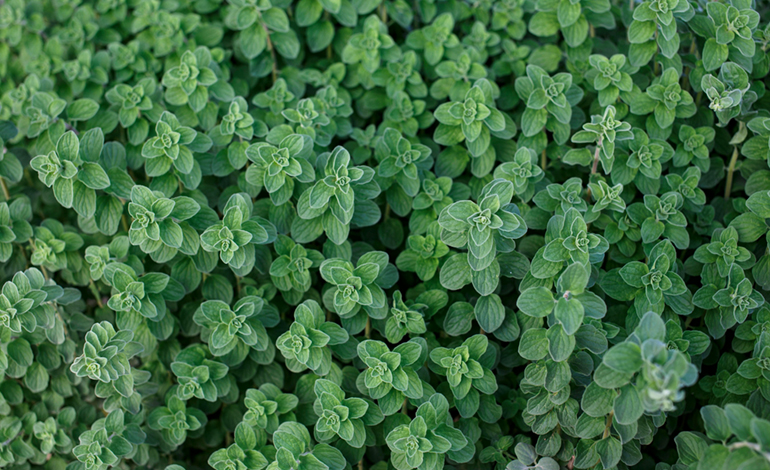
Oregano is a cherished herb commonly found in Mediterranean cooking, renowned for its robust flavour and aromatic qualities. Beyond its culinary uses, oregano serves as a potent medicinal plant, backed by substantial research demonstrating its antibacterial, anti-parasitic, and anti-fungal properties.
FLAVOUR AND AROMA:
Oregano is a remarkably aromatic herb that exudes warmth and pungency, classifying it within the mint family. This herb presents a complex profile with earthy, green, and minty undertones. When brewed as an infusion or tea, oregano offers a delightful and refreshing experience, characterised by subtle bitter notes and a slightly astringent finish.
Oregano is an exceptional herb that significantly elevates the taste of numerous dishes, making it a beloved staple in our kitchen. We particularly enjoy incorporating it into salad dressings and marinades, which truly enhances the flavour profile of our meals. While oregano can certainly be used in cooking, we prefer to utilise it in its raw state by infusing it into oil. Consuming fresh oregano can be quite intense and may not always be pleasant; however, when infused, the flavour becomes more subdued while still retaining its robust nutritional and medicinal benefits.
Oregano pairs particularly well with ingredients such as tomatoes, pizza, sourdough bread, artichokes, chicken, fish, lamb, lemon, citrus fruits, olives, pasta, baby marrow, and summer squash – Mediterranean diet here we come!
THERAPEUTIC PROPERTIES:
Oregano is renowned for its therapeutic benefits, particularly as an effective expectorant. Its warming and drying properties can aid in alleviating symptoms associated with coughs and colds. Historically, oregano’s antimicrobial qualities made it a valuable preservative for food during ancient Roman times, highlighting its role in supporting a healthy immune system. Furthermore, oregano is rich in various vitamins and minerals such as iron, calcium, magnesium, potassium, omega-3 fatty acids, and vitamins A, C, K, and E—all of which contribute to overall well-being.
Oregano offers a range of therapeutic benefits for digestive health, primarily due to its potent antioxidant properties. It plays a crucial role in supporting the microbiome, notably by helping to manage candida overgrowth. This versatile herb is often employed to alleviate mild gastrointestinal issues such as bloating and flatulence, enhancing overall digestive function and nutrient absorption. Its antispasmodic properties also make it effective in relieving intestinal cramping. Furthermore, many culinary herbs like oregano exhibit prebiotic-like effects, which are vital for fostering the growth of beneficial bacterial species within the gut microbiome. Coupled with its specific antibacterial attributes, oregano significantly contributes to maintaining microbial balance and overall health within the digestive system. Oregano can be consumed in various forms to aid digestive relief. It can be enjoyed fresh or dried, typically prepared as an infusion (tea) for mild digestive issues. For a stronger medicinal impact, one might consider taking a tablespoon of herbal oil infusion derived from oregano. This versatility allows individuals to choose the method that best suits their needs while harnessing the beneficial properties of this herb.
Research has shown that oregano, along with its chemical constituents, exhibits antibacterial properties against 30 distinct human pathogenic organisms. This includes well-known bacteria such as E. coli and Salmonella species, as well as Staphylococcus species and Giardia parasites. The therapeutic benefits of oregano highlight its potential role in combating various microbial infections, making it a valuable addition to both culinary and medicinal applications.
Oregano is one of the most extensively studied natural remedies for treating infections. It can be transformed into an ointment for external use by combining infused oil with a firmer wax or by blending oregano essential oil with a suitable carrier oil. The topical application of this oregano ointment can aid in the healing process while also minimising the risk of infection in minor wounds, cuts, or grazes.
Furthermore, it is effective against fungal infections such as ringworm, athlete’s foot, and toenail fungus when applied to the affected area. Research has even indicated that oregano possesses local antiviral properties when used topically, making it beneficial for viral skin infections. Additionally, using oregano as a mouthwash can enhance oral health due to its antimicrobial and anti-inflammatory properties, particularly in cases of infection or gingivitis.
Oregano is recognised for its tonic properties that supports respiratory health, particularly in relation to conditions affecting the upper respiratory tract. It can be utilised as an ointment or nasal spray to alleviate irritation of the skin around the nostrils. Prepared nasal sprays containing oregano are available at health food stores or online. For topical application or steam inhalation, boiling water can be poured over either fresh or dried oregano, or even its essential oil. An oregano ointment applied around the nose and adjacent skin – taking care to avoid contact with the eyes – can provide gentle relief from upper respiratory infections. Additionally, consuming oregano as a tea or tincture may assist in treating common cold symptoms by targeting the underlying infection and promoting a quicker recovery.
NOTE:
Oil of oregano, often referred to as an oregano oil infusion, is created by infusing oregano into a carrier oil, typically olive oil. This version is quite pungent and is generally considered safe for internal consumption; it can often be found in capsule form at independent health food stores.
In contrast, oregano essential oil should not be taken internally, as it is much more concentrated and potent than oil of oregano. It’s crucial to distinguish between the two to ensure safe usage and to maximise the benefits they offer.
SWEET BASIL:
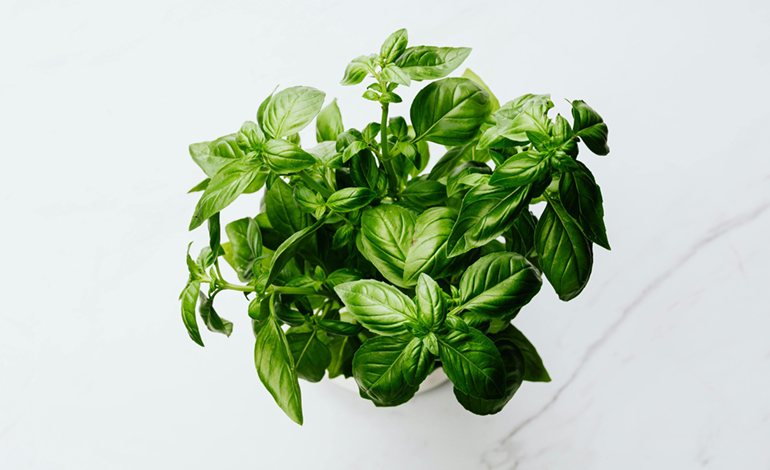
Basil, often referred to as the ‘king of herbs’, is a cherished kitchen staple renowned for its widespread appeal. Sweet basil (Ocimum basilicum), a member of the mint family, is integral to numerous Mediterranean dishes, especially within Italian cuisine. This versatile herb serves as a key ingredient in pesto and imparts a unique flavour to an array of dishes including salads, pasta, and pizza. Additionally, sweet basil holds significant importance in Indonesian, Thai, and Vietnamese cooking, showcasing its global culinary relevance.
FLAVOUR AND AROMA:
Basil boasts a quintessentially aromatic and herby flavour profile that is both fresh and invigorating, characterised by subtle notes of citrus and pine. Its mildly pungent quality contributes to its reputation as an uplifting herb, offering a delightful taste experience that enhances a variety of dishes.
THERAPEUTIC PROPERTIES:
Sweet basil is primarily recognised as a culinary herb, yet it offers numerous nutritional advantages, including essential vitamins, minerals, and a variety of antioxidants. This herb is rich in aromatic oils that positively influence our nervous and digestive systems. Consuming basil as a tea or tincture can help alleviate nervous irritability and stress, while also addressing digestive concerns.
Often regarded as a natural remedy for digestive issues related to stress and anxiety, incorporating basil into your cooking can significantly aid digestion and enhance nutrient absorption. However, when a more potent effect is necessary, higher medicinal doses may be required beyond what is typically used in food preparation.
Thanks to its antioxidant properties and cardio-protective benefits, basil promotes improved peripheral circulation as well as blood flow to the brain. Its uplifting nervine qualities may be attributed to its support for circulation within the central nervous system.
Integrating herbs like basil into our daily routines provides an array of health benefits. The aromatic compounds found in basil serve as effective cellular protectors with anti-ageing effects. As a daily tonic, basil can contribute to an enhanced sense of well-being and vitality.
HOW TO PREPARE YOUR OWN HERBAL OIL INFUSIONS:
OIL INFUSION METHODS:
The “hot” method involves using increased temperatures to expedite the extraction of herbal compounds into a carrier oil, making it suitable for those who require their product or remedy in a shorter time frame. However, this approach carries a significant drawback; the heating process can damage delicate chemical compounds, potentially diminishing the medicinal benefits of the final product. It is crucial to exercise caution during this process, as overheating or boiling the oil can alter the very properties one aims to extract from the herbs.
In contrast, the “cold” method takes a more patient approach, typically requiring 3-6 weeks for herbs to infuse into a carrier oil at room temperature. This technique demands forward planning, but is preferred by many due to its ability to maximise both nutritional and medicinal benefits. In our opinion, slow food truly represents the best food experience & value!
THE BEST CARRIER OIL:
When it comes to creating herbal infusions, the choice of carrier oil is crucial, and while various options are available, extra virgin cold-pressed organic olive oil stands out as the superior choice. Dried herbs are predominantly utilised for the “cold” oil infusion method, as moisture can lead to rancidity or mould in your oil. Although many carrier oils can be effective, we advocate for cold-pressed extra virgin organic olive oil due to its remarkable health benefits. Being certified organic ensures that it is free from pesticides, making it a healthier option. Additionally, this type of olive oil is temperature stable and well-priced, making it accessible for both culinary and therapeutic uses. Its versatility enhances not only the infusion process but also contributes positively to overall health.
THE QUALITY DRIED HERBS:
When selecting the finest quality organic herbs for your D.I.Y oil infusions, it is essential to prioritise organic, non-irradiated, and Non-GMO dried herbs and spices. The infusion process enables these dried herbs to gradually release their flavours, resulting in rich oils that enhance salads, meats, and various savoury dishes with exceptional taste. It is crucial to avoid infusing pesticides into your valuable oil; thus, opting for organic ingredients is always the superior choice when it comes to food sources.
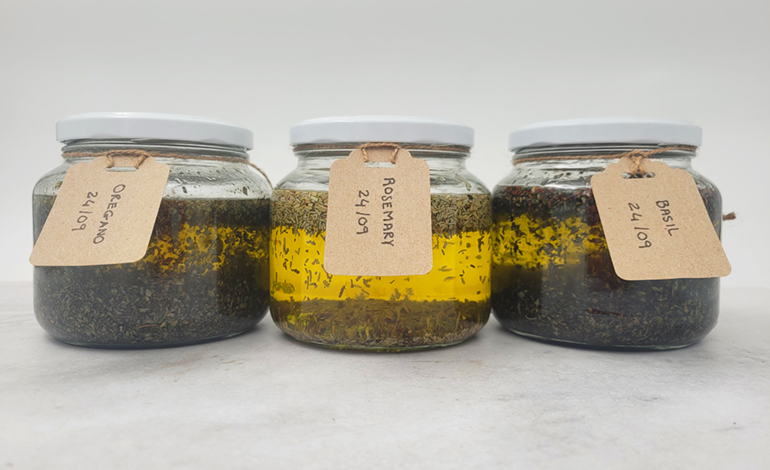
D.I.Y HERBAL OIL – COLD INFUSION METHOD
Equipment
- 1 500ml Glass jar Sterilised
Ingredients
- 1 30g Bottle dried herbs of choice Organic | Non- GMO | Non-Irradiated
- 1 500ml Bottle olive oil Organic | Extra Virgin | Cold-Pressed
Instructions
- Begin by pouring your bottle of dried organic herbs into your 500ml sterilised glass jar.
- Next, add 500ml of extra virgin cold-pressed organic olive oil over the herbs. Ensure to mix thoroughly, eliminating any air bubbles, and then seal the jar with a sterilised lid.
- Store the jar in a dark, cool cupboard for a duration of 3-6 weeks, allowing it to steep until you achieve your desired potency.
- Once your infusion time has elapsed, strain out the herbs using a fine sieve or cheesecloth; using cheesecloth is particularly beneficial as it allows you to squeeze out more herbal oil, maximising your yield.
- Finally, discard the used dried herbs and transfer your infused oil into a clean dark glass bottle for storage.
Notes
When infusing herbal oils, it is essential to allow sufficient time for the flavours and beneficial properties to develop fully. For culinary applications, we recommend a minimum infusion period of three weeks. This duration ensures that the herbs impart their distinctive tastes effectively. For those seeking medicinal benefits from their herbal oils, a longer infusion time is advisable; we suggest at least six weeks to maximise the extraction of therapeutic properties. It’s important not to exceed 8 to 10 weeks for the infusion period, as this may cause the oil to become rancid. TIP:
Remember to label and date your jar, and place it in a plastic packet to prevent any potential leaks damaging your shelf.
HOW TO USE YOUR HERBAL OIL INFUSION:
CULINARY USES:
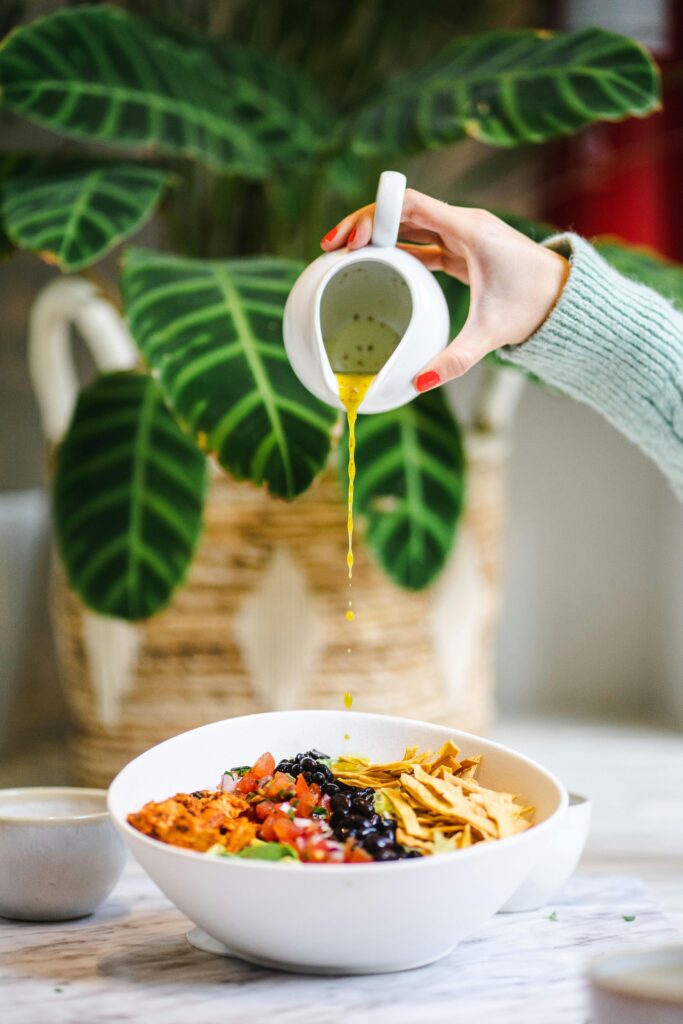
When utilising herbal oil infusions for culinary purposes, consider using them as a bases for homemade salad dressings or as a marinade for olives, artichokes, cooked beans & chickpeas. Drizzling them over your salads, roast vegtables & favourite meat and pasta dishes to experience an explosion of flavour!
NOTE: It’s important to remember that these oil infusions should only be used in their ‘cold’ state; cooking with them will compromise the beneficial active compounds that you have carefully extracted. Embrace the vibrant tastes and health benefits of your infused oils by incorporating them into your meals ‘raw’ without subjecting them to heat!
MEDICINAL USES:
Herbal oil infusions can serve various medicinal purposes, and they can be utilised in two primary ways. Firstly, the oil can be taken directly by swallowing it as a form of medicine. For adults, it is advisable to consume no more than 1 tablespoon of a strong infusion. In contrast, for children, the recommended dosage is up to ½ teaspoon for most herbs. Additionally, these infusions can also be incorporated into salves for topical application, providing another avenue for harnessing their therapeutic benefits. Always ensure that you consult with a healthcare professional before starting any new herbal treatment.
STORAGE:
When it comes to storing herbal oil infusions, it’s important to ensure their longevity. Typically, these infusions can last for about one to two years if kept in a dark, cool place. While refrigeration is an option for storage, it’s worth noting that this will cause the olive oil to solidify – so you will have to bring it to room temperature before using it. Therefore, for optimal preservation without compromising the consistency of the oil, a dark cupboard or pantry is recommended.
Enjoy the benefits…
References:
Herbal Reality | Rosemary
Herbal Reality | Oregano
Herbal Reality | Basil
Jane’s Delicious Herbs – Jane Griffiths – Sunbird Publishers 2012