
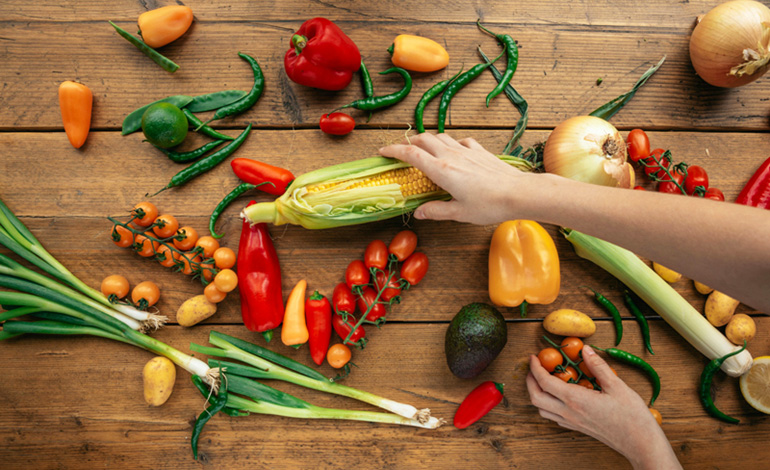


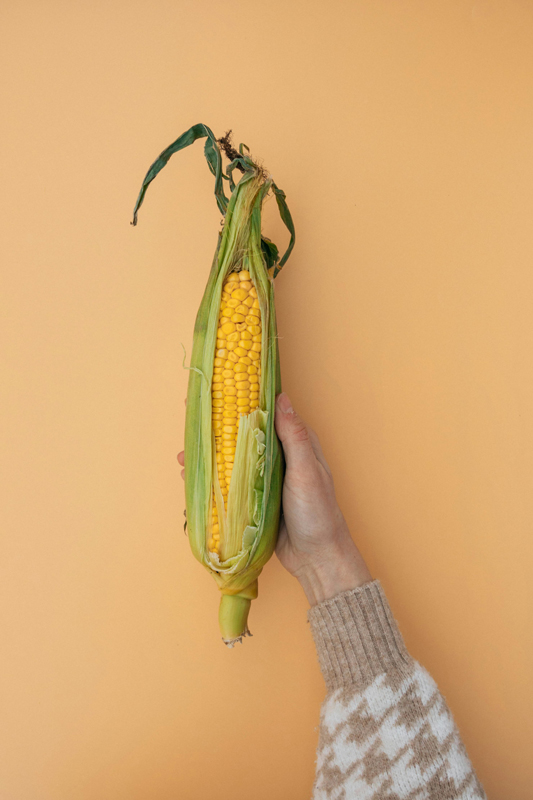
Corn, often called maize or mielies, is a cereal grain, a staple food in many cultures, and has been cultivated for thousands of years in the Americas. It is celebrated in many traditional festivities around the world, and it is also a popular summer food, often enjoyed at barbecues/braais and picnics.
But is corn good for you?
This blog post will debunk common myths about corn, break down the nutrition facts, and explore its health benefits and potential drawbacks. By the end, you’ll see whether corn deserves a place on your plate…
Common Myths About Corn:
While corn is a nutritious food, some common myths circulate online and in popular culture. Let’s take a look at some of these myths and debunk them.
MYTH 1: “Corn is not a good source of nutrients.”
Fact: Corn is a good source of complex carbohydrates, fibre, vitamins, and minerals, including vitamin C, thiamine (B1), and folate. It is also a good source of antioxidants like lutein and zeaxanthin, which are beneficial for eye health.
Explore: cornmeal-based recipes like cornbread, corn muffins, or polenta for a delicious and versatile meal addition.

MYTH 2: “Corn is a significant allergen.”
Fact: Corn allergy is rare, affecting only about 0.2% of the population. Symptoms of corn allergy can include hives, itching, swelling, and difficulty breathing.
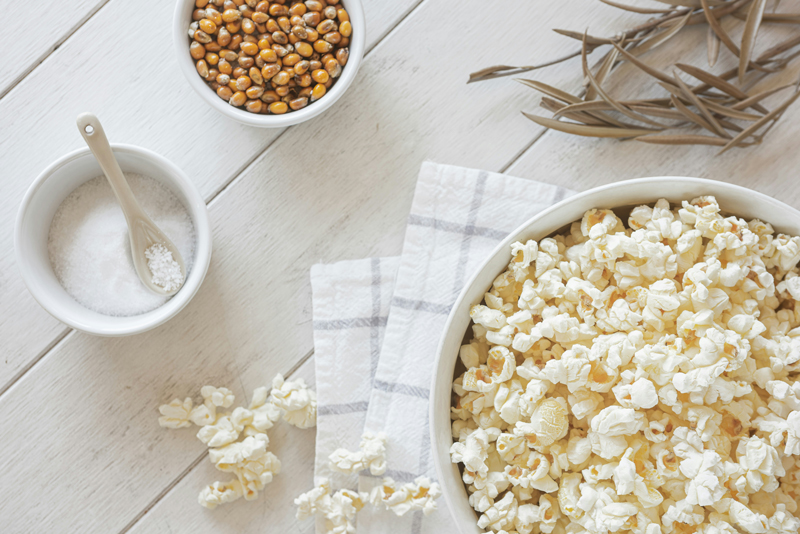
Enjoy: Make your own popcorn at home using plain non-GMO/organic kernels – popped with organic coconut oil and a sprinkle with your favourite sea salt or rock salt for a low calorie, high fibre healthy snack. Avoid adding excessive butter and/or artificial seasonings.
Side Note: Totally avoid all microwave popcorn products; not only are they loaded with bad hydrogenated fats, the packaging is coated with PFAs, a class of synthetic chemicals commonly used in food packaging. Popcorn manufacturers coat the insides of their popcorn bags with PFAs to prevent the artificial butter flavouring from leaking through and making a mess. But those same chemicals also leach into the popcorn, and into your body when you eat it. PFAs are know carcinogens (cancer forming substances). Since these chemicals take a while to break down, they can easily build up in your blood overtime. Scary stuff!
MYTH 3: “Corn is terrible for your blood sugar levels”
Fact: While corn is a starchy food and can cause a spike in blood sugar levels if eaten alone, it is essential to note that corn also contains fibre, which can help to slow down digestion and absorption of carbohydrates. Additionally, pairing corn with other foods high in protein and healthy fats can help stabilise blood sugar levels.
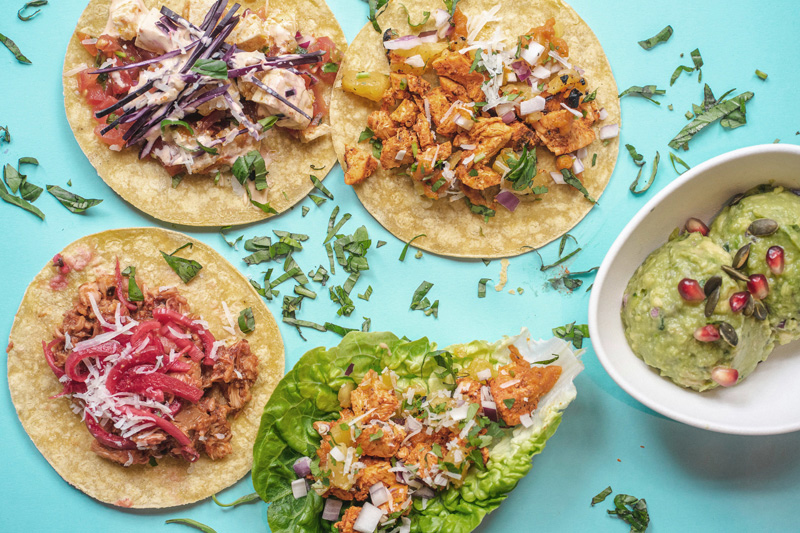
Enjoy: Corn with high-protein ground beef, shredded chicken and/or black beans, crunchy red cabbage, cilantro, raw red onion, tomato salsa, guacamole, green chilli, bursts of fresh fruit and lime juice!
MYTH 4: “Corn is a significant contributor to weight gain.”
Fact: While corn is a calorie-dense food, it is essential to note that all foods can contribute to weight gain if consumed in excess. However, no evidence suggests that corn is more likely to cause weight gain than other foods. If you are following a low-carbohydrate diet you would probably prefer to avoid corn, however, adding some quality carbohydrates from time to time has been known to boost your metabolism.
Enjoy: The natural sweetness of corn by boiling or grilling corn on the cob. Season it with a pinch of salt and a dab of butter for a classic treat or experiment!
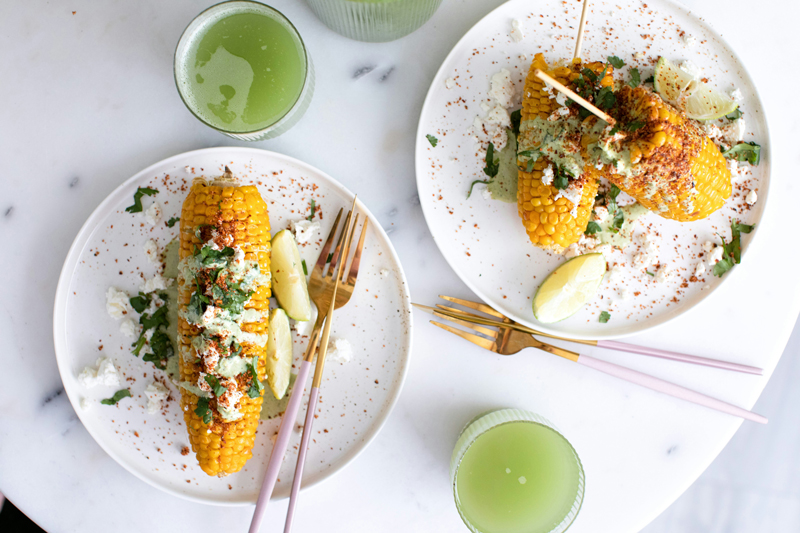
MYTH 5: “Corn is unhealthy because it is often processed.”
Fact: While it is true that some corn products are highly processed, such as corn syrup and cornstarch, there are also many healthy and unprocessed corn products available, such as whole corn kernels, cornmeal, and popcorn. When choosing corn products, it is essential to read the label carefully and look for products that are non-GMO, organic, low in added sugar and artificial seasonings.
The age-old traditional Mesoamerican processing techniques have been known to improve the digestibility and bioavailability of the nutrients in corn – so no not not all processing is bad. The corn is soaked in lime and then ground into masa using volcanic stones. The masa is shaped into triangles, these mini tortillas are baked or fried in organic coconut oil to make delicious corn chips.
Explore: Add fresh or grilled corn kernels to salsas, salads, platters and even pasta dishes for a yummy flavour and texture.
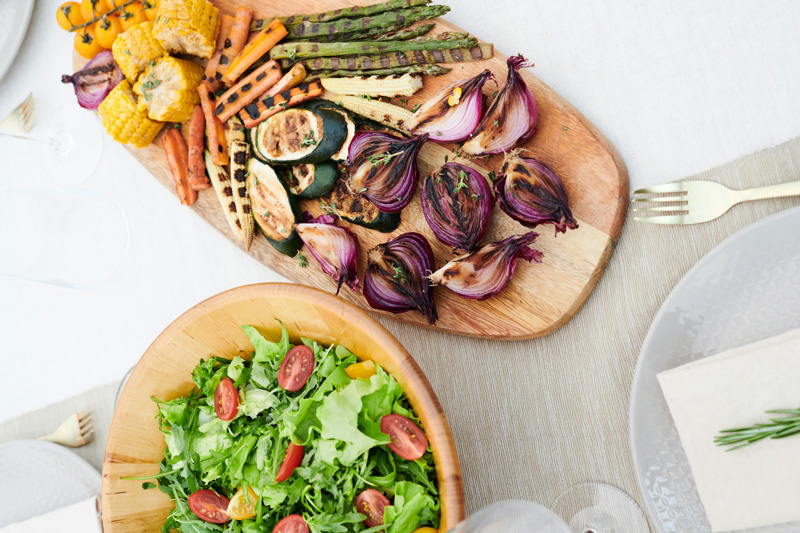
Corn is Packed With Essential Nutrients.
Here’s Seven Vital Benefits:
- Corn is rich in carbohydrates, providing you with energy. It’s a staple in many diets worldwide.
- Corn contains dietary fibre, which aids digestion and helps maintain healthy cholesterol levels.
- Corn boasts vitamins like B-complex (thiamine, niacin, folate) and vitamin C. These are essential for energy production and a strong immune system.
- It’s a good source of minerals like magnesium, phosphorus, and manganese, important for bone health and various bodily functions.
- Corn contains antioxidants like zeaxanthin and lutein, which promote eye health and reduce the risk of age-related eye conditions.
- Corn is naturally low in fat, making it a healthy choice for those watching their fat intake.
- Corn is moderately calorie-dense, so it’s filling without being too high in calories.

Six Potential Downsides to Consider When it Comes to Corn:
- While corn contains some protein, it’s not a primary source. Relying solely on corn for protein might lead to an insufficient intake of essential amino acids.
- Many processed corn products like commercially prepared corn chips, sugary cereals, and sweetened corn syrups are often laden with unhealthy additives, excessive salt, and added sugars. Consuming these regularly can contribute to health issues like obesity, high blood pressure, and dental problems. Opting for whole corn or minimally processed corn products is a healthier choice for your diet.
- A significant portion of commercially grown corn is genetically modified (GMO). It is strongly advised to opt for non-GMO/organic corn options due to potential health and environmental concerns.
- Corn has a relatively high glycemic index, which means it can cause rapid spikes in blood sugar levels. This can be problematic for people with diabetes or those trying to manage their blood sugar, however, this can be negated by combining corn with quality protein, fats and fibre from vegetables.
- Corn syrup, particularly high-fructose corn syrup (HFCS), is commonly used as a sweetener in many processed foods and sugary beverages. Excessive consumption of HFCS has been linked to health issues like obesity, type 2 diabetes, and heart disease. It’s essential to limit your intake of foods and drinks high in corn syrup to maintain a healthy diet.
- Corn contains significant levels of lectins. Lectins are defined as proteins that bind to carbohydrates. The same features that lectins use to defend plants in nature may cause problems during human digestion. They resist being broken down in the gut and are stable in acidic environments, features that protect lectin-containing plants in nature. When consumed, lectins in their active state can cause negative side effects.
It is important to remember that eating foods with a high number of active lectins is rare. One reason is that lectins are most potent in their raw state, and foods containing them are not typically eaten raw. Cooking, especially with wet high-heat methods like boiling or stewing, or soaking in water for several hours, can inactivate most lectins. Lectins are water-soluble and typically found on the outer surface of a food, so exposure to water removes them. It is strongly advised to not consume corn in its raw state but can comfortably be enjoyed by most in its cooked state.

So, is corn good for you?
Yes, natural organic corn, in and of itself, is a nutritious food that can be a valuable part of a balanced diet. It’s a good source of fibre, antioxidants, vitamins, and minerals and is naturally gluten-free.
However, it’s essential to avoid high-fructose corn syrup (HFCS), as it has been linked to several health problems, including obesity, type 2 diabetes, and heart disease.
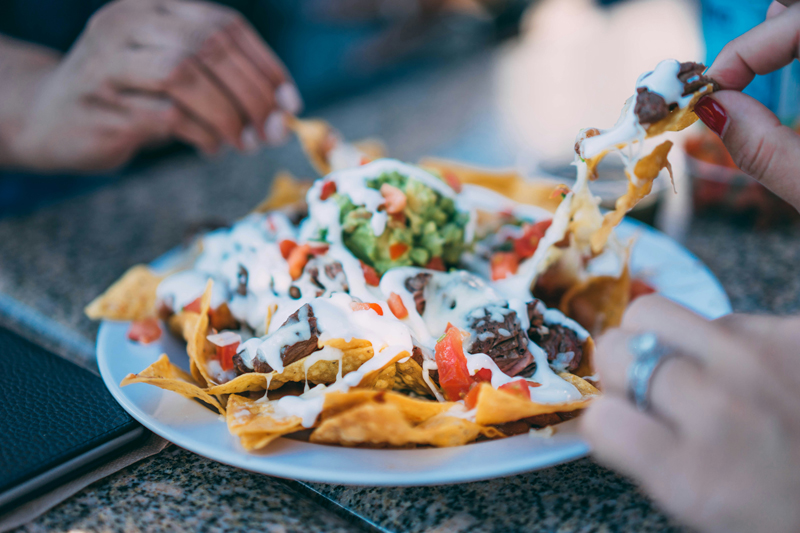
To maximise the nutritional benefits of corn, enjoy it in its less processed forms. For example, instead of eating canned corn or highly processed & seasoned corn-based snacks; try nachos, corn chips & tortillas prepared with traditional/artisanal methods, grilling corn on the cob or adding it to salads, soups, and stews.
Overall, non-GMO/organic corn is a healthy and delicious food that can be enjoyed in moderation as part of a balanced diet and it is best combined with other healthy sources of protein, fats and fibre.
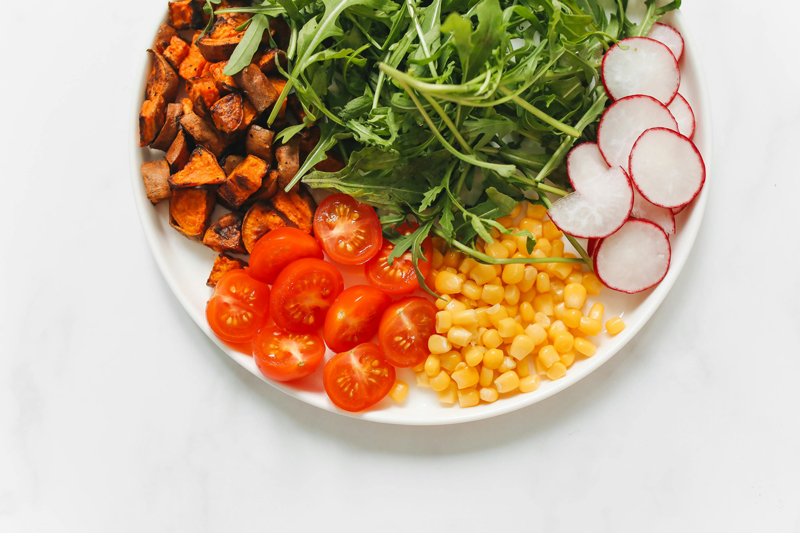
How do I know what corn products are safe to buy?
Read your labels!
Not all foods are grown or processed equally – quality and purity is everything when it comes to making the best informed choices for your health! It is imperative one starts being able to understand labelling in order to be able to avoid substances that have a negative impact on your body.

What corn products are NOT safe to buy?
Most commercial highly processed corn based snacks have little or no nutritional value and the additives pose many serious health risks.
Let’s take a look at an example of the ingredients in a popular commercial brand of corn chips:
Doritos Sweet Chilli Pepper Flavoured Corn Chips
INGREDIENTS: Maize (69%), vegetable oil (palm fruit and/or maize germ or sunflower seed) with antioxidant (TBHQ), sugar, hydrolysed vegetable protein (soya), acidity regulators (E262, E296), vegetables powders (onion, garlic), potassium chloride (E508), MSG flavour enhancer (E621), salt, yeast extract (barley gluten), spices (paprika, red pepper), anticaking agents (E551, E552), colourants [ E160(c), E110, E122], flavour enhancers (E631, E627), aspartame* [non-nutritive sweetener (E951)], flavourings.
*Contains phenylalanine. Contains soya, barley gluten. Contains genetically modified ingredients.
At a glance it is pretty obvious there is absolutely nothing healthy about this highly processed chemical laden product, but let’s take a closer look at some of these ingredients…
Seed oils: Seed oils are made by pressing the seeds using industrial processes of high temperatures, chemical hexane solvents &, and deodorizers. They tend to be high in linoleic acid, omega-6 fatty acids which increase inflammatory markers and signal compounds that promote weight gain and obesity. Seed oils are cheap, therefore are generally used for deep frying take-out foods and in the manufacturing of processed commercial foods. Seed oils have been found to release high amounts of aldehydes. Aldehydes are toxic compounds that can damage DNA and cells and thus contribute to conditions like heart disease and Alzheimer’s.
TBHQ (Tertiary Butylhydroquinone): is an additive to preserve processed foods. It acts as an antioxidant, but unlike the healthy antioxidants you find in fruits and vegetables, it had been linked to many serious health risks such as vision disturbances, liver enlargement, neurotoxic effects, convulsions, cancer, paralysis & tumours in laboratory animals tests and detrimental affects human behaviour, just to mention but a few!
Hydrolysed Vegetable Protein (soya): Hydrolyzed proteins is used as a flavour enhancer in food industries. It is a precursor to producing MSG. The chemical breakdown of hydrolyzed protein releases glutamic acid, which combines with sodium to form MSG. Since hydrolyzed protein is used in the preparation, the MSG is not listed in the ingredients on labels, even though these additives produce MSG. The adverse effects of hydrolyzed protein include anxiety, asthma, attention deficit syndrome, bloating, burning sensations, carpal tunnel syndrome, chest pains, depression, diarrhoea, confusion, dizziness, drowsiness, infertility, insomnia, and heart diseases.
Monosodium Glutamate (MSG): is one of the most widely used food-additives in commercial foods. Its application has increased over time and it is found in many different ingredients and processed foods obtainable in every market or grocery store. MSG gives a special aroma to processed foods which is known as umami in Japanese. This taste sensation is also called “savoury”. In many countries MSG goes by the name “China salt”. Beside its flavour enhancing effects, MSG has been associated with various forms of toxicity. MSG has been linked with obesity, metabolic disorders, Chinese Restaurant Syndrome, neurotoxic effects and detrimental effects on the reproductive organs.
Aspartame: is a non-nutritive sweetener introduced to replace the commonly used sucrose – being 180-200 times sweeter than sucrose. It is mainly used as a sweetener for soft drinks, confectionery, and medicines. Despite its widespread use, its safety remains controversial. Many studies have been conducted involving the impact of aspartame on obesity, diabetes mellitus, children and foetus development, autism, neurodegeneration, phenylketonuria, allergies and skin problems, its cancer forming properties and its genotoxicity.
Need I say anything more?

Looking for a quality, non-GMO, organic, seed oil free, corn snack on the South African market?
Look no further…
Santa Anna’s Organic Corn Chips are hand cut from their delicious tortillas, and fried in de-flavoured coconut oil – boasting what they like to call “the healthiest chip on the planet”. This versatile snack can be devoured on the go, as a hearty at home snack such as Nachos, or just paired with some saucy salsa and homemade guacamole – yum! The blended natural flavours and sustainable source make Santa Anna’s Organic Corn Chips a tasty snack that will leave your belly full and guilt free.
To unlock the nutrients in the corn, they soak it in calcium hydroxide, produced from natural limestone, which changes the structure of corn through the ancient Mesoamerican process of nixtamalization. They process the resulting nixtamal (corn cooked in lime water) the same way that it has been done for the last 4000 years; grind it with volcanic stones to produce masa (corn dough), turn the masa into tortillas, and hand-cut them before frying them into their golden corn chips. Their original organic corn chips are lightly seasoned with just Oryx Desert Salt and their newly launched tortilla corn chips have a diverse range of clean seasonings – packed with natural flavour without all the nasties!
XCHANGE
highly processed commercially grown corn for whole or minimally processed organic non-GMO corn.
Sources and Further Reading:
- Basaranoglu M, Basaranoglu G, Sabuncu T, Sentürk H. Fructose as a critical player in developing fatty liver disease. World J Gastroenterol. 2013 Feb 28;19(8):1166-72. doi: 10.3748/wjg.v19.i8.1166. PMID: 23482247; PMCID: PMC3587472.
- Abdel-Aal el-SM, Akhtar H, Zaheer K, Ali R. Dietary sources of lutein and zeaxanthin carotenoids and their role in eye health. Nutrients. 2013 Apr 9;5(4):1169-85. doi: 10.3390/nu5041169. PMID: 23571649; PMCID: PMC3705341.
- Ai Y, Jane JL. Macronutrients in Corn and Human Nutrition. Compr Rev Food Sci Food Saf. 2016 May;15(3):581-598. doi: 10.1111/1541-4337.12192. Epub 2016 Feb 11. PMID: 33401819.
- Johnson RJ, Nakagawa T, Sanchez-Lozada LG, Shafiu M, Sundaram S, Le M, Ishimoto T, Sautin YY, Lanaspa MA. Sugar, uric acid, and the etiology of diabetes and obesity. Diabetes. 2013 Oct;62(10):3307-15. doi: 10.2337/db12-1814. PMID: 24065788; PMCID: PMC3781481.
- Stanhope KL, Medici V, Bremer AA, Lee V, Lam HD, Nunez MV, Chen GX, Keim NL, Havel PJ. A dose-response study of consuming high-fructose corn syrup-sweetened beverages on lipid/lipoprotein risk factors for cardiovascular disease in young adults. Am J Clin Nutr. 2015 Jun;101(6):1144-54. doi: 10.3945/ajcn.114.100461. Epub 2015 Apr 22. PMID: 25904601; PMCID: PMC4441807.
- Roager HM, Vogt JK, Kristensen M, Hansen LBS, Ibrügger S, Mærkedahl RB, Bahl MI, Lind MV, Nielsen RL, Frøkiær H, Gøbel RJ, Landberg R, Ross AB, Brix S, Holck J, Meyer AS, Sparholt MH, Christensen AF, Carvalho V, Hartmann B, Holst JJ, Rumessen JJ, Linneberg A, Sicheritz-Pontén T, Dalgaard MD, Blennow A, Frandsen HL, Villas-Bôas S, Kristiansen K, Vestergaard H, Hansen T, Ekstrøm CT, Ritz C, Nielsen HB, Pedersen OB, Gupta R, Lauritzen L, Licht TR. The whole grain-rich diet reduces body weight and systemic low-grade inflammation without inducing major changes of the gut microbiome: a randomised cross-over trial. Gut. 2019 Jan;68(1):83-93. doi: 10.1136/gutjnl-2017-314786. Epub 2017 Nov 1. PMID: 29097438; PMCID: PMC6839833.
- Liu S, Willett WC, Manson JE, Hu FB, Rosner B, Colditz G. Relation between changes in intakes of dietary fiber and grain products and changes in weight and development of obesity among middle-aged women. Am J Clin Nutr. 2003 Nov;78(5):920-7. doi: 10.1093/ajcn/78.5.920. PMID: 14594777.
- Gwirtz JA, Garcia-Casal MN. Processing maize flour and corn meal food products. Ann N Y Acad Sci. 2014 Apr;1312(1):66-75. doi: 10.1111/nyas.12299. Epub 2013 Dec 11. PMID: 24329576; PMCID: PMC4260129.
- Li G, Liu W, Wang Y, Jia F, Wang Y, Ma Y, Gu R, Lu J. Functions and Applications of Bioactive Peptides From Corn Gluten Meal. Adv Food Nutr Res. 2019;87:1-41. doi: 10.1016/bs.afnr.2018.07.001. Epub 2018 Aug 31. PMID: 30678813.
- Higgins JA. Resistant starch and energy balance: impact on weight loss and maintenance. Crit Rev Food Sci Nutr. 2014;54(9):1158-66. doi: 10.1080/10408398.2011.629352. PMID: 24499148; PMCID: PMC4220782.
- Birt DF, Boylston T, Hendrich S, Jane JL, Hollis J, Li L, McClelland J, Moore S, Phillips GJ, Rowling M, Schalinske K, Scott MP, Whitley EM. Resistant starch: promise for improving human health. Adv Nutr. 2013 Nov 6;4(6):587-601. doi: 10.3945/an.113.004325. PMID: 24228189; PMCID: PMC3823506.
- Peumans WJ, Van Damme EJ. Lectins as plant defence proteins. Plant physiology. 1995 Oct;109(2):347.
- Petroski W, Minich DM. Is There Such a Thing as “Anti-Nutrients”? A Narrative Review of Perceived Problematic Plant Compounds. Nutrients. 2020 Oct;12(10):2929.
- CSPI’s Food Additive Safety Ratings https://www.cspinet.org/page/chemical-cuisine-food-additive-safety-ratings
- Flavouring and Colouring Agents: Health Risks and Potential Problems
- https://www.sciencedirect.com/topics/agricultural-and-biological-sciences/hydrolyzed-protein#:~:text=The%20adverse%20effects%20of%20hydrolyzed,diseases%20(Scopp%2C%201991).
- Extensive use of monosodium glutamate: A threat to public health? https://www.ncbi.nlm.nih.gov/pmc/articles/PMC5938543/
- Aspartame—True or False? Narrative Review of Safety Analysis of General Use in Products https://www.ncbi.nlm.nih.gov/pmc/articles/PMC8227014/
- PFAs https://www.niehs.nih.gov/health/topics/agents/pfc