

What’s Really on Your Plate? The Truth About Grass-Fed vs. Grain-Fed Meat
When it comes to choosing meat, the difference between grass-fed, pasture-raised and grain-fed, commercially farmed goes far beyond price. What the animal eats, how it’s raised, and the conditions it lives in directly impact the nutritional value, taste, fat composition, and even the long-term health effects of the meat you consume. In this blog, we’ll break down the key differences, exposing the hidden health risks of grain-fed, factory-farmed meat and highlighting why ethically raised, veld-reared beef is the superior choice. From antibiotic overload and metabolic syndrome in grain-fed animals to the omega-3 richness and clean protein of pasture-raised beef, we’ll unpack why choosing quality meat matters – for your health, your family, and the future of ethical farming.
In today’s world, where mass-farming dominates the meat industry, we often prioritise price and convenience over quality. Yet, when it comes to your health, the quality of your meat matters far more than you might realise. Switching to grass-fed, veld-raised, or pasture-raised beef isn’t just about flavour – it’s about choosing nutrient-dense, ethically sourced, and health-optimising food. Here’s why making the switch is essential for health conscious households.
Why Grass-Fed Meat is Superior
1. The Nutritional Edge
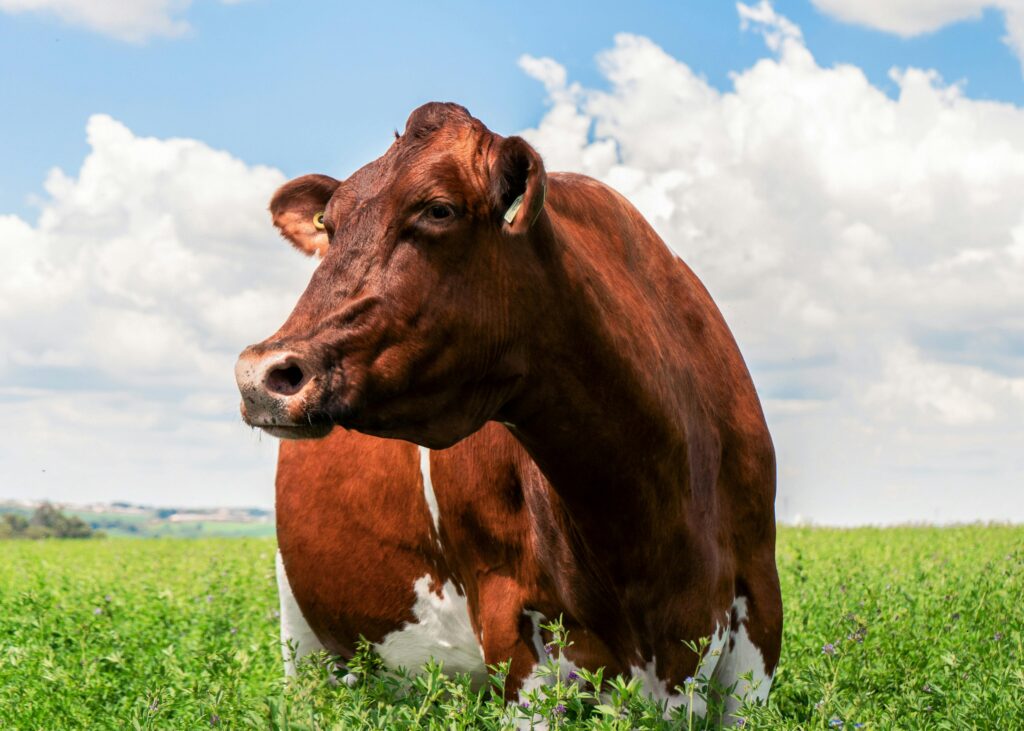
Grass-fed, veld-raised, and pasture-raised beef is one of the most nutrient-dense foods available. It is packed with highly bioavailable protein, meaning your body can easily digest, absorb, and utilise it for essential functions. Unlike plant-based proteins, which often lack certain amino acids, beef provides complete proteins, containing all nine essential amino acids in the right ratios for human health.
These high-quality proteins play a crucial role in building and repairing:
- Muscles & Tissues – Essential for muscle growth, repair, and maintenance, making it ideal for athletes, active individuals, and recovery from injury.
- Skin, Hair & Nails – Supports collagen production for healthy, youthful skin, strong nails, and thick, vibrant hair.
- Organs & Enzymes – Helps maintain the integrity and function of vital organs while also forming the enzymes needed for digestion and metabolism.
- Hormones & Immune System – Provides the building blocks for hormones that regulate metabolism, energy, and mood, while also strengthening the immune system.
- Brain Function & Neurotransmitters – Fuels cognitive function, memory, and mental clarity by supplying amino acids that form neurotransmitters like dopamine and serotonin.
Because it is pasture-raised, this beef also contains superior levels of omega-3 fatty acids, conjugated linoleic acid (CLA) (linked to fat metabolism and immune health), and higher concentrations of vitamins and minerals like iron, zinc, and B vitamins – essential for energy, endurance, and overall well-being.
2. The GMO Problem
In South Africa, commercial cattle are fed genetically modified grains that are heavily sprayed with pesticides. This means the meat is a concentrated source of these harmful chemicals. Whatever the cow eats in its lifetime ends up in your body.
How Pesticides Harm You:
- Hormonal Disruption: Pesticides can interfere with your body’s endocrine system, leading to weight gain, fertility issues, and metabolic disorders.
- Neurological Damage: Long-term exposure has been linked to memory loss, depression, and nerve damage.
- Carcinogenic Risks: Studies have found strong links between pesticide residues and increased cancer risk.
3. Grain-Fed Cattle: Sick and Over Medicated
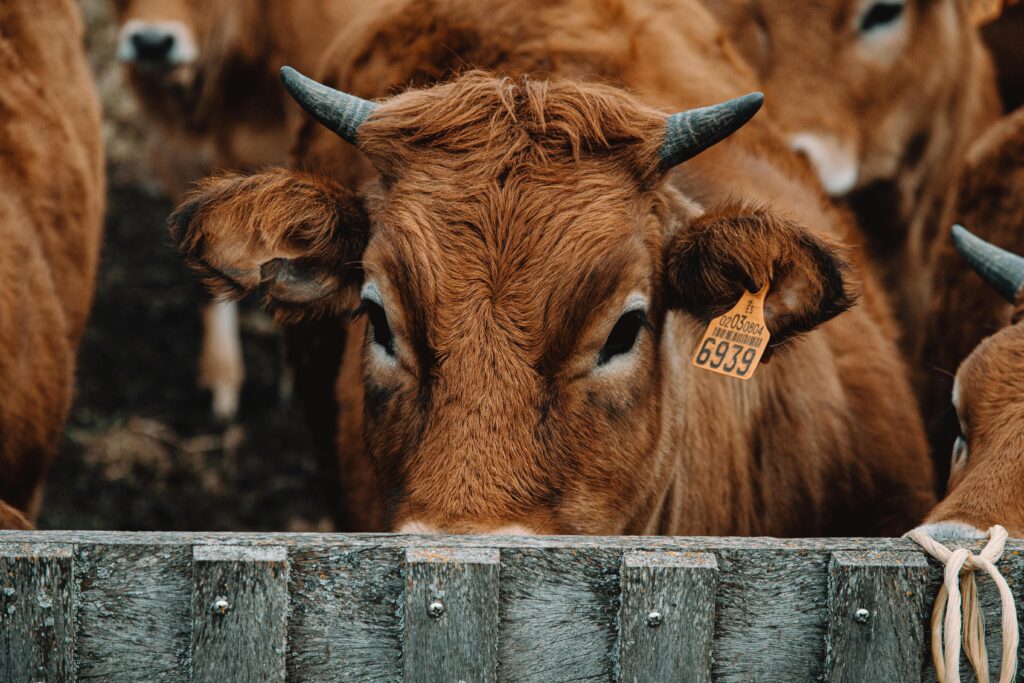
Cows are designed by God to graze on grass – not grains. Feeding them a grain-based diet makes them prone to illness, as their digestive systems are not adapted to handle it. By the time they are slaughtered, most grain-fed cattle are sickly and pumped full of antibiotics.
How This Affects You:
The routine antibiotics given to commercial cattle directly harm your gut health, disrupting the balance of beneficial bacteria. Poor gut health contributes to weakened immunity, inflammation, and chronic illnesses such as autoimmune diseases and obesity.
The South African Context: Ethical, Clean Alternatives
Venison: A Wild Alternative
Venison (springbok, kudu, impala) is a lean, nutrient-dense alternative to beef. South Africa’s free-roaming venison is naturally grass-fed and free from antibiotics, hormones, and GMOs.
- Fat Profile: Very low in fat, with a favourable omega-3 to omega-6 ratio.
- Flavour: Rich, earthy, and slightly “wild.”
- Texture: Often tougher due to the animal’s active lifestyle, so it benefits from slow cooking or marination.
- Best Uses: Ideal for stews, biltong, or slow-roasted cuts.
Other Ethically Raised Meats
- Pasture-Raised Pork, Lamb, and Chicken: These options offer superior flavour, nutritional benefits, and a more humane farming approach. Look for free-range or pasture-raised labels.
- Wild-Caught Fish: Opt for local, wild-caught fish like snoek or yellowtail, which are naturally leaner and free from harmful antibiotics and chemicals found in farmed fish.
Grass-Fed Beef: A Natural Superfood
Natural Colour , Smell & Taste
When you open a pack of grass-fed, veld-raised, or pasture-raised beef, you’ll notice some key differences compared to conventional grain-fed meat.
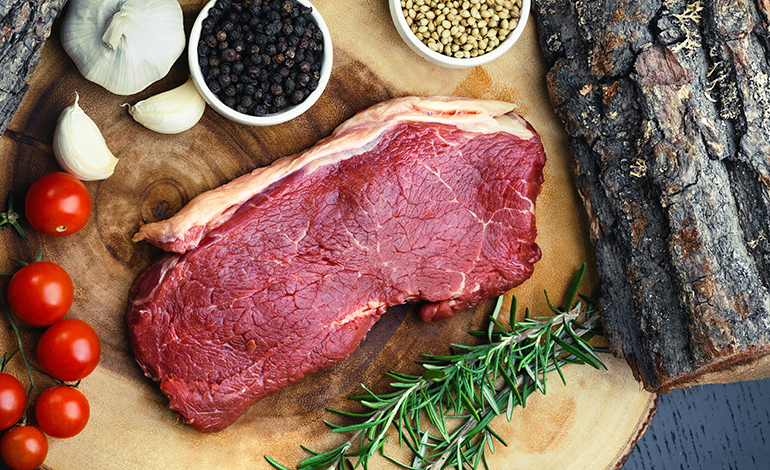
🥩Colour: The meat will have a deeper, more natural reddish to purplish hue, especially if vacuum-sealed, as the absence of artificial colourants allows it to oxidise naturally. Unlike grain-fed beef, which often appears unnaturally bright red due to carbon monoxide gas treatments and dyes, grass-fed beef reflects true freshness and purity.
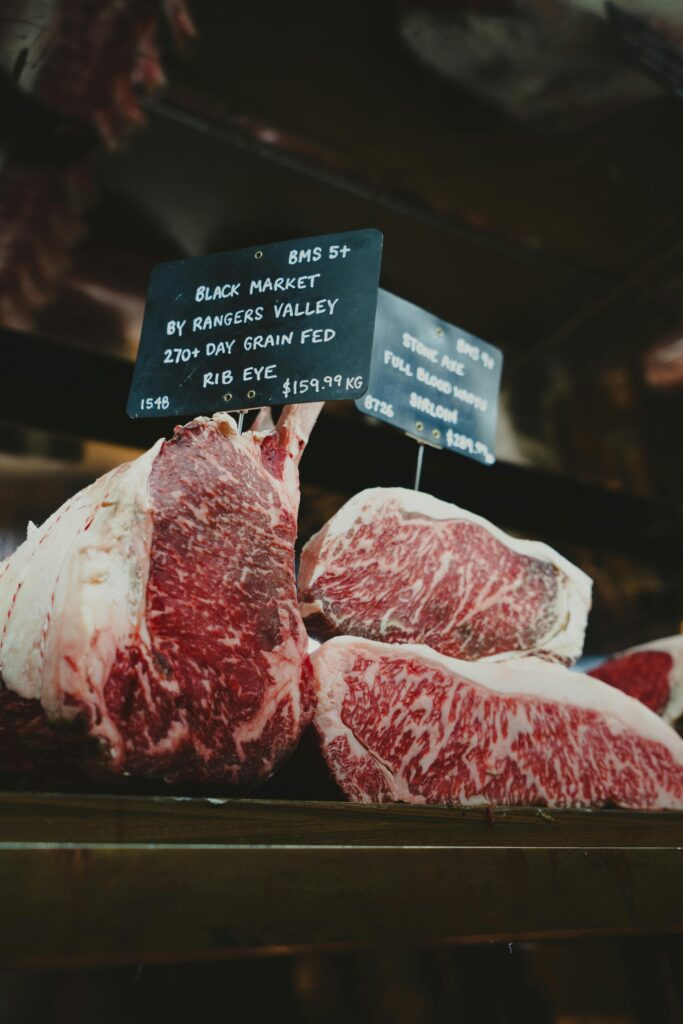
🥩 Fat & Marbling: Grass-fed beef is noticeably leaner, with less marbling (intramuscular fat). While chefs often praise the rich marbling of grain-fed beef, it is actually a sign of metabolic syndrome in the animal – the same condition that occurs in humans when consuming excessive refined grains and sugars. When cattle are forced onto an unnatural grain-heavy diet, their muscle fills with unhealthy fat, much like how poor diet choices lead to fat accumulation in human muscle.
In contrast, pasture-raised beef builds strong, lean muscle, producing cleaner, healthier fat in the form of firm, yellowish external fat, rich in omega-3s and CLA (conjugated linoleic acid). This yellow hue comes from beta-carotene, a precursor to vitamin A, which is abundant in fresh green grass.
On the other hand, grain-fed meat tends to have stark white fat, indicating a lower vitamin content and a less nutritious fat profile. This visual difference is a direct reflection of the animal’s diet—nutrient-dense, natural forage vs. grain-based, industrial feed.
🥩 Smell: Expect a stronger, wilder, more natural “beefy” aroma. Because grass-fed meat isn’t chemically treated to suppress its natural scent, it has a rich, earthy smell – a true reflection of the nutrient-rich pasture diet the animal consumed. Conventional beef is often sprayed with preservatives and chemical washes like sodium nitrite or phosphate solutions to neutralise odours, but real meat has real smell.
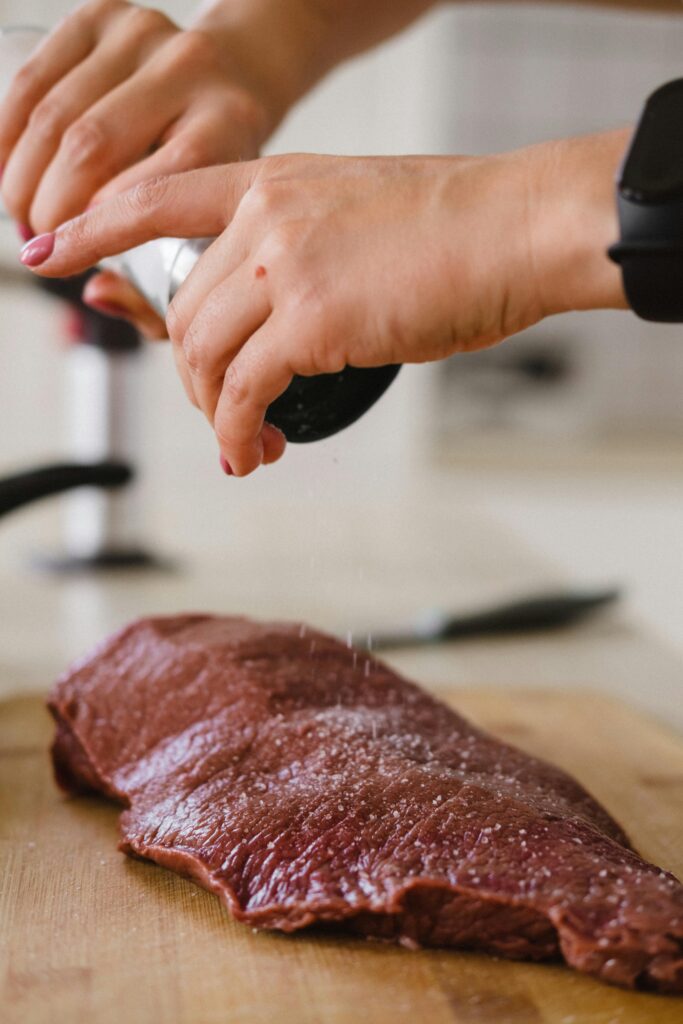
🥩 Taste & Texture: The flavour of grass-fed beef is bolder, meatier, and more robust than grain-fed beef, which tends to be milder and fattier. This is because the animal’s diet directly influences the flavour compounds in the meat. Expect a firmer texture, as grass-fed cattle develop denser, more structured muscle fibres from natural movement and foraging. While some may initially find it “tougher” than grain-fed beef, proper cooking techniques like slow braising, marinating, and resting after cooking will enhance tenderness and highlight its natural, complex taste.
Beef Cuts: From Budget-Friendly to Premium
Understanding the different cuts of beef can help you make smarter choices while shopping:
- Budget-Friendly Cuts:
- Chuck, Brisket, and Shank: Affordable and flavourful but require slow cooking to tenderise. Best for stews, curries, or braising.
- Ground Beef: Versatile and economical. Ideal for mince dishes or burgers.
- Mid-Range Cuts:
- Rump and Sirloin: Leaner with a mild flavour. Perfect for grilling or pan-searing.
- Short Ribs: Rich and marbled. Excellent for slow roasting or BBQ.
- Premium Cuts:
- Fillet (Tenderloin): The most tender cut, low in fat. Ideal for steak lovers.
- Ribeye: Marbled with fat for superior juiciness. Best for grilling or searing.
- T-bone: Combines the fillet and sirloin, offering the best of both worlds.
Grass-fed beef is naturally leaner, so adjust cooking methods accordingly. Use lower heat, add moisture (e.g., broth or marinade), and avoid overcooking.
The Price of Quality Meat: An Investment in Your Health
Meat is not just food – it’s fuel. Grass-fed, veld-raised beef delivers clean protein, essential fatty acids, and bioavailable nutrients your body needs to thrive. It’s free of harmful additives, chemicals, and antibiotics, making it a superfood for optimal health, longevity, and performance.
Small, ethical farms cannot compete with the mass-farming practices of large commercial operations, which prioritise profit over health, animal welfare, and environmental sustainability. The use of harmful shortcuts, as outlined above, enables mass producers to sell meat at a lower price per kilogram. However, the cost of quality grass-fed, veld-raised, or pasture-raised meat reflects the care, time, and resources needed to raise healthy animals naturally. Yes, quality meat may be more expensive, but if you want to prioritise your health, you must recognise that quality comes at a price.
I would rather pay an ethical farmer their well-earned dues than a medical doctor for endless prescriptions. It’s all about getting our priorities straight. When you eliminate ultra-processed junk foods, sugary drinks, and chemical-laden treats – which are surprisingly expensive – you will find your budget opens up for clean, whole foods that truly nourish, energise, and preserve your body.
Ask yourself: What is the price of your health? Investing in ethically sourced, nutrient-rich meat is not a luxury – it’s a vital step in protecting your body, promoting longevity, and living a life of vitality. Make the switch, because your health is worth every cent.
Take the First Step Towards Cleaner Eating
In South Africa, we are privileged to have access to high-quality, veld-raised beef and wild game. By choosing grass-fed, pasture-raised meat, you’re not only improving your health but also supporting ethical farming practices and environmental sustainability.
Your health begins with what’s on your plate. Choose clean, nutrient-rich meat today – it’s a decision your body will thank you for.
In our commitment to sourcing the highest quality foods to fuel our bodies and make them accessible to our community, we are thrilled to announce a strategic partnership with Tinderbox Farms, an ethical farm nestled in Tonteldoos, Dullstroom, Mpumalanga.
Tinderbox Farms specialises in veld-raised beef, free-range beef, and pasture-raised chickens and eggs, producing exceptional, nutrient-dense, fresh food – free from hormones, antibiotics, and all the nasties found in commercial farming. This means you get clean, real food that nourishes your body the way nature intended.
This service is exclusively available to our local Witbank community. If you’d like to be part of our “Healthy Meat” WhatsApp Broadcast Group, where we share updates and take orders, save our number +27 67 461 2737 to your phone and send us a WhatsApp requesting to join.
For those outside Witbank, Tinderbox Farms’ products are available at selected retailers in Johannesburg and Pretoria. Let’s make quality, ethical food the standard for our tables!
🥩🥚🐔🐑🐖