

Unveiling The Hidden Health Hazards
In our fast-paced modern society, the microwave has become a symbol of convenience. However, beneath its promise of quick heating lies a range of potential dangers. Emerging research and re-examination of older studies suggest that the microwave may not only alter food on a nutritional level but also disrupt the food’s very molecular integrity. In this blog, we explore the science behind microwave technology, its impact on food quality and human health, and how alternatives can promote both nourishment and wellbeing.

1. The Science Behind Microwave Technology
Microwaves work by emitting electromagnetic radiation at a frequency that causes water molecules in food to vibrate rapidly. This oscillation generates heat – but it is far from a gentle process. The rapid movement of molecules does not allow for a gradual, even distribution of energy, leading to localized “hot spots” and an overall violent thermal effect on the food’s internal structures.
- Molecular Chaos:
Every element and compound vibrates at its own unique frequency. When food is microwaved, the forceful oscillations disrupt natural hydrogen bonds, particularly in proteins. This phenomenon can alter the protein’s three-dimensional structure – a process known as denaturation – rendering these proteins unrecognizable to our bodies and potentially triggering immune responses. - Radiation Considerations:
Although the microwave’s radiation emission is considered low compared to other sources of EMFs in our environment, it is still accumulative. A reduction in overall electromagnetic exposure is wise, especially when considering cumulative effects on biological tissues over time.
2. Nutrient Loss and Protein Denaturation
Nutritional Degradation
No cooking method is entirely benign when it comes to nutrient preservation, but multiple studies have shown that microwaving foods can rapidly diminish their antioxidant and vitamin levels. In contrast to slower cooking methods that allow a natural progression of chemical reactions, the rapid heating of microwaves may literally “destroy” delicate nutrients in moments:
- Garlic and Alliinase Loss:
Garlic’s potent anticancer properties, for example, rely on the enzyme alliinase. Microwaving garlic for just 60 seconds can deplete this enzyme 100%, stripping garlic of its renowned healing potential. - Broccoli’s Antioxidants:
When steamed, broccoli loses about 11% of its antioxidants, whereas microwaving can lead to a catastrophic loss – up to 97%. Such degradation diminishes the food’s ability to counter free radicals and oxidative stress. - B Vitamins and Vitamin C:
Microwaving can result in a 35 – 40% loss of B vitamins. Similarly, foods rich in vitamin C, such as asparagus, are particularly sensitive to the harsh microwave environment, leading to their rapid destruction.
Protein Denaturation and Immune Distress
Proteins, the building blocks of many biological functions, undergo significant structural changes when exposed to intense microwave energy. The violent oscillations disrupt hydrogen bonds and cause denaturation, meaning that the proteins lose their natural conformation and functionality.
You need only cook chicken in the microwave to experience this first-hand—the taste, texture, and flavour become distinctly different and often unpleasant. What you’re noticing is the result of protein structures being altered in a way your body and senses were not designed to recognise or receive.
- Enzyme Recognition Disruption:
Denatured proteins may no longer interact correctly with our body’s enzymes and receptors. Enzymes are highly specific to the shape and vibrational energy of proteins; when this configuration is lost, the body may flag these altered proteins as foreign invaders, potentially triggering an immune response. This confusion in recognition can lay the foundation for inflammatory reactions or autoimmune activity over time.
- Redox Imbalance:
Some studies have gone as far as showing altered redox states in blood following the consumption of microwaved food. The term “redox” refers to the balance between oxidation (loss of electrons) and reduction (gain of electrons) processes in cells, which are critical for maintaining metabolic health. Disruption here can imply heightened oxidative stress and immune distress, weakening the body’s resilience and increasing its vulnerability to disease.
3. Microwave Plastics and Microplastic Contamination
Even as the microwave heats food, there is another insidious risk: the leaching of chemicals from plastic containers labeled “microwave safe.”
- Chemicals in Your Food:
The term “microwave safe” simply means that the plastic will not melt or cause burns. It does not imply that no chemicals will leach into your food. Studies have indicated that up to 44 different chemicals can be transferred from plastics to food during microwaving, each with potential long-term toxicological effects. - Microplastic Contamination:
The breakdown of plastics into microscopic particles exacerbates the issue, as these particles can further contaminate food and the human body. Chronic exposure to microplastics has been linked to systemic inflammation and other metabolic disturbances.
4. Electromagnetic Radiation and Cumulative Exposure
Though the radiation from microwaves is low, it is part of the broad electromagnetic spectrum we encounter daily. Combined with other sources of EMFs – from cell phones to Wi-Fi – the additional exposure from microwaves might contribute cumulatively to cellular stress. Some research highlights that:
- Increased Risk of Eye Damage:
Children are particularly vulnerable because of their lower eye level; they are more likely to stand close to the microwave during its operation. Evidence suggests that prolonged exposure – even to low-level microwave radiation – may contribute to eye damage and early cataract formation. - Historical Cautions:
In the 1970s, Soviet scientists conducted research which raised significant concerns about the health implications of microwave exposure. Their findings were so disturbing that by 1976, there were reports claiming Russia banned the consumer use of microwaves – a dramatic precaution that has since faded from public memory but remains a point of caution when evaluating long-term risks.
5. The Vibrational Perspective and Energetic Incoherence
Every substance vibrates at a specific, unique frequency. When food is cooked slowly (by boiling, steaming, or baking), the natural progression of chemical reactions allows the food’s constituents to bond in a harmonious manner. By contrast, the intense, oscillatory energy in a microwave fundamentally alters these frequencies:
- Chemical Chaos:
Microwaving disrupts the natural vibrational patterns, causing proteins and other molecules to become “energetically incoherent.” In practical terms, this means that the food no longer carries the natural vibrational energy that our bodies recognize and utilize for healing. - Consequences of Field Disruption:
Our bodies are finely tuned to work with foods that maintain their original, coherent energetic states. When food is altered at a molecular level, the immune system may interpret it as a foreign substance, thereby igniting an inflammatory response. This effect, combined with the loss of nutritional value, transforms what should be a source of healing into a potential stressor for the body.
6. Practical Considerations and Healthier Alternatives
The convenience of microwave cooking has ingrained a “quick fix” culture in our lives. Yet, as science increasingly reveals the hidden costs of this convenience, it becomes clear that taking a few extra minutes to heat food by more traditional means is a wise investment in long-term health. Consider these alternatives:
- Steam or Boil:
Using a pot with a little water or a steamer preserves nutrients more effectively. - Bake or Convection Oven:
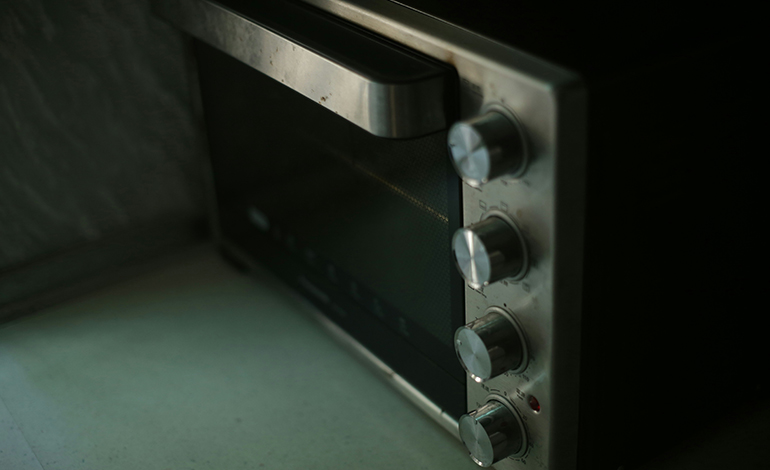
These methods may take longer, but they facilitate a gentler chemical reaction and better nutrient retention. - Airfryer or Toaster Oven:
Modern technology offers several solutions that balance speed with nutritional preservation.
By rethinking our cooking practices, we can transform mealtimes into acts of care, mindfulness, and nourishment – cultivating not only better physical health but also a slower, more intentional lifestyle. As with many health-related habits, the key is in shifting one’s mindset from a focus on speed to a commitment to quality and vitality.
7. The Hidden Dangers of Altering Water Structure
A less-discussed but equally concerning aspect of microwave cooking involves how microwaves affect water itself. Not only do these appliances alter food molecules and nutrients, but they also disrupt the natural clustering and molecular organization of water. Properly structured water plays a critical role in maintaining the integrity of food, supporting efficient nutrient absorption and even promoting hydration at the cellular level.
A striking example of the consequences of altered water structure comes from a viral experiment performed by a group of resourceful kids. In this test, two identical sets of water were prepared: one was heated in a conventional way (by boiling), and the other was heated in a microwave. Both sets of water reached similar temperatures, yet when used to water plants, the outcomes were drastically different. By day 7, the plant receiving the microwave-heated water had withered and died, while the plant nourished with traditionally boiled water continued to thrive.
Researchers suggest that the microwaving process breaks up the natural clusters of water molecules. This alteration can fundamentally change the energetic properties of the water, impairing its ability to support the chemical reactions vital for plant growth and nutrient assimilation. When water’s molecular integrity is compromised, its “life-giving” properties are diminished. For plants, which rely on water not only for hydration but also as a solvent carrying essential nutrients, even subtle changes in the water’s structure can lead to severe physiological stress and eventually, plant death.
This example offers a tangible demonstration of how microwaving does more than just heat food – it can disrupt the very substance that is foundational to life. It underscores the broader argument: our food and water need to maintain their natural, harmonious state to truly nourish and heal us. When we opt for methods that preserve nature’s design, we support not just our health but also the elegant balance that nature provides.
8. Make Informed Choices to Protect & Preserve Your Health
What Leading Health Advocates Have to Say About Microwaving Your Food
1. Dr. Joseph Mercola
(A highly respected American osteopathic physician and alternative medicine proponent)
“Microwaving destroys and deforms food molecules and creates new compounds, called radiolytic compounds, which are not found in nature.”
— From Mercola.com article on microwave hazards
2. Dr. Hans Hertel
(Swiss scientist and food researcher, known for the first study on microwave food)
“The food cooked in the microwave caused changes in the blood of the test participants. These changes were similar to those seen in the initial stages of cancer.”
— From the Swiss Clinical Study on microwave cooking, 1991
3. Dr. Lita Lee, Ph.D.
(Chemist and enzyme therapy specialist)
“Microwaving baby formulas converted certain trans-amino acids into their synthetic isomers (cis-forms), which are not biologically active. Synthetic isomers, whether cis-amino acids or trans-fatty acids, are not beneficial to the human body.”
— From her book: Health Effects of Microwave Radiation
4. Barbara O’Neill
(Naturopath and health educator)
“If the structure of the food has changed, your body no longer recognises it. Instead of nourishing, it can become toxic. Microwaving food has the potential to do just that.”
— From her health seminars and lectures on natural living
5. Dr. Russell Blaylock
(Neurosurgeon and nutritionist)
“Heating food in a microwave, especially in plastic, can lead to chemical leaching that disrupts hormones and contributes to long-term degenerative diseases.”
— From public health interviews and publications on toxic food exposure
7. Dr. Axe (Dr. Josh Axe, DNM, DC, CNS)
(A doctor of chiropractic, certified doctor of natural medicine, and clinical nutritionist who promotes alternative health practices)
“Microwaves change the chemical structure of food. This alters the way your body processes it — affecting digestion, nutrient absorption, and long-term health.”
— From articles on DrAxe.com regarding food preparation
7. Dr. Don Colbert
(A board-certified family practice physician and anti-aging medicine specialist, known for creating the Divine Health Supplement line and authoring over 50 New York Times best-selling health books)
“Why would you take God-made, nutrient-rich food and destroy it in a man-made box that blasts it with radiation and strips away its life-giving value?”
— From his book: The Seven Pillars of Health
If the concerns raised so far haven’t swayed your thinking, the broader implications of microwave use might. Studies and observational data reveal disturbing biological effects – not just from consuming microwaved food, but even from exposure to the electromagnetic field it generates. Evidence points to weakened cellular energy, disrupted metabolism, and destabilised electrical impulses in the brain and nervous system. There are documented signs of hormonal imbalance, altered brainwave activity, and increased psychological disturbances, including impaired memory and concentration. On the food side, as already discussed, microwaving has been shown to degrade essential vitamins render certain meat proteins useless, and even generate carcinogenic compounds in everyday foods like meats, cereals, milk, and root vegetables. These chemical transformations not only reduce food’s nutritional value but can also introduce harmful free radicals and toxic residues. Shockingly, microwaved foods have demonstrated a higher affinity for environmental radioactivity, effectively drawing in additional radiation. Altogether, it’s not simply a question of “nutrients lost” but rather one of “integrity destroyed” – physically, chemically, and energetically. The risks may not be instant, but their cumulative impact over time demands a serious rethink.
The body of evidence suggests that routine microwaving poses multiple risks: from nutrient degradation and protein denaturation to chemical contamination from plastics and cumulative electromagnetic exposure. Although using a microwave occasionally is unlikely to cause immediate harm, the chronic use of this device may contribute to systemic health challenges by transforming nourishment into what could be considered “unrecognizable” food – a substance that our bodies must fight off rather than enjoy and utilise.
If you truly value your health and the well-being of those you care for, it may be time to re-evaluate that convenience. A slightly longer cooking process not only preserves the nutritional integrity and vibrational energy of food but also reinforces the act of taking care – of our bodies and our lives. It is not about perfection; it is about making informed choices that promote long-term health, vitality, and healing.
If you pause and look at the statistics of human health over the last 50 years, the decline is alarming, to say the least. This is despite the so-called advancements in medical technology such as robotic surgeries, gene therapy, and precision medicine. And yet, chronic disease rates continue to skyrocket. While we cannot pin this down to one single cause, we can rightly deduce that it is the cumulative effect of multiple unnatural, altered factors and technologies simultaneously bombarding the human body. The microwave is certainly one of many culprits – so why continue along this path?
Do you really need a 100% conclusive scientific study to prompt a simple change in your kitchen habits? Common sense and logic go a long way. The very nature of microwave heating, which alters the chemistry and structure of your food, should serve as a red flag. Food that has been distorted by such unnatural processes can no longer be considered the way God created it. It is inferior. Man does not know better than God. Develop the fruit of patience, take a little more time to reheat your food using traditional methods, and know you’re making a conscious, life-affirming choice. Let it be one more step in honouring the temple you’ve been given.

References
- Zhang, D., & Hamauzu, Y. (2004). Phenolic compounds and their antioxidant properties in different tissues of carrots (Daucus carota L.). Demonstrates how food composition and preparation methods influence antioxidant capacity.
PubMed - Routray, W., & Orsat, V. (2012). Review of microwave-assisted extraction of flavonoids. Highlights how microwave energy alters food chemistry and bioavailability of nutrients.
Taylor & Francis Online - Blank, I. et al. (1990). Formation of odor-active pyrolysis products from food. Explores chemical transformations caused by heat processes like microwaving.
ACS Publications - Cheng, J., et al. (2016). Microwave sterilisation significantly alters food proteins and may increase allergenicity. Points to possible unintended immune responses due to microwave exposure.
Wiley Online Library - Lee, S. K., & Kader, A. A. (2000). Examines vitamin C loss during storage and heating methods, including microwave exposure. Shows vitamin degradation can occur faster via microwave cooking.
ScienceDirect - Sultana, B. et al. (2012). Effects of different cooking methods on antioxidant properties in vegetables. Microwaving reduced antioxidants more significantly than other methods.
PubMed Central - Wang, S., et al. (2017). An in-depth analysis of how microwave heating changes the structural properties of proteins in food, affecting digestibility and nutritional value.
ScienceDirect - Institute of Food Technologists (IFT) (2015). Summary of science-based perspectives on microwave nutrient loss, offering a balanced view on safety and degradation.
IFT.org - Mercola, J. (2010). Overview of microwave-related hazards and the disconnect between mainstream assurances and emerging independent concerns.
Mercola.com
- Doctors Beyond Medicine. A summary of the research of Microwaves from a science-based/ functional medical perspective
doctorsbeyondmedicine.com